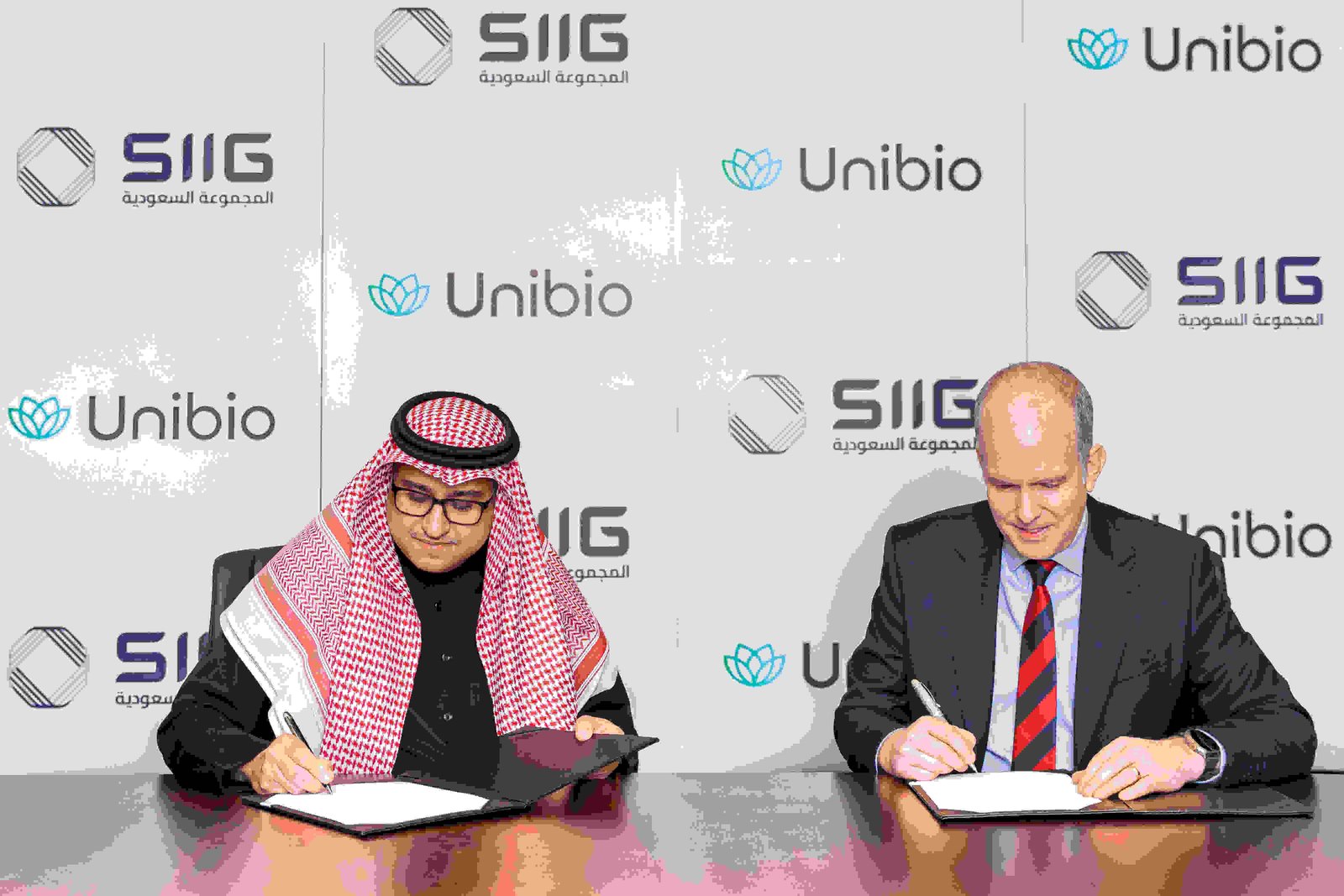
Saudi Industrial Investment Group (SIIG) and biofermentation company Unibio International PLC are joining forces to build what they describe as the world’s largest single-cell protein plant in Saudi Arabia, marking a major push to develop domestic alternative feed production and strengthen food security. The partners will develop the facility through an 80:20 joint venture between SIIG and Unibio. The plant, to be located in Al Jubail, will initially produce 50,000 tonnes of Uniprotein annually, with plans to scale capacity beyond 300,000 tonnes in the coming years.
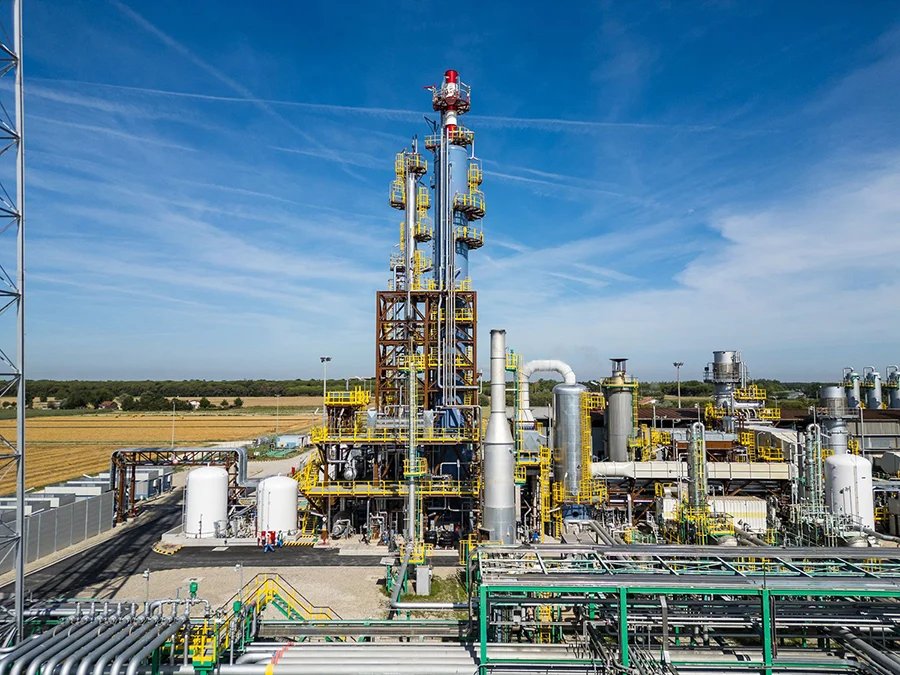
The project builds on SIIG’s $70 million investment in Unibio in 2023. Since then, the companies have advanced preparations for commercial-scale production using Unibio’s patented vertical loop bioreactor technology, which uses natural gas as a feedstock to produce single-cell protein through continuous-flow fermentation. For Saudi Arabia, the project aligns with the Kingdom’s broader efforts under Vision 2030 to diversify its industrial base and develop new technology-driven sectors. The availability of natural gas also provides the feedstock base for Unibio’s fermentation technology, allowing the project to convert methane into a protein ingredient for animal feed.
The facility is expected to reduce Saudi Arabia’s reliance on imported animal feed while creating a production base that can serve both domestic and international markets. The project also brings industrial-scale fermentation technology into the Kingdom, connecting its petrochemical and energy infrastructure with the emerging alternative-protein economy. Uniprotein is produced through a fermentation process designed to convert methane into a high-quality single-cell protein. According to the companies, the product is non-GMO, pesticide-free and fully traceable, and has been tested across multiple animal species. It is approved for aquaculture in Saudi Arabia, authorised for feed use in the European Union and has additional registrations in other markets.
The project has already cleared several development milestones. Front-end engineering design was completed in 2025, while a gas allocation has been received from Saudi Arabia’s Ministry of Energy. The Royal Commission for Jubail and Yanbu has also nominated a site for the facility, with support from several Saudi government entities. Construction is expected to begin in the second half of 2026, with commercial production targeted for 2028. Once expanded beyond its initial 50,000-tonne capacity, the facility is expected to produce more than 300,000 tonnes of single-cell protein annually.
“The world needs innovators who collectively want to find a solution to providing food stability for future generations. We believe that our fermentation technology, which incorporates the most efficient reactor of its kind in gas fermentation, is ideal for Saudi Arabia,” said David Henstrom, CEO of Unibio. “We are delighted to join with SIIG as a JV partner to bring industrial scale fermentation to the Kingdom and look forward to working together to address an authentic problem - how to feed a growing population with minimal impact on the planet.”
Abdulrahman Alismail of Saudi Industrial Investment Group said the project would support the development of sustainable protein production in Saudi Arabia and beyond. “We are excited to work on developing this project alongside our partner Unibio, and look forward to bringing sustainable protein production to the Kingdom of Saudi Arabia, our region, and the rest of the world,” Alismail said. “We see this as a strategic investment for our company and the long-term growth in shareholder value. Using Unibio’s technology, we aim to make Saudi Arabia the leader in single-cell protein production and improve food security for both Saudi Arabia and the world’s growing population.”
The project represents a convergence of Saudi Arabia’s natural-gas resources, industrial infrastructure and food-security ambitions. For SIIG, the investment also expands its exposure beyond conventional chemical-industry operations into biotechnology and alternative feed production, while giving Unibio a platform to scale its fermentation technology in one of the world’s largest industrial hubs.