
Innatrix Inc., a Durham, North Carolina-based agricultural biotechnology company, has secured a $499,786 Small Business Innovation Research (SBIR) Phase IIB grant from the U.S. National Science Foundation (NSF) to advance its lead biological crop protection product, InnaLB, towards U.S. Environmental Protection Agency (EPA) registration and commercial launch.
The new award takes total NSF funding for the InnaLB project to $1.70 million and extends the project's performance period through September 30, 2027. The additional funding comes at an important stage for Innatrix, as the company moves its peptide-based crop protection technology beyond field validation and towards the safety, formulation, manufacturing and regulatory work required for commercialisation.
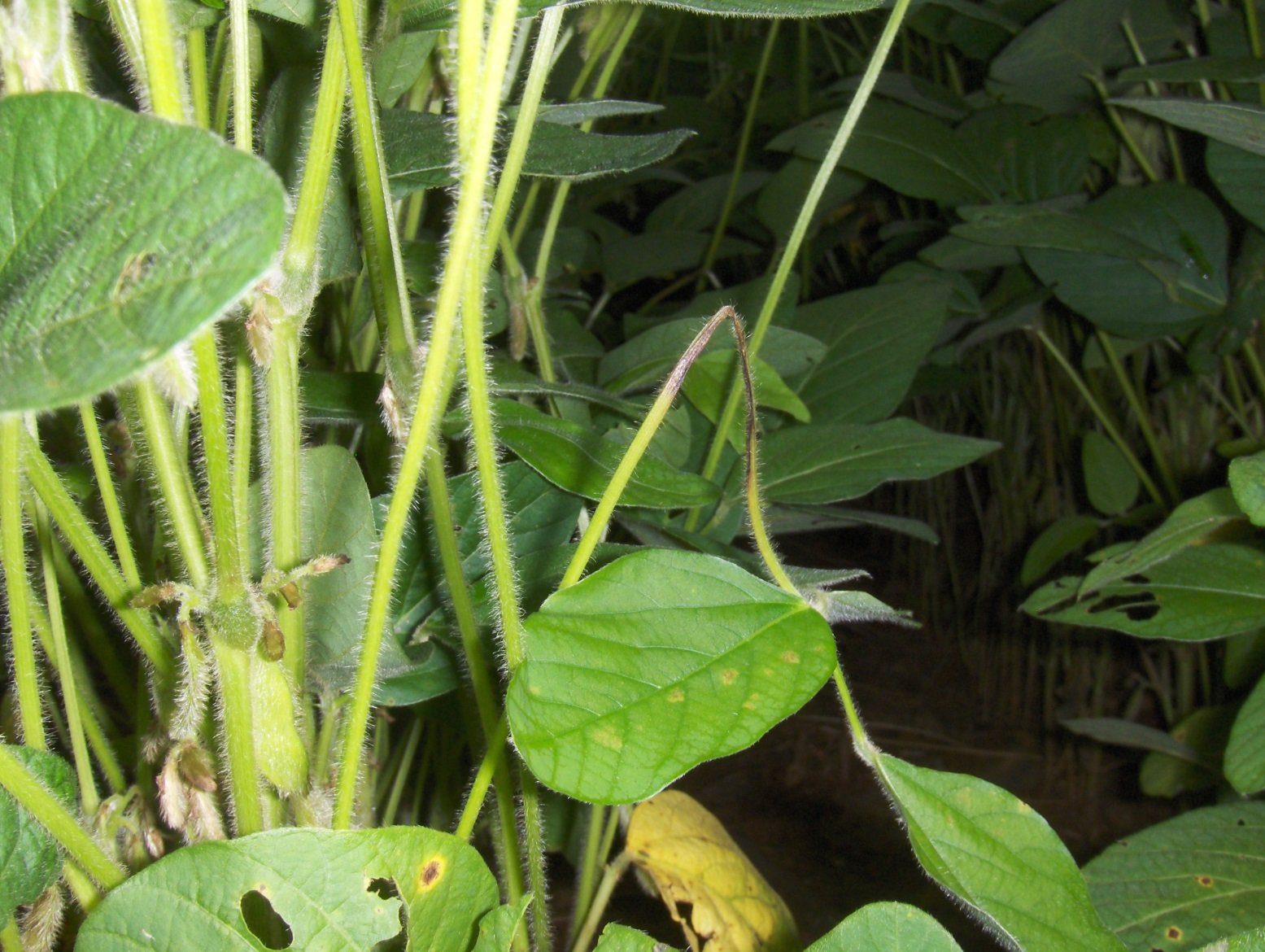
InnaLB is being developed to control Phytophthora infestans, the pathogen responsible for late blight, one of the most damaging diseases affecting potatoes. The company estimates that the disease causes around $6.7 billion in losses to global potato production each year. For Innatrix, the NSF award provides funding for what is often one of the most difficult stages in bringing a new crop protection product to market: turning promising biological performance into a product that can be manufactured consistently, formulated for practical farm use and supported by the safety and environmental data required by regulators.
"Receiving this NSF SBIR Phase IIB award validates our platform's technical accomplishments and commercial trajectory," said Dr. Jiarui Li, founder and CEO of Innatrix and principal investigator for the new award. "Late blight continues to cause catastrophic crop losses globally. With NSF's continued support, we are positioned to complete critical safety, formulation, and manufacturing milestones, moving InnaLB toward registration and commercial launch alongside our strategic industry partners."
The company has already reported significant progress during the earlier Phase II project. InnaLB demonstrated up to 80 per cent control of late blight in potatoes and tomatoes and also showed activity against cucurbit downy mildew, grape downy mildew and potato pink rot. Those results give the company a broader potential application for the technology, although the current commercial focus remains on advancing InnaLB towards registration as a crop protection product.
A key regulatory development has also reduced one potential hurdle. The U.S. EPA has granted InnaLB a "biochemical-like" classification, giving the peptide-based biofungicide access to a streamlined and potentially lower-cost regulatory pathway. The classification is particularly important for a small biotechnology company because the cost and complexity of registering a new agricultural chemical can become a major barrier to commercial entry. A more streamlined route could allow Innatrix to concentrate its resources on the studies and product development work still required before registration.
The company is now preparing for that next phase.
Under the new NSF funding, Innatrix plans to use computational redesign to improve the peptide's half-life and optimise its bioprocessing characteristics. The objective is to make the active ingredient more stable and easier to manufacture at commercial scale. Formulation work will also continue, with the company targeting a stable liquid product that can be prepared for use directly in spray tanks. Innatrix plans to use EPA-approved safe adjuvants as part of that formulation work.
The company also expects to complete animal safety and environmental studies needed to prepare InnaLB for formal EPA registration. The manufacturing question is particularly important as the product moves closer to market. A biological product may demonstrate strong performance in laboratory and field testing, but commercial viability ultimately depends on whether it can be produced at a cost that works for farmers and distributors.
Li said Innatrix has been working with a strategic partner to independently confirm peptide efficacy and has continued developing a global patent portfolio covering peptide compositions as well as delivery and manufacturing methods.
The company has also mapped out a two-year production roadmap aimed at lowering cost of goods and establishing long-term product profitability. That commercial planning comes alongside the scientific work, reflecting the stage InnaLB has reached. The focus is no longer simply whether the peptide works against a crop disease, but whether the company can turn it into a reliable agricultural product with a viable manufacturing model and a regulatory path to market.
Innatrix was founded in 2013 by Marshall Edgell, a longtime member of the microbiology faculty at the University of North Carolina at Chapel Hill. Li joined the company in 2018 as research director and senior scientist before becoming CEO in 2020. The company has received support from several sources in addition to its NSF SBIR funding, including the United Soybean Board, USDA grants and two small-business loans from the North Carolina Biotechnology Center.
Innatrix is now raising a $2 million seed round to support continued development and growth of its biological crop protection business. The fundraising effort comes as agricultural input companies, growers and investors continue to look for alternatives to conventional crop protection products. Biologicals have attracted attention because they can offer new modes of action and additional disease-management options, but their commercial success depends on proving performance in the field while also keeping manufacturing and application costs competitive.
Innatrix is betting that its peptide platform can occupy that space.
The company's approach is based on a target-driven discovery platform designed to identify biological solutions more quickly than traditional discovery programmes. Innatrix says the platform can produce durable biological solutions in as little as four years and at a fraction of the cost of conventional approaches. The InnaLB programme provides the company's clearest test of that proposition. The product has progressed from discovery and development into field validation, regulatory classification and commercial preparation.
The next two years will be focused on closing the remaining gaps between a promising biological product and a registered agricultural input. That means improving stability, developing a practical formulation, establishing a manufacturing process, completing safety and environmental studies and building the documentation required for EPA registration.
For Innatrix, the opportunity is not limited to late blight. The activity demonstrated against several other fungal diseases suggests that the underlying peptide technology could potentially support a broader crop protection portfolio over time. But late blight provides the immediate commercial target. Phytophthora infestans remains a serious problem for potato growers, and the scale of the reported global losses gives the company a sizeable market in which to establish its first product.
Innatrix is also operating from a region with a strong agricultural biotechnology base. Li said North Carolina's AgTech ecosystem and the talent available in the Durham area have played an important role in the company's progress. He pointed to access to research institutions, specialised agricultural biotechnology support, regional partners and investors as factors that helped the company move InnaLB from initial discovery through field validation. The NSF funding now gives the company additional time and capital to take the next steps.
If Innatrix can translate its field results into a stable, manufacturable and cost-effective product, InnaLB could move from an experimental peptide technology to a commercial tool for managing one of the world's most costly crop diseases. The immediate milestone is EPA registration. The larger test will be whether Innatrix can build a business around the product once it gets there.