The International Crops Research Institute for the Semi-Arid Tropics (ICRISAT) has secured long-term humanitarian access to CRISPR-Cas9 gene-editing technology, marking one of the most significant biotechnology developments for smallholder agriculture in the Global South. The licensing agreement with Corteva and The Broad Institute establishes a new pathway for accelerating the development and deployment of climate-resilient crop varieties across Asia and Africa.
The agreement gives ICRISAT the ability to integrate one of modern agriculture's most powerful breeding technologies into its crop improvement programs, enabling researchers to develop drought-, heat-, pest- and disease-tolerant varieties of pulses, millets and oilseeds more rapidly than conventional breeding methods. The move comes as climate variability, land degradation and growing food demand intensify pressure on agricultural systems across rainfed regions, where millions of smallholder farmers remain highly vulnerable to erratic weather and declining productivity.
A Strategic Shift in Crop Innovation
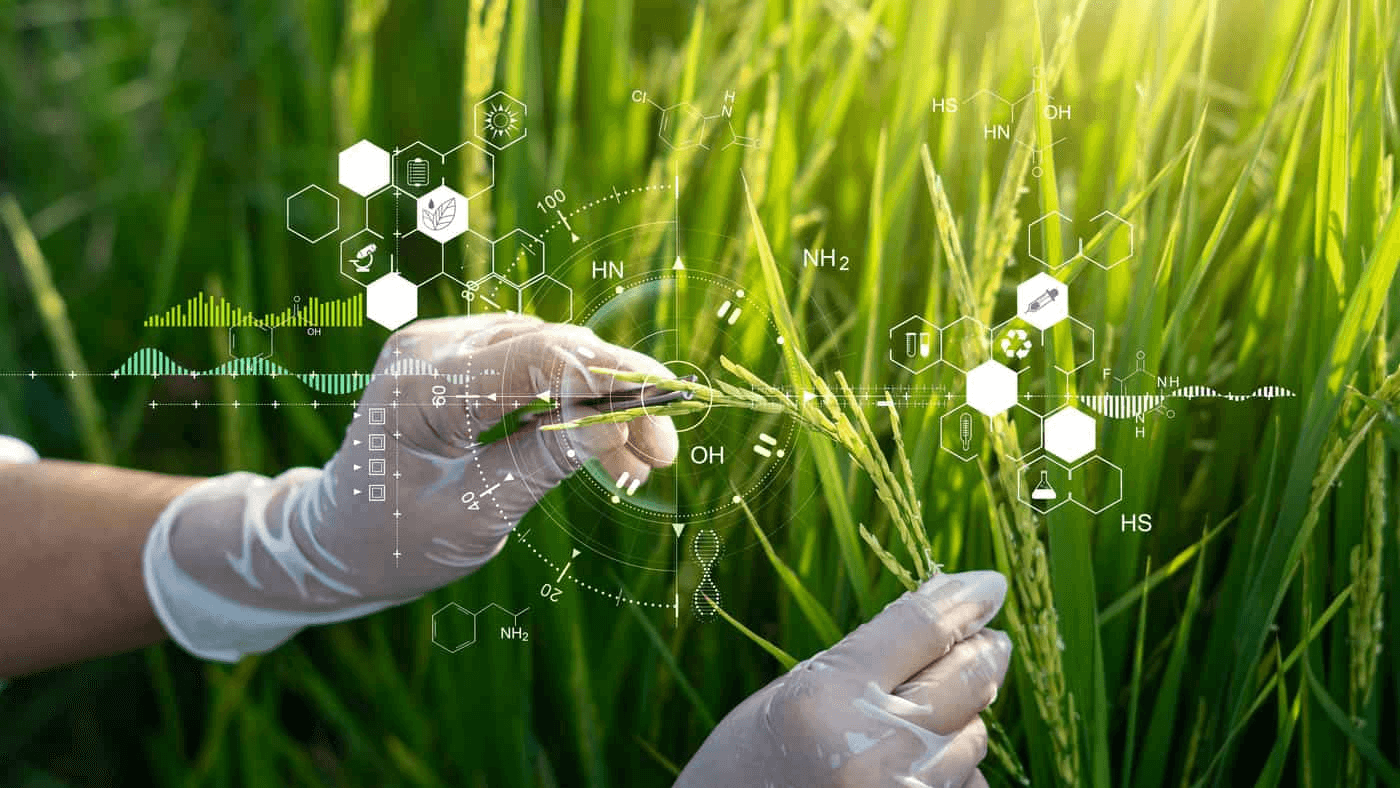
Unlike transgenic technologies that introduce foreign genetic material, CRISPR-Cas9 enables scientists to make precise edits within a plant's own genome, significantly reducing breeding timelines while preserving desirable agronomic characteristics. For ICRISAT, whose mandate spans some of the world's most climate-stressed agricultural landscapes, the agreement unlocks a complete innovation pipeline—from laboratory research and product development to farmer-ready deployment.
The institute plans to apply gene-editing technologies across its flagship crops, including sorghum, pearl millet, finger millet, chickpea, pigeonpea and groundnut, targeting traits that directly influence farm productivity, climate resilience and nutritional outcomes. Industry observers view the agreement as a strategic milestone that strengthens public-sector access to advanced biotechnology at a time when gene editing is emerging as a central pillar of global agricultural innovation.
Strengthening Smallholder Agriculture
ICRISAT Director General Dr. Himanshu Pathak described the agreement as a transformative step for dryland agriculture and the millions of farming households dependent on it. According to the institute, combining Corteva's gene-editing expertise with ICRISAT's globally recognized breeding programs and partnerships with national agricultural research systems will accelerate the delivery of improved crop varieties capable of withstanding increasingly frequent droughts, floods and pest outbreaks.
Beyond improving crop resilience, the initiative is expected to enhance farm profitability by increasing yields, reducing production risks and improving nutritional quality, while supporting food security without requiring additional agricultural land.
Building an End-to-End Innovation Ecosystem
The agreement also reinforces ICRISAT's integrated capabilities across genomics, phenomics, crop breeding, seed systems and technology dissemination. By combining advanced molecular breeding with established field-testing networks and national research partnerships, the institute aims to shorten the timeline between scientific discovery and farmer adoption—a persistent challenge in public-sector agricultural research.
The collaboration also reflects a growing trend in agricultural biotechnology, where proprietary technologies are increasingly being deployed through humanitarian licensing models to expand access for developing economies.
A Growing Role for Gene Editing
Corteva said the collaboration represents an opportunity to extend cutting-edge biotechnology beyond commercial agriculture and into smallholder farming systems facing the greatest climate risks. The partnership underscores the expanding role of gene editing in addressing global food security challenges as governments and research institutions seek faster, more precise tools to develop crops capable of adapting to changing climatic conditions.
As Asia and Africa confront rising temperatures, water scarcity and population growth, the agreement positions ICRISAT to become one of the leading public-sector institutions translating gene-editing science into practical agricultural solutions for millions of resource-constrained farmers.