Algeria is accelerating the expansion of its Annaba phosphate port as part of a broader strategy to strengthen its position in the global phosphate market, with the government targeting completion of the project by the first quarter of 2027. To fast-track construction, the Ministry of Public Works and Infrastructure has announced plans to double the workforce and deploy additional heavy machinery during July and August, underscoring the strategic importance of the Mediterranean port to the country's rapidly expanding phosphate industry.
The upgraded Annaba facility is expected to become Algeria's primary export gateway for phosphate rock and downstream phosphate products, supporting the country's ambition to emerge as a more significant supplier to European and Asian fertilizer markets.
Building an integrated phosphate value chain
The port expansion forms a critical component of Algeria's efforts to develop an integrated phosphate production and export ecosystem.
At the centre of this strategy is the IPP Souk Ahras phosphoric acid complex, which is designed to produce 900,000 metric tonnes of P₂O₅ annually. To operate at full capacity, the facility is expected to consume approximately 3 million metric tonnes of phosphate rock each year, creating substantial demand for domestic mining output.
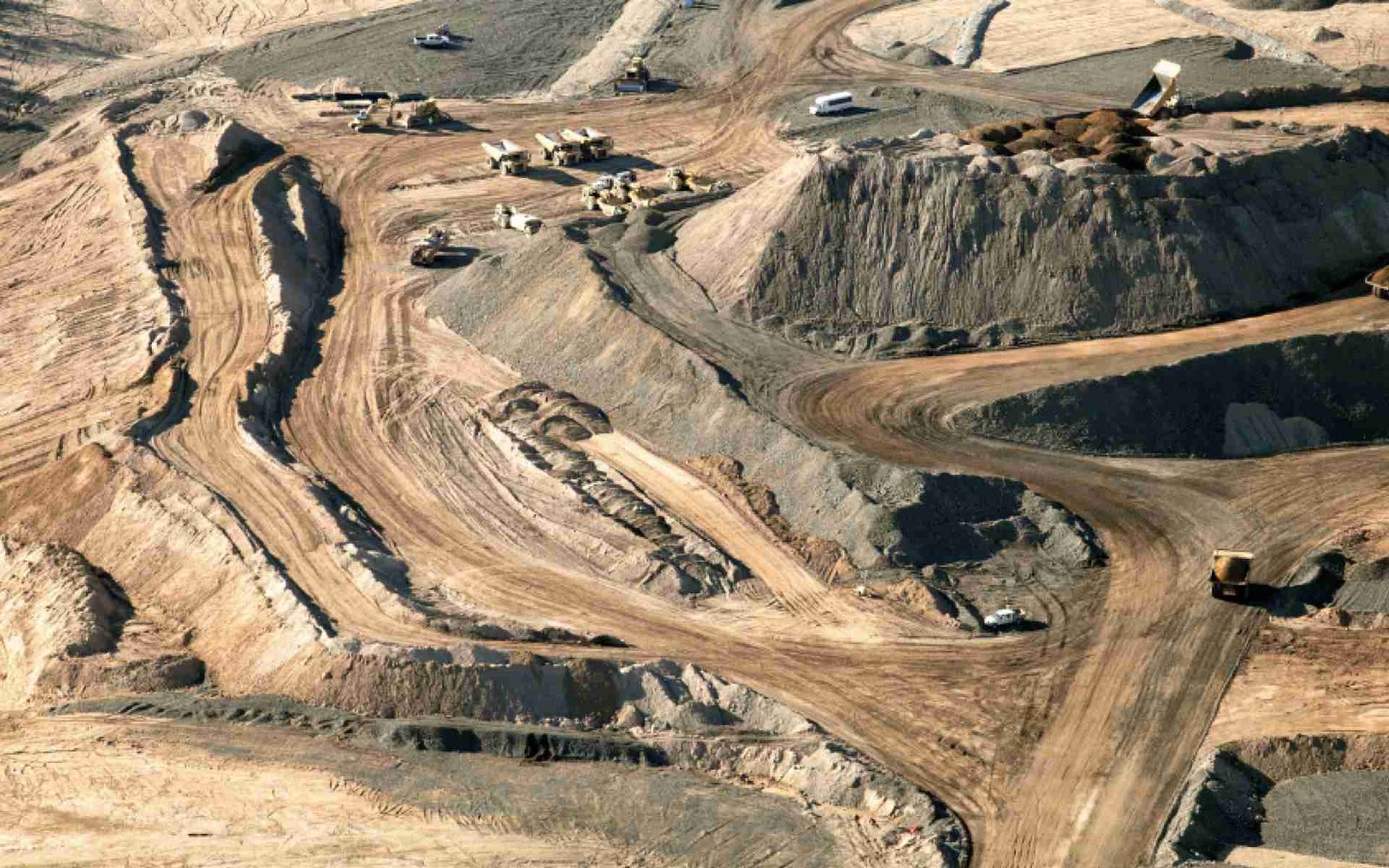
Supplying the processing complex is the Bled El Hadba phosphate mine, which has already commenced operations and is building inventories ahead of increased industrial production. The synchronized development of mining, processing and export infrastructure reflects Algeria's strategy of moving beyond raw mineral exports toward higher-value phosphate products.
Mining capacity set for further expansion
Algeria is simultaneously increasing phosphate production capacity through additional investments in mining operations. State phosphate producer Somiphos is undertaking a 1 million metric tonne annual expansion at the Djebel Onk mine, which is expected to be completed by mid-2027. Once operational, the project will raise the mine's production capacity from approximately 1.5 million metric tonnes to 2.5 million metric tonnes annually.
The additional output is expected to support both domestic processing and export markets, providing Algeria with greater flexibility as global fertilizer demand continues to grow.
Expanding presence in Asian markets
Part of the expanded production has already been earmarked for international markets. Under an existing agreement with Pupuk Indonesia, Algeria could supply up to one million metric tonnes of phosphate rock annually, strengthening trade ties with Southeast Asia while diversifying export destinations beyond traditional European markets.
The increased availability of Algerian phosphate could also provide fertilizer manufacturers in Europe and Asia with an alternative source of raw material at a time when supply diversification has become increasingly important.
Market impact likely to be gradual
While Algeria's investment programme signals a significant long-term expansion of phosphate supply, analysts suggest it is unlikely to immediately ease current market tightness. Global phosphate markets continue to face supply-side pressures driven by disrupted shipping routes in the Gulf region, elevated sulphur prices and ongoing geopolitical uncertainties affecting fertilizer trade.
As a result, Algeria's additional production is expected to improve supply diversity over the medium term rather than significantly alter short-term market dynamics.
Strategic investment in fertilizer security
The Annaba port expansion illustrates Algeria's broader strategy of leveraging its abundant phosphate reserves to strengthen its role in global fertilizer supply chains. By integrating mining, phosphoric acid production and export logistics, the country is positioning itself to capture greater value across the phosphate industry while responding to rising international demand for fertilizer raw materials.
If completed on schedule, the project could establish Algeria as an increasingly important supplier to both European and Asian fertilizer manufacturers, enhancing competition in global phosphate markets at a time when supply security remains a strategic priority.