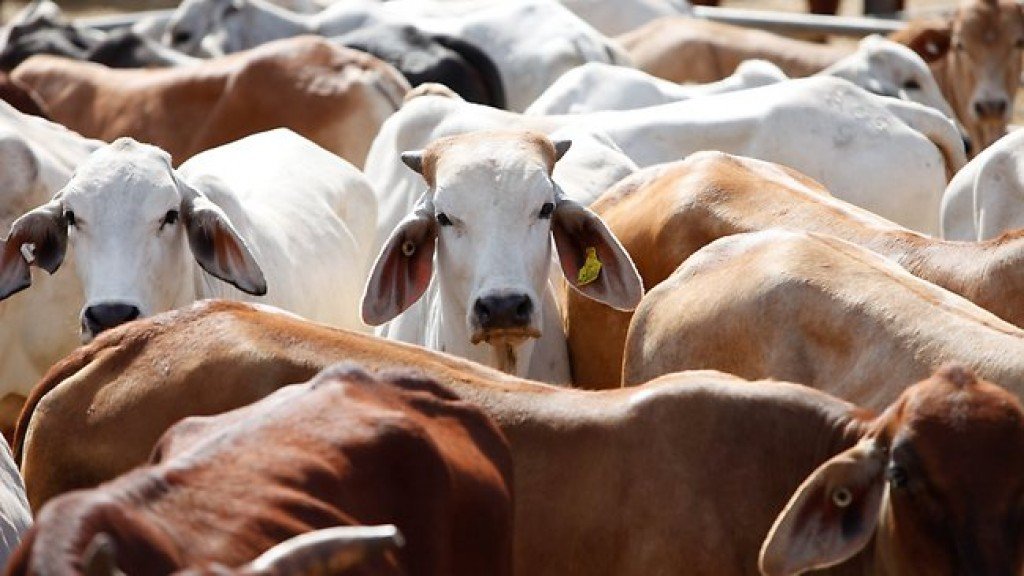
A batch of 333 live cattle has been exported from Wuqing District in Tianjin to Uzbekistan after completing inspection and quarantine procedures conducted by Wuqing Customs under Tianjin Customs. The shipment marks the first live cattle export from Tianjin to Uzbekistan since the introduction of the Belt and Road Initiative, underscoring the expanding livestock and agricultural trade links between China and Central Asia. The cattle include Holstein dairy cattle and Simmental dual-purpose cattle, selected for their robust constitution, adaptability and ability to adjust to different climatic and breeding conditions. The shipment is expected to strengthen livestock cooperation between the two countries while creating a new export avenue for Chinese animal husbandry enterprises.
According to Tianjin Customs, demand for live cattle in Central Asian markets remains significant. China-Uzbekistan economic ties have also continued to expand. From January to June 2026, bilateral trade reached RMB 64.77 billion, up 24.2 per cent year on year, providing a broader commercial backdrop for increasing cooperation in agriculture and livestock.
The shipment was exported by Tianjin Haode Animal Husbandry Co., Ltd., a Wuqing-based company engaged in livestock breeding and animal husbandry technical services. The company identified Uzbekistan as a potential market during the Uzbekistan International Agricultural Exhibition in March 2026, where it reached a cooperation intention with local customers. The first batch of orders was subsequently received in May.
Customs Builds Export Framework for Live Animal Trade
The shipment required extensive inspection, quarantine and traceability measures because of the additional sanitary and animal-health requirements associated with live-animal exports. Tianjin Customs provided guidance throughout the export process, helping the company navigate inspection and quarantine procedures and prepare for Uzbekistan's import requirements. The Animal and Plant Inspection Division of Tianjin Customs also guided Wuqing Customs in establishing a dedicated working group for the shipment.
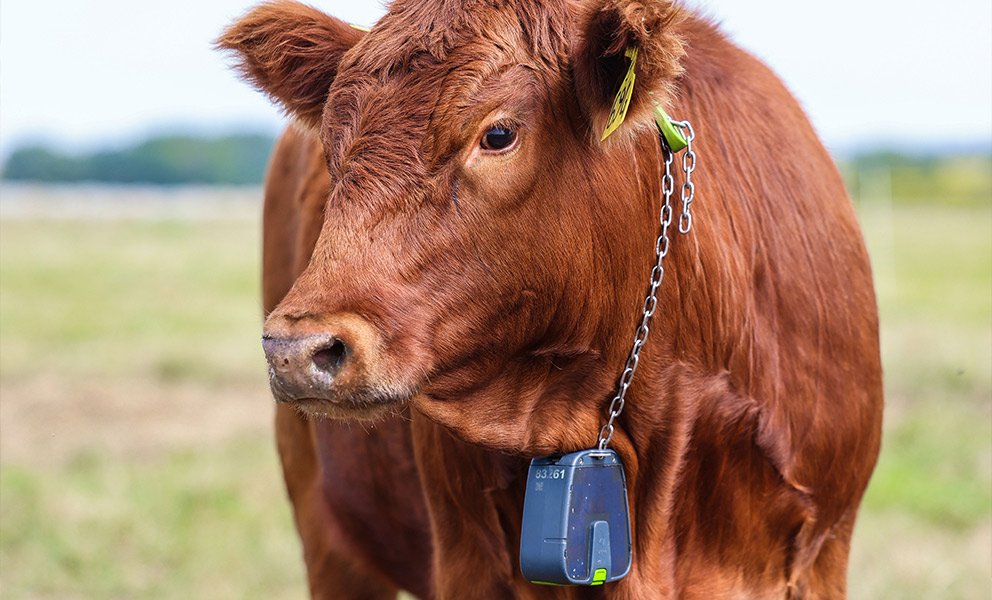
The group studied Uzbekistan's official inspection and quarantine requirements and developed a dedicated supervision plan covering the preparation, isolation, quarantine and export of the cattle. At the company's isolation facility, customs officials provided guidance on epidemic prevention and disinfection, ear-tag application and individual traceability records. During the isolation and quarantine period, officials conducted clinical examinations and collected samples for laboratory testing.
The process established a one-file-per-animal traceability system, allowing the health and quarantine status of each animal to be tracked throughout the export process. Following completion of quarantine and confirmation that the cattle met the required standards, customs issued the Animal Health Certificate. Officials also supervised the loading of the animals and applied customs seals before notifying the customs authority at the exit port. The cross-regional coordination was designed to minimise waiting time and reduce the risk of animals being held at the port, an important consideration in live-animal logistics.
Central Asia Opens New Market for Chinese Livestock
The shipment comes as agricultural and livestock cooperation between China and Uzbekistan expands alongside broader bilateral trade. For Chinese livestock companies, Central Asia offers potential demand for breeding cattle, dairy genetics and dual-purpose breeds, while Uzbekistan is seeking to strengthen its livestock production capacity. The Tianjin shipment also demonstrates the importance of customs infrastructure in enabling live-animal trade. Beyond conventional export documentation, such shipments require coordinated disease-control measures, quarantine supervision, animal identification, health certification and logistics management.
The successful export of the 333 cattle therefore represents more than a single shipment. It establishes a new livestock trade route between Tianjin and Uzbekistan and adds another dimension to the agricultural cooperation developing between China and Central Asia under the Belt and Road framework.