Bayer and Neste have finalised a commercial agreement to jointly scale Bayer’s newgold winter canola in the Southern Great Plains of the US, marking a push to develop winter canola as a larger feedstock source for the renewable fuels market.
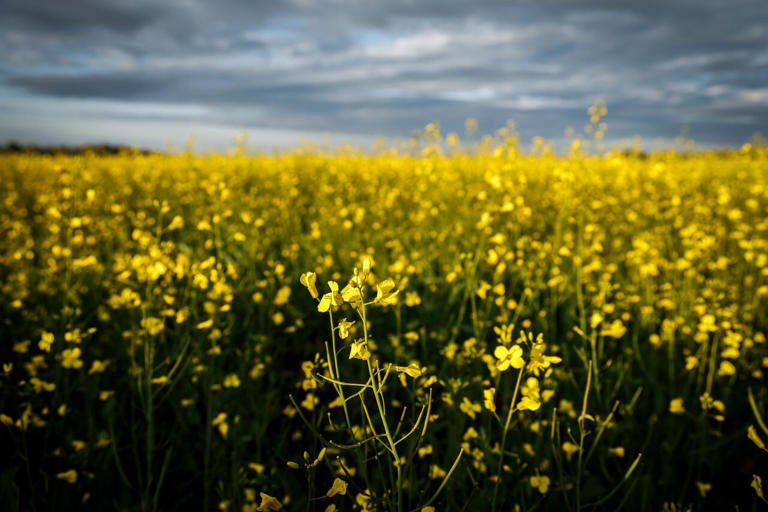
The partnership is designed to expand the acreage planted to winter canola across a region where the crop remains relatively underdeveloped. For Bayer, the opportunity extends beyond introducing a new crop hybrid. The company is positioning winter canola as part of a broader value-chain model linking seed technology, growers, agricultural partners and renewable fuel demand.
The Southern Great Plains offers particular potential because winter canola can be incorporated into rotations with wheat, creating an alternative source of farm revenue while making greater use of agricultural land during the winter growing season. Bayer expects the crop to provide farmers with another commercial option at a time when demand for renewable fuel feedstocks is expanding.
“ In times of geopolitical tensions, the need for more energy security and resilience while decarbonising the transportation sector leads to growing demand for renewable fuel. This agreement further underscores Bayer’s commitment to help scale biofuels production,” said Frank Terhorst, head of strategy and sustainability for Bayer’s Crop Science division.
Terhorst said Bayer sees the Southern Great Plains as an untapped opportunity for winter canola. The company expects the launch of newgold winter canola to give farmers a profitable rotational crop alongside wheat, improve land utilisation and provide access to a growing biofuels market.
The commercial agreement also reflects a wider shift in renewable fuels towards securing reliable, scalable agricultural feedstocks. As biofuel producers expand capacity and look for additional raw materials, the availability of consistent supplies has become as important as processing technology. Building a dedicated winter canola value chain could therefore give both the agricultural and energy sectors a more predictable route from farm production to renewable fuel markets.
Bayer and Neste are establishing a newgold network with additional value-chain partners to support the expansion of winter canola and create an additional market for growers. The network is intended to strengthen coordination across the supply chain as acreage increases, helping connect farmers with downstream demand.
For Neste, the partnership fits into its strategy of broadening and strengthening feedstock sourcing for renewable products. The company has emphasised the importance of collaboration across agricultural and energy value chains as new raw materials move from development into commercial-scale production.
“Maximising the contribution of novel types of raw materials to support growth in renewables requires open supply chain collaboration. By building robust value chains, we can turn agricultural innovations into scalable realities for growers and energy markets,” said Artturi Mikkola, senior vice-president, renewable products feedstock sourcing and trading at Neste.
Mikkola said the Bayer newgold winter canola collaboration will establish a value chain in one of Neste’s key markets while creating opportunities to increase farm yields and grower income. The emphasis on value-chain development is significant because scaling a new feedstock requires more than seed availability; growers need confidence that there will be an established market for the crop after harvest.
For farmers in the Southern Great Plains, winter canola could provide an alternative to a production system heavily centred on wheat. Its role as a rotational crop could potentially improve land utilisation while creating another source of agricultural income. The commercial involvement of a major renewable fuels producer also provides a clearer demand signal for growers considering a shift into the crop.
Bayer plans to launch newgold winter canola hybrids in the autumn of 2027. The launch will represent the next major step in the companies’ effort to move winter canola from an underutilised regional crop towards a larger-scale feedstock for renewable fuel production.
The partnership ultimately brings together two distinct but increasingly interconnected markets: agricultural productivity and energy transition. For Bayer, expanding winter canola creates a new avenue for seed and crop innovation. For Neste, it provides an opportunity to develop another agricultural feedstock stream. For growers, the commercial proposition rests on whether the crop can deliver competitive returns while fitting efficiently into existing wheat-based rotations.
The success of the initiative will therefore depend not only on the performance of the new hybrids, but also on how effectively Bayer, Neste and their value-chain partners build acreage, grower participation and reliable market infrastructure ahead of the 2027 launch.