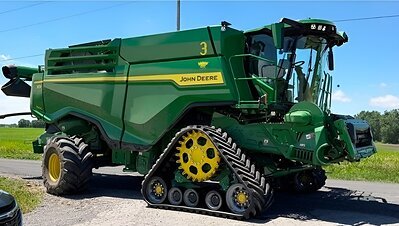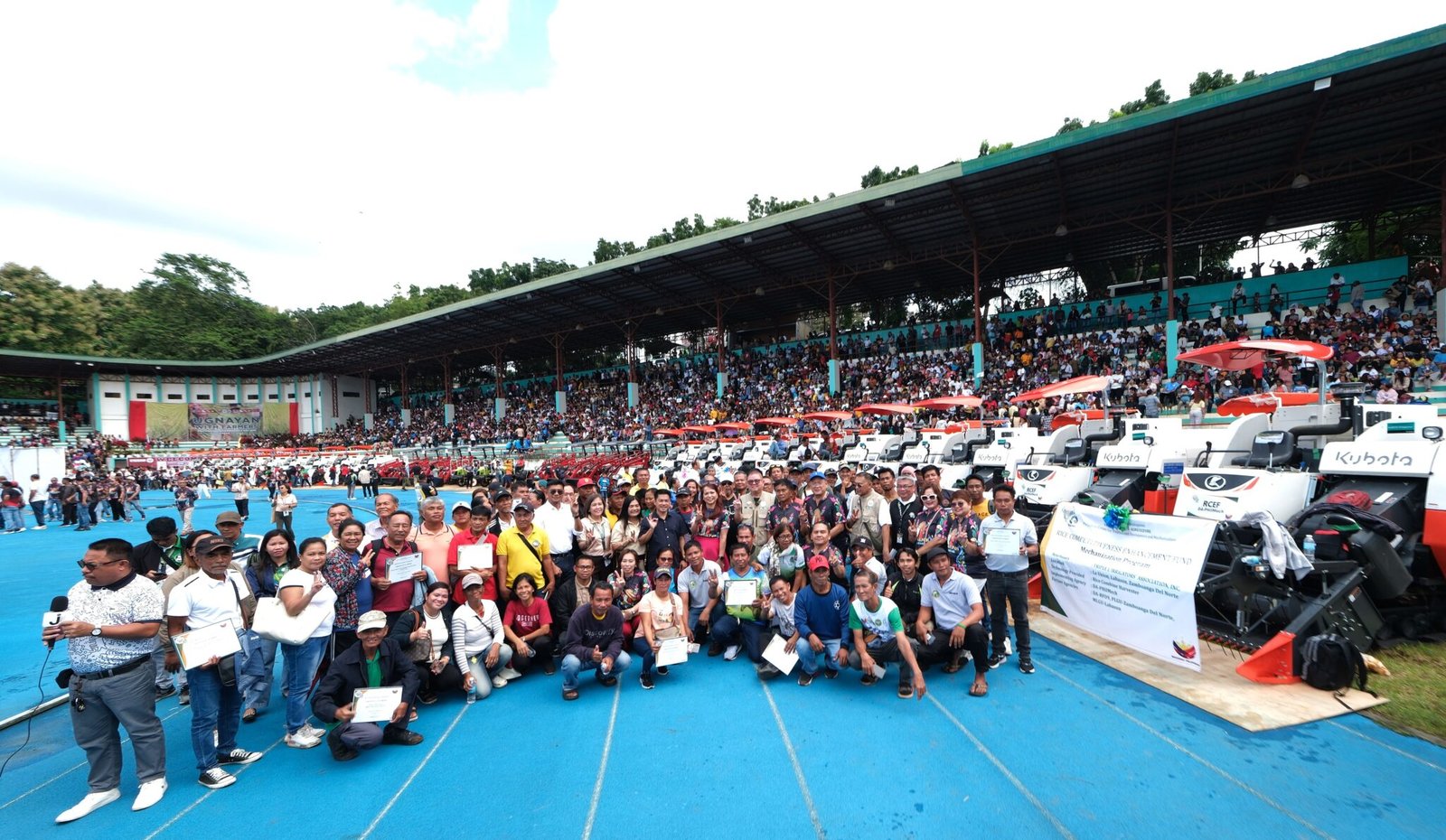
China’s summer grain harvest has crossed a milestone that underscores the country’s continuing push to strengthen domestic food security, even as increasingly volatile weather creates new risks for agricultural production. China produced a record 150.75 million tonnes of summer grain in 2026, surpassing 150 million tonnes for the first time, according to the Ministry of Agriculture and Rural Affairs. The record comes as Beijing expands investment in higher-quality farmland, strengthens domestic seed capabilities and prepares for a potentially more disruptive weather season.
China has now developed more than 66.7 million hectares of high-quality farmland, a foundation that has helped support successive record harvests, Vice Minister of Agriculture and Rural Affairs Zhang Xingwang said at a media conference. The next test will come with the country’s autumn harvest. China’s autumn grain planting area has increased slightly this year, Zhang said, creating a stronger base for another potentially large harvest. Autumn crops account for roughly three-quarters of China’s annual grain production, making the second half of the agricultural year critical to overall food availability.
The record summer harvest also reflects Beijing’s broader effort to reduce vulnerabilities across the agricultural production system. During the first half of 2026, China intensified efforts to strengthen its seed industry, with domestically bred crop varieties now accounting for more than 95% of total planted area. That level of domestic varietal penetration gives China a significant degree of control over one of the most important inputs in agricultural production, while reducing exposure to disruptions in international seed supply chains. But the record harvest arrives against a more uncertain climate backdrop.
China is expecting more frequent extreme weather events during this year’s main flood season, with some regions potentially facing rapid shifts between drought and flooding. Meteorological forecasts are also pointing to the development of a strong, potentially super El Niño, which could bring higher temperatures, heavier rainfall and more severe drought conditions to different parts of the country. For Chinese agriculture, the challenge is therefore shifting from simply producing more grain to protecting production gains against increasingly unpredictable weather.
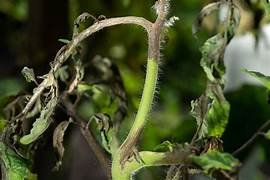
The Ministry of Agriculture and Rural Affairs said it will intensify monitoring of weather conditions and strengthen coordination with meteorological, water-resource and emergency-management authorities. Timely warnings, stronger reserves of agricultural and disaster-response materials and the deployment of technical expertise will be used to limit potential crop losses. Pest and disease surveillance will also receive greater attention. Authorities are particularly monitoring threats including rice planthoppers, rice leaf folders and southern corn rust, all of which can cause significant damage if outbreaks coincide with favourable weather conditions.
The approach reflects a broader evolution in China’s food-security strategy. Higher-yielding farmland, greater reliance on domestic crop varieties and stronger disaster preparedness are increasingly being treated as interconnected components of agricultural resilience. For now, the summer harvest provides a strong starting point. But with autumn grain accounting for most of China’s annual production, the country’s food-security outlook will ultimately depend on whether the gains made in the first half of the year can withstand a more volatile climate environment in the months ahead.