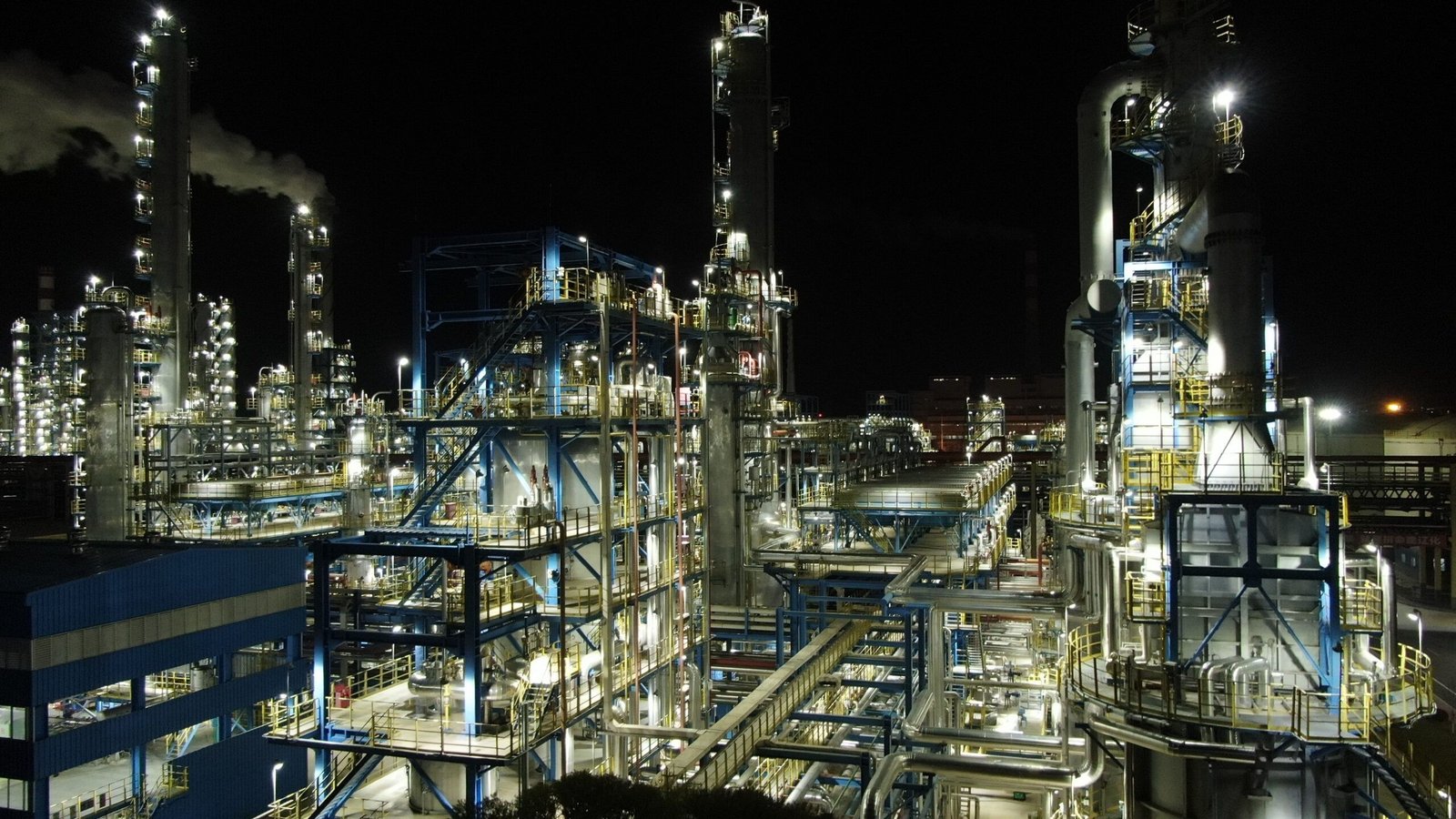
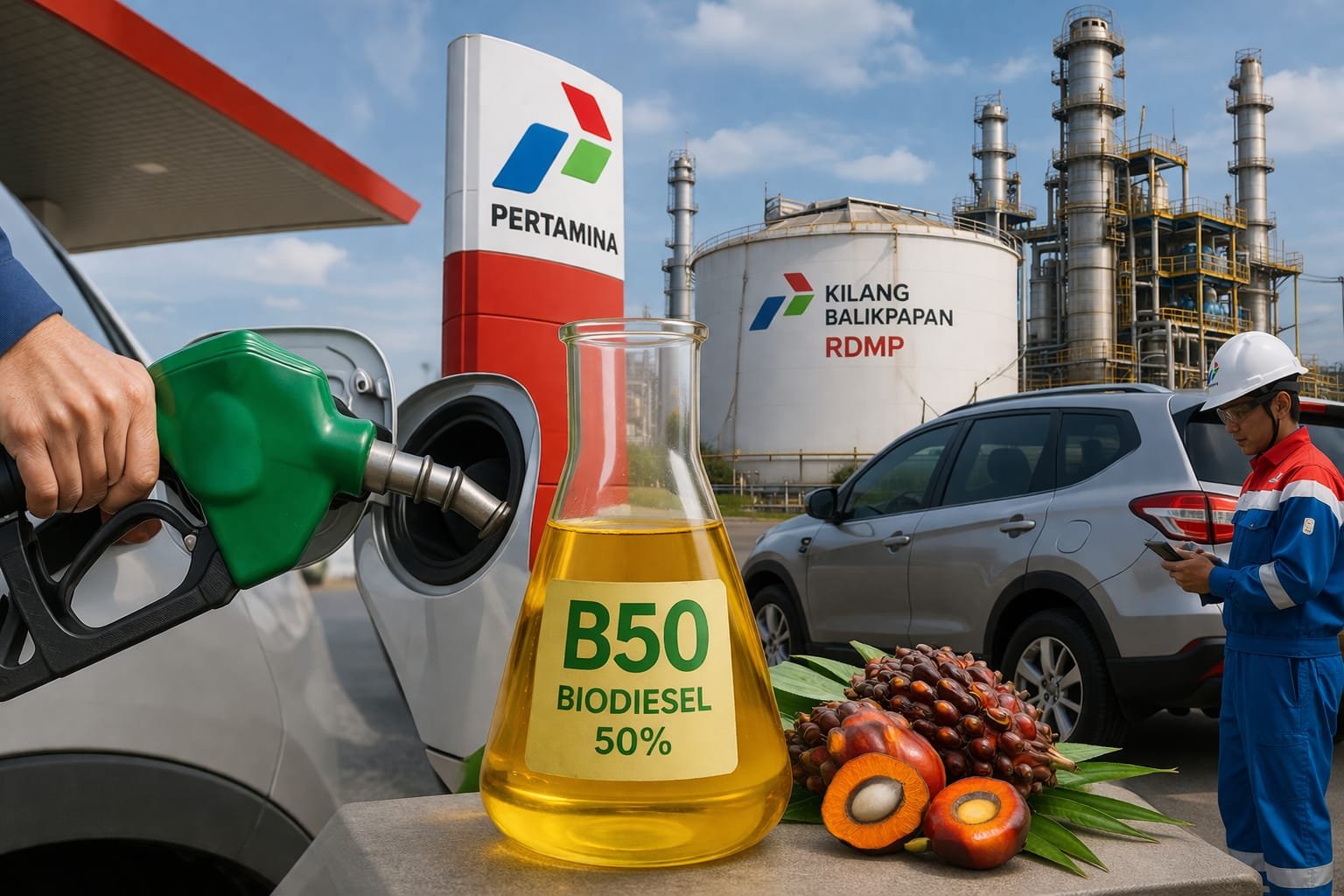
Indonesia has taken a major step towards strengthening energy security and reducing dependence on imported fossil fuels with the nationwide rollout of B50 biodiesel, a government-led initiative requiring diesel fuel to contain a 50 per cent blend of palm oil-based biodiesel. The programme, implemented through state-owned energy company Pertamina Patra Niaga, marks the first large-scale national adoption of a B50 biodiesel mandate anywhere in the world, positioning Indonesia at the forefront of biofuel development and renewable energy transition.
The distribution programme officially began on 1 July 2026, with Pertamina initially activating 29 of its 126 fuel terminals to supply the new biodiesel blend. The company will gradually expand coverage during a three-month transition period, allowing fuel suppliers to reduce existing inventories of B40 biodiesel before moving towards full implementation. The nationwide deployment represents a key milestone in Indonesia’s strategy to strengthen domestic energy resilience while creating new opportunities for its palm oil sector.
B50 Programme Supports Indonesia’s Energy Security Goals
Indonesia’s government has positioned the B50 mandate as a strategic component of President Prabowo Subianto’s vision to achieve greater energy self-sufficiency and reduce exposure to volatile global oil markets. By increasing the use of domestically produced biodiesel, the country aims to reduce diesel imports, improve its trade balance and enhance protection against fluctuations in international fossil fuel prices.
The Ministry of Energy and Mineral Resources has confirmed that major industrial sectors are prepared for the transition, following extensive evaluation and technical assessments. Compatibility testing has been conducted across multiple applications, including heavy machinery, mining equipment, locomotives and marine vessels, to ensure that the higher biodiesel blend meets performance and operational requirements.
Industrial Readiness Strengthens Implementation
The transition to B50 requires coordination across Indonesia’s extensive fuel distribution network and industrial ecosystem. Pertamina Patra Niaga’s phased implementation approach is designed to ensure a smooth transition by gradually expanding supply availability while allowing market participants to adapt to the new fuel standard. The government has worked closely with energy companies, industrial users and technical stakeholders to assess fuel performance and ensure operational reliability across different sectors.
The move reflects Indonesia’s broader ambition to build a more resilient energy system by increasing the role of locally produced renewable fuels.
Palm Oil Sector Gains New Growth Opportunity
Beyond reducing fossil fuel dependence, the B50 programme is expected to generate economic benefits throughout Indonesia’s palm oil value chain. As one of the world’s largest palm oil producers, Indonesia views biodiesel expansion as a way to create stronger domestic demand for palm-based feedstocks while supporting farmers, processors and related industries. The initiative is also expected to generate employment opportunities across the biodiesel supply chain, including production, transportation and distribution activities.
By linking renewable energy development with agricultural production, Indonesia aims to create a stronger connection between its energy transition goals and rural economic growth.
Environmental Benefits Drive Biofuel Expansion
The Indonesian government expects the B50 programme to contribute significantly to emissions reduction efforts by replacing a portion of conventional fossil diesel consumption with renewable fuel. The initiative forms part of Indonesia’s broader strategy to reduce greenhouse gas emissions while supporting sustainable energy development.
Officials believe that increasing biodiesel utilisation can help the country meet climate commitments while strengthening domestic energy independence.
Full Nationwide Distribution Targeted for October
Pertamina Patra Niaga will continue expanding B50 distribution across its network during the transition phase, with nationwide availability at all filling stations targeted by 1 October 2026. The successful implementation of B50 will make Indonesia a global benchmark for large-scale biodiesel adoption and could influence future biofuel strategies in other emerging economies seeking alternatives to imported fossil fuels.
As global energy markets continue to shift towards lower-carbon solutions, Indonesia’s B50 programme highlights the growing role of agricultural commodities in supporting renewable energy systems. The initiative demonstrates how biofuel development can simultaneously address energy security, climate objectives and agricultural sector growth, positioning Indonesia as a major player in the global renewable fuel landscape.