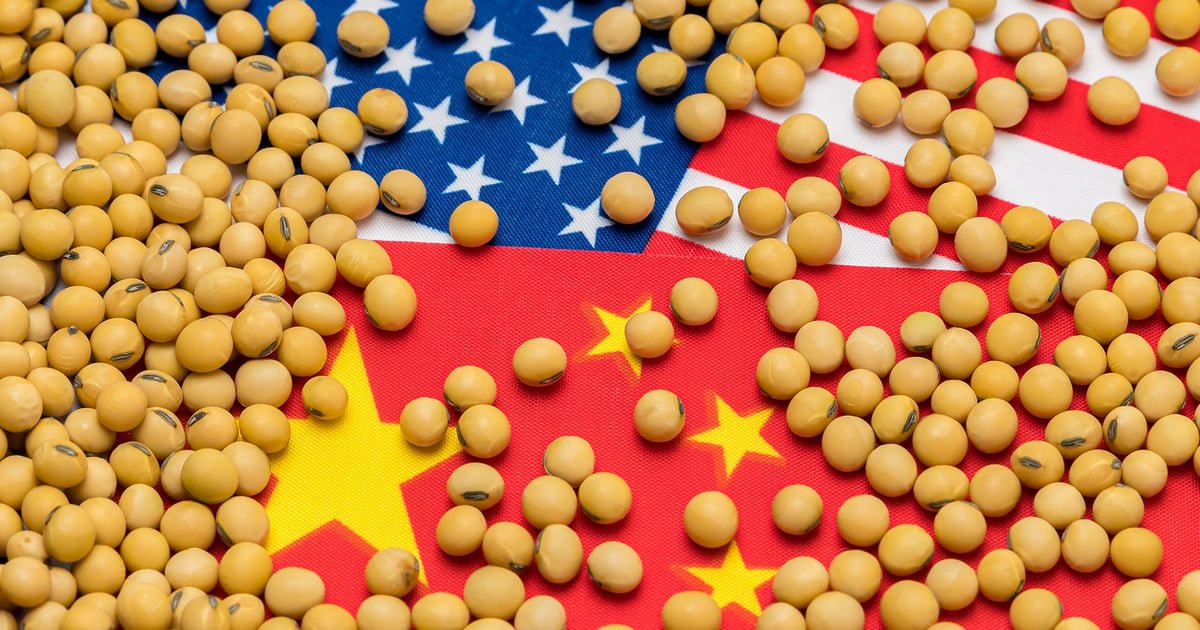
The American Soybean Association (ASA) has welcomed the U.S. administration’s decision to exempt certain agricultural inputs from newly announced Section 301 tariffs but has called for a broader review of products critical to American farming operations. The latest tariff action introduces new duties on imports from 60 trading partners, replacing the previously expired Section 122 tariffs. While several agricultural inputs identified by farming organisations have received exemptions, ASA warned that remaining tariffs on essential products could increase production costs and add further pressure on U.S. farmers already facing elevated input expenses.
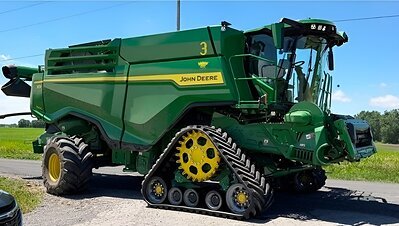
Representing soybean growers across the United States, ASA said reliable access to affordable seeds, fertilisers, crop protection products, agricultural machinery and replacement parts remains essential for maintaining competitiveness in global markets. “Soybean farmers depend on reliable access to affordable agricultural inputs to remain competitive,” said Scott Metzger, ASA President and Ohio soybean farmer. He appreciated the administration’s recognition of the importance of certain exemptions and acknowledged the efforts of the White House and the Office of the U.S. Trade Representative (USTR) in considering concerns raised by the agricultural sector.
However, ASA emphasised that additional agricultural products remain subject to tariffs, which could increase costs for farmers and intensify challenges linked to rising operational expenses.
Farmers Seek Wider Tariff Relief for Essential Agricultural Inputs
The soybean industry has been closely monitoring the Section 301 tariff review process, as imported agricultural inputs play a significant role in farm productivity and profitability.
ASA has urged the administration to continue expanding exemptions to include more products that directly support agricultural production. The organisation argues that reducing unnecessary tariff burdens on critical farm supplies will help protect farmers from additional cost pressures while supporting the competitiveness of U.S. agriculture.
The association highlighted that input affordability is directly linked to farmers’ ability to invest in technology, improve productivity and compete in international markets.
ASA Calls for Protection of Free Trade Agreement Partnerships
Beyond agricultural input exemptions, ASA has called on the administration to maintain tariff-free treatment for countries that have existing free trade agreements with the United States and are fulfilling their commitments under those agreements. According to ASA, preserving these trade relationships provides greater certainty for farmers, strengthens long-term market access and supports stability across agricultural supply chains.
The organisation also encouraged policymakers to use trade negotiations as an opportunity to establish new bilateral agreements that expand export opportunities for U.S. agricultural commodities, including soybeans.
Soybean Industry Plays Active Role in Trade Policy Discussions
ASA has actively participated throughout the Section 301 investigation process, working alongside industry partners to highlight the potential impact of tariffs on American agriculture. The association submitted joint comments with the U.S. Soybean Export Council (USSEC) and provided testimony before the Office of the U.S. Trade Representative, outlining the importance of maintaining access to affordable farm inputs and protecting agricultural competitiveness.
As global agricultural markets become increasingly interconnected, ASA said balanced trade policies will be critical to ensuring that U.S. farmers can continue supplying domestic and international markets efficiently.
Outlook: Input Costs Remain a Key Concern for U.S. Agriculture
The latest tariff developments underline a broader challenge facing farmers worldwide: balancing trade policy objectives with the need to maintain affordable production systems. For U.S. soybean growers, access to competitively priced inputs remains central to profitability, particularly as producers navigate higher operating costs, global competition and evolving market conditions.
ASA’s push for additional exemptions reflects the wider agricultural sector’s demand for policies that support productivity, strengthen supply chain resilience and safeguard the competitiveness of American farming.