
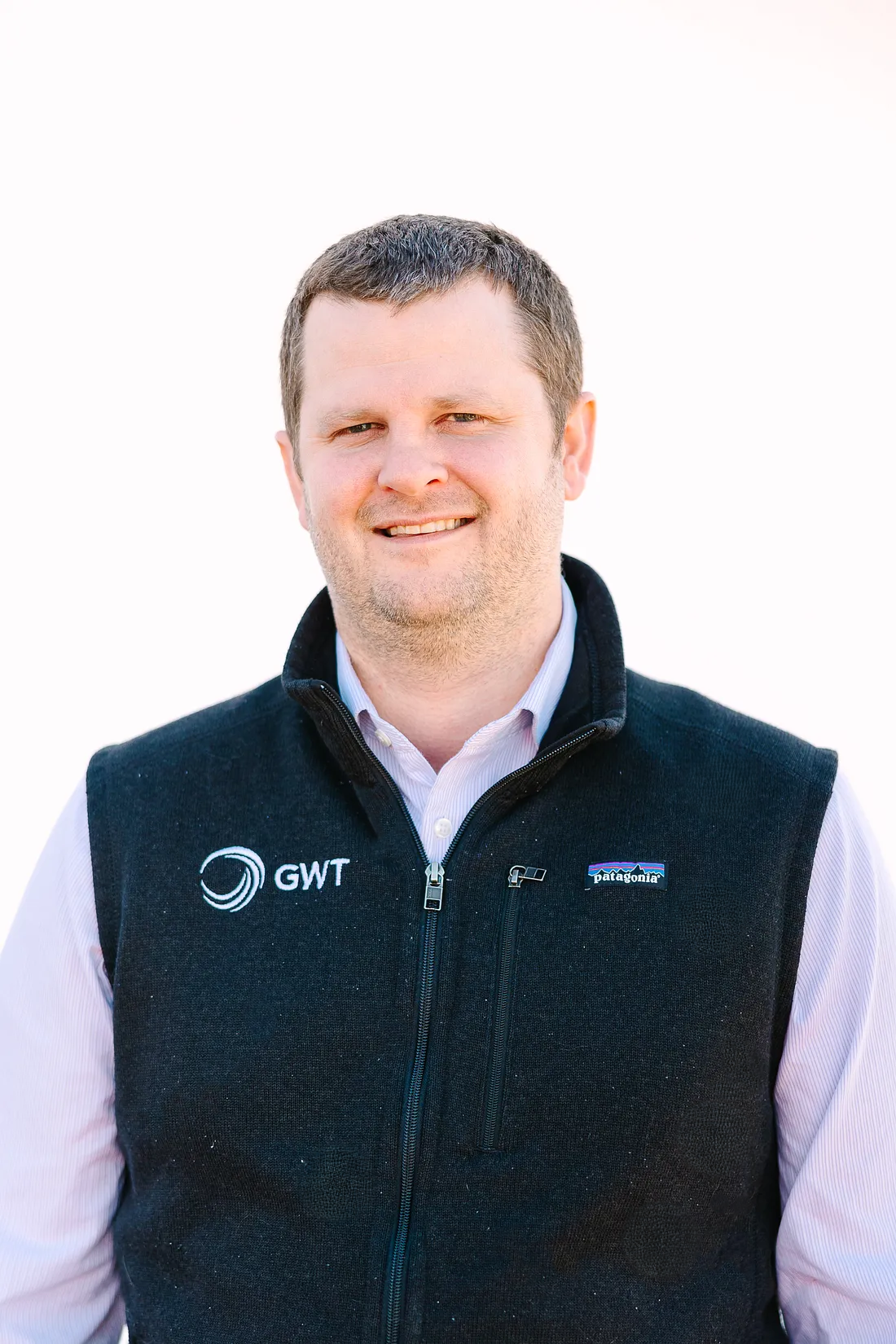
In an exclusive with AgroSpectrum, the Founder & CEO explains how Global Cleantech 100 recognition validates economic durability, circular value creation, and the future of wastewater as a strategic asset
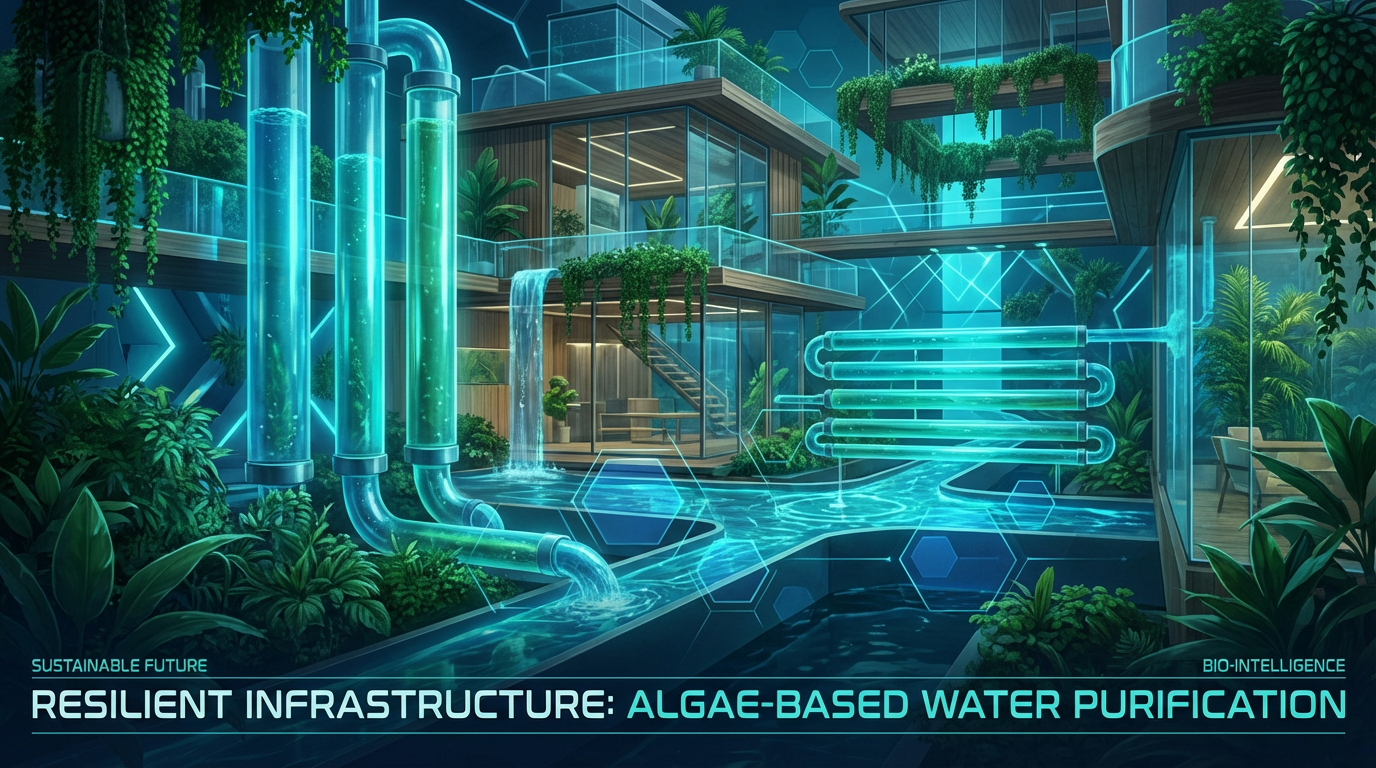
AgroSpectrum spoke with Martin Gross, Founder & CEO of Gross-Wen Technologies, following the company’s inclusion in the 2026 Global Cleantech 100. He highlighted how the recognition validates algae-based wastewater treatment as a mature, infrastructure-ready solution for both municipal and industrial users, delivering regulatory compliance alongside energy savings and usable biomass.
Gross emphasized Gross-Wen’s focus on economic durability—reducing operating costs, emissions, and chemical dependence while enabling circular value creation through nutrient and carbon recovery. Looking ahead, he positioned wastewater as a strategic asset, with Gross-Wen helping cities and industries build resilient, low-carbon water infrastructure amid tightening capital and climate constraints.
Recognition & Strategic Validation
Gross-Wen Technologies has been named to the 2026 Global Cleantech 100 at a time when the market is becoming more disciplined and competitive. What does this recognition signal to you about the maturity of algae-based wastewater treatment and its role in the future of critical infrastructure?
Being named to the 2026 Global Cleantech 100 signals that algae-based wastewater treatment has reached infrastructure maturity across both municipal and industrial applications. For cities and food and beverage manufacturers alike, it validates that biological systems can deliver reliable compliance while producing a usable algae biomass. This recognition underscores algae’s growing role in resilient, next-generation water infrastructure.
Economic Durability as the New Cleantech Mandate
Cleantech Group highlights a shift from efficiency-driven innovation to durability-driven systems. How does Gross-Wen’s technology embody economic durability, particularly for municipalities and industrial customers operating under tighter capital and regulatory constraints?
Gross-Wen’s technology delivers economic durability by reducing energy use, lowering greenhouse gas emissions, and minimizing chemical and sludge costs for municipalities and industrial operators, including food and beverage facilities. The treatment process also produces algae biomass as a viable byproduct, creating opportunities to offset operating costs. This combination supports long-term affordability under increasing regulatory and capital constraints.
Water, Climate, and National Resilience
Water security is increasingly intersecting with climate resilience and national security. How do you see algae-based wastewater treatment contributing to long-term water independence and resource security in the U.S. and globally?
Algae-based wastewater treatment reduces reliance on energy-intensive processes while enabling nutrient recovery and water reuse at both municipal plants and industrial facilities. For food and beverage producers, this supports compliance and operational resilience while lowering emissions. At a broader level, it strengthens water independence and resource security in the face of climate volatility.
Scalability in a Competitive Market
With investment and attention concentrating in select “grow” sectors like AI and critical minerals, how has Gross-Wen positioned itself to scale in a market where capital efficiency, predictability, and proven deployment matter more than ever?
We’ve positioned Gross-Wen to scale by focusing on standardized, capital-efficient systems with predictable performance for both municipal utilities and industrial customers. In sectors like food and beverage, proven energy savings, emissions reductions, and consistent biomass production are more important than speculative innovation. Repeat deployments and operating data have been central to our growth.
Carbon, Nutrients, and Circular Value Creation
Gross-Wen’s system not only treats wastewater but captures carbon and recovers nutrients for reuse. How important is this circular value proposition in helping customers justify adoption—and how do you see markets evolving for recovered nutrients and algae-derived products?
The circular value proposition is critical because nutrients and carbon are captured into algae biomass during treatment, reducing greenhouse gas emissions while producing a usable product. This helps both municipalities and industrial users justify investment beyond compliance alone. We see growing demand for recovered nutrients and algae-derived products as sustainability and cost pressures continue to align.
From Pilot Projects to Infrastructure Mainstay
Many climate technologies struggle to move from pilots to widespread infrastructure adoption. What have been the key lessons Gross-Wen has learned in bridging that gap, and what policy or procurement changes would most accelerate deployment?
The key lesson has been designing systems that integrate seamlessly into existing municipal plants and food and beverage operations. Demonstrating consistent performance alongside energy, emissions, and biomass benefits in real-world facilities builds trust. Procurement policies that prioritize lifecycle value over lowest upfront cost would significantly accelerate deployment.
Innovation Philosophy in a Pressure-Cooker Environment
The cleantech ecosystem is described as a “pressure cooking” environment, with fewer technologies breaking out. How do you maintain innovation velocity while ensuring reliability and predictability for customers who depend on mission-critical water systems?
We maintain innovation velocity by tightly linking biological advances to operational reliability for both municipal and industrial users. Every improvement must reduce energy use, lower emissions, or improve biomass outcomes without increasing complexity. That discipline ensures innovation strengthens, rather than destabilizes, mission-critical systems.
Looking Ahead: The Next Five Years
As AI-driven demand, climate volatility, and resource constraints intensify, what role do you envision Gross-Wen Technologies playing in reshaping how cities and industries think about wastewater—not as a liability, but as a strategic asset?
Over the next five years, we see municipalities and food and beverage companies increasingly treating wastewater as a strategic resource. Gross-Wen will help transform treatment systems into platforms that deliver clean water, reduced emissions, and valuable biomass—reshaping wastewater infrastructure for long-term resilience and value creation.
— Suchetana Choudhury (suchetana.choudhuri@agrospectrumindia.com)
