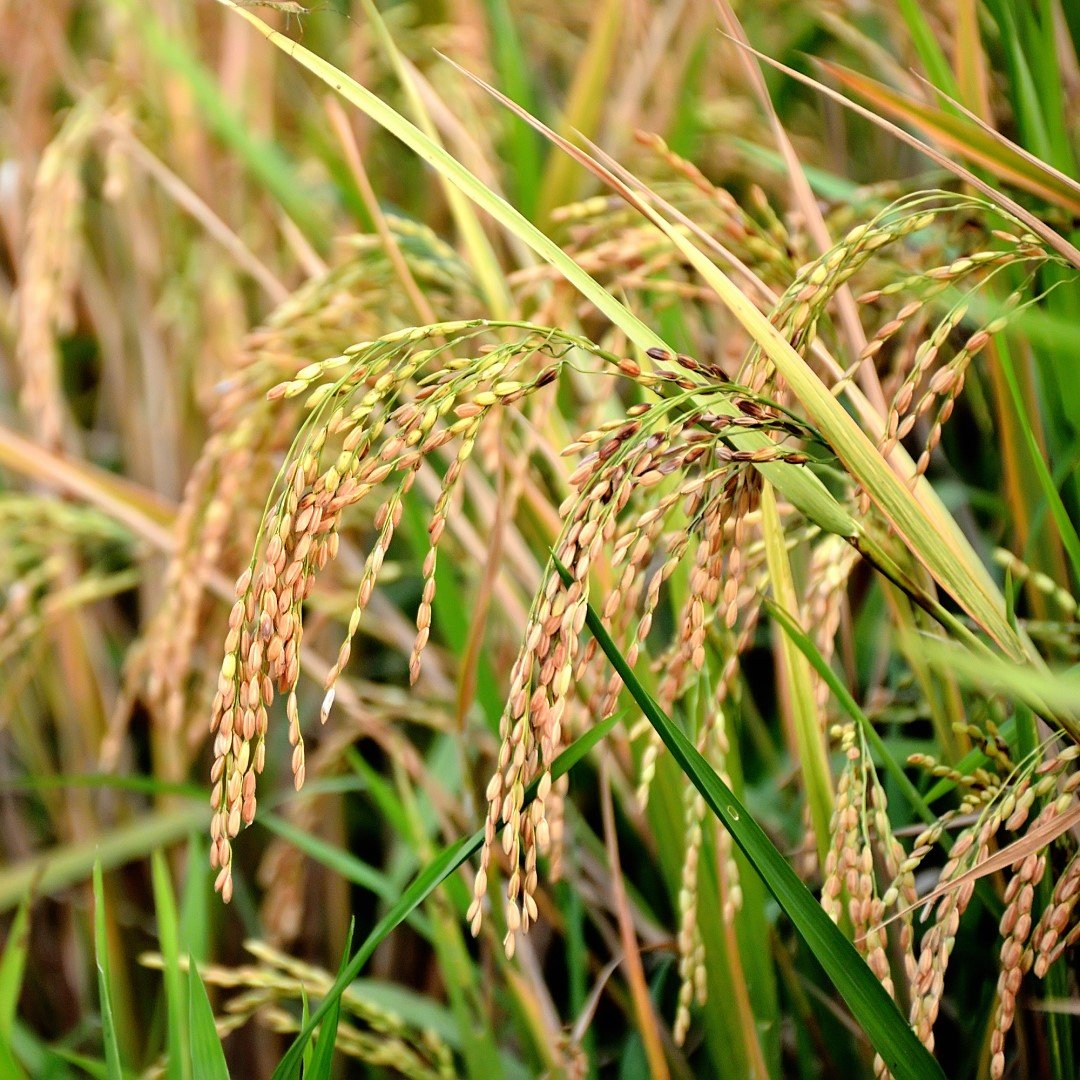
A joint research team from NTT and Tokyo Metropolitan University has developed what it describes as the world's first technology capable of simultaneously hybridizing four rice varieties, potentially opening a new route for developing crops with higher yields, enhanced functional properties and greater environmental resilience.
The breakthrough addresses a long-standing limitation in conventional plant breeding. Traditional hybridization generally combines two parental varieties at a time, while polyploidization increases the number of genome sets within a single variety. The new approach brings both strategies together, allowing researchers to combine genetic material from four different rice varieties while also producing a plant with twice the normal number of genome sets.
The research findings were published in the scientific journal New Phytologist on August 20, 2026. The technology was developed by researchers from NTT and Professor Takashi Okamoto of Tokyo Metropolitan University and is being positioned as a potential new breeding platform for crops with combinations of traits that conventional methods have struggled to achieve.
At the centre of the breakthrough is a plant in vitro fertilization, or IVF, system. Researchers isolated egg and sperm cells from four genetically distinct rice varieties and artificially fused them using electrical stimulation to create fertilized eggs containing genetic material from all four parents.
The parental lines included the japonica cultivars Nipponbare and Taichung 65, the aus cultivar Kasalath and the indica cultivar IR26. The resulting fertilized eggs were cultured and regenerated into plants that retained genomes from all four varieties in approximately equal proportions.
The resulting rice was designated “Quad.” Researchers confirmed through flow cytometry that Quad was tetraploid, meaning it possessed twice the normal number of genome sets. Genome-wide analysis using variety-specific SNP markers further demonstrated that the plant incorporated genetic material from all four parental varieties. The result is significant because it combines two traditionally separate breeding advantages: multi-parent hybridization and polyploidization.
The early results suggest that the approach could have important implications for crop productivity. Quad showed vigorous growth, while its plant height and flag leaf length at the grain-filling stage were comparable to or greater than those of the largest parental variety. More strikingly, the hybrid exceeded all four parental varieties in seed length, width and thickness. The weight of ten brown rice grains was approximately 1.7 times the average seed weight of the four parental varieties.
Quad also recorded a significantly greater ten-grain weight than a conventional tetraploid hybrid produced from only two parental varieties, according to the research. The researchers also observed traits that were not present in any of the four parents. Quad developed red awns, suggesting that bringing together multiple genetically distinct genomes could generate new characteristics beyond the traits visibly represented by individual parental lines.
Another notable result was fertility. Autotetraploid rice produced from Nipponbare alone generated very few seeds, while the four-parent Quad hybrid produced abundant seeds comparable to those of its parental varieties. The finding suggests that combining multiple parental genomes could potentially address one of the challenges associated with polyploid crops: reduced fertility.
The research team has introduced the term “polyparental hybrid” to describe a polyploid organism that carries genomes from three or more genetically distinct parents of the same species. The concept expands the traditional breeding model, which has largely centred on crossing two parental lines. By creating a system capable of combining multiple genomes in a single breeding process, the researchers believe the technology could establish an entirely new framework for crop improvement.
The implications could eventually extend beyond rice. Plant IVF systems have already been established for rice, wheat and maize, and the researchers expect the technology could potentially be adapted to other plant species as additional IVF systems are developed. For now, however, the technology remains at the research stage. The next phase will focus on studying Quad's yield, environmental stress tolerance, eating quality and other functional characteristics, followed by work aimed at assessing its potential for practical agricultural applications and commercialization.
The researchers will also explore how different combinations of parental varieties can be optimised to maximise breeding outcomes. The work aligns with NTT's broader efforts to develop agricultural technologies that support higher productivity while reducing environmental impacts. The company and its research partners are exploring crop and tree varieties with improved growth, yield and functional characteristics, alongside greater carbon dioxide absorption and lower requirements for fertilisers and pesticides.
If successfully translated from the laboratory into the field, polyparental hybridization could offer plant breeders a new tool for combining productivity, resilience and sustainability traits that are difficult to bring together through conventional breeding. For a world facing growing pressure on food production from climate change, land constraints and rising demand, the four-parent rice experiment offers an early glimpse of what a new generation of breeding technologies might make possible.