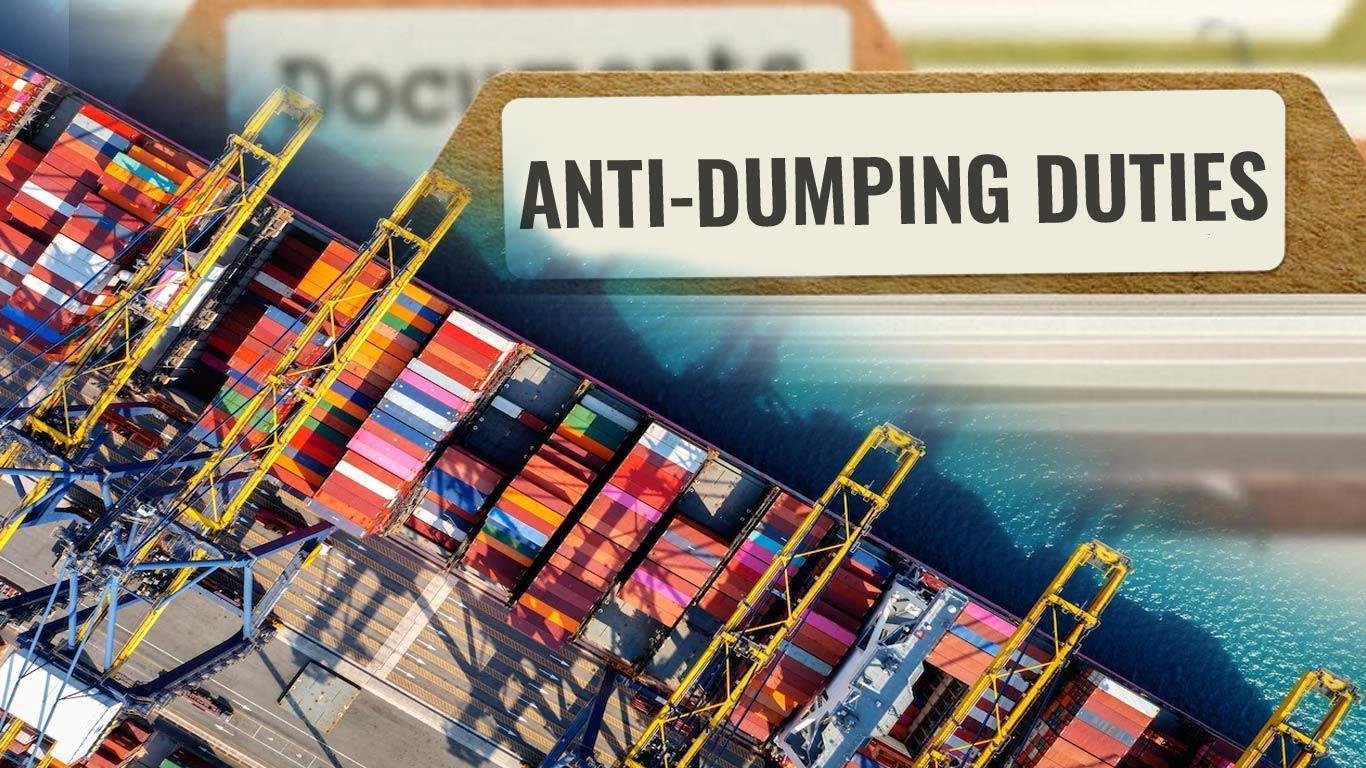
The United States Department of Commerce has issued its final affirmative determinations in the anti-dumping (AD) and countervailing duty (CVD) investigations into L-lysine imports from China, concluding that Chinese producers exported the amino acid at unfairly low prices while benefiting from government subsidies. The decision introduces steep trade remedies that are expected to significantly alter the competitive landscape for Chinese L-lysine suppliers in the US market.
The final anti-dumping determination, announced on July 21, 2026, assigns weighted-average dumping margins ranging from 73.55 percent to 139.83 percent for Chinese producers and exporters. After adjusting for export subsidies, the corresponding cash deposit rates range from 73.37 percent to 139.65 percent, substantially increasing the cost of exporting Chinese L-lysine to the United States.
In its parallel countervailing duty investigation, the Department of Commerce determined that Heilongjiang Wanlirunda Biotechnology Co., Ltd. and Shouguang Golden-land Industry & Trading Co., Ltd. received countervailable subsidies at a rate of 82.11 percent, while Inner Mongolia Eppen Biotech Co., Ltd. and all other Chinese exporters and producers were assigned a subsidy rate of 48.21 percent. The investigation covers products classified under US Harmonized Tariff Schedule code 2922.41.0090.
The final determinations conclude an investigation initiated on June 18, 2025, when the US Department of Commerce launched anti-dumping and countervailing duty probes into Chinese L-lysine imports. Preliminary countervailing duty findings were issued on January 16, 2026, followed by preliminary anti-dumping determinations on March 3, 2026, before the issuance of the final rulings.
The anti-dumping order assigns the highest dumping margin of 139.83 percent to multiple producer-exporter combinations. These include Anhui BBCA Biochemistry Co., Ltd. exporting through Zhengzhou Longgu Trading Co., Ltd.; the Eppen Group, comprising Heilongjiang Eppen Biotech Co., Ltd., Inner Mongolia Eppen Biotech Co., Ltd. and Ningxia Eppen Biotech Co., Ltd., exporting through Zhengzhou Longgu Trading; and Shouguang Golden Corn Biotechnology Co., Ltd. exporting through both Zhengzhou Longgu Trading Co., Ltd. and Zhengzhou Heshu Stockbreeding Development Co., Ltd.
A second group of exporters received a 73.55 percent dumping margin. These include shipments from Anhui BBCA Biochemistry, Heilongjiang Wanlirunda Biotechnology, and the Eppen Group exported through Agromate SG Pte. Ltd., as well as Shouguang Golden Corn Biotechnology through Ainore (Tianjin) Trading Co., Ltd.
The same 73.55 percent dumping rate also applies to exports involving Aollen Biotech Co., Ltd., including products supplied by Anhui BBCA Biochemistry, Changchun Dahe Biotechnology Development, Henan Jinyufeng Biotechnology, Jilin Meihua Amino Acid, Qiqihar Longjiang Fufeng Biotechnology, Zhucheng Dongxiao Biotechnology, the Eppen Group, and Heilongjiang Wanlirunda Biotechnology. In addition, exports handled by Pegasus Ltd. from the Eppen Group, Shandong Shouguang Juneng Golden Corn Development, and Qiqihar Longjiang Fufeng Biotechnology were also assigned the same duty rate.
The Department also established a China-wide anti-dumping rate of 139.83 percent, applying the highest duty level to exporters that did not qualify for separate rates.
The final measures substantially increase the trade barriers facing Chinese L-lysine suppliers in one of the world's key feed additive markets. Exporters subject to the highest anti-dumping and subsidy rates are expected to experience a sharp rise in landed costs, potentially reducing their competitiveness in the United States and prompting greater focus on alternative export destinations.
The ruling also has broader implications for the global amino acids industry. With Chinese suppliers facing significantly higher duties, feed manufacturers and importers may diversify procurement toward producers in other regions, while Chinese manufacturers could redirect export volumes to markets outside the United States. The decision further reinforces the increasing use of anti-dumping and countervailing duty measures in strategically important agricultural input sectors as governments intensify scrutiny of international pricing practices and industrial subsidies.