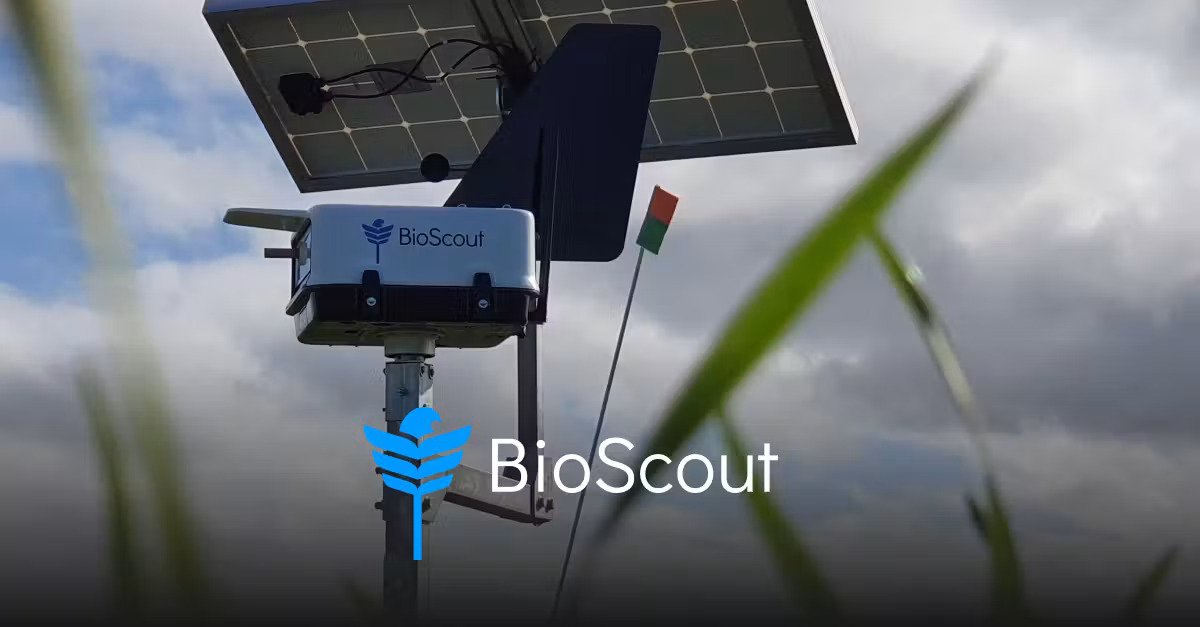
Australian agtech company BioScout has raised A$6.75 million in fresh capital to accelerate international expansion of its crop disease-surveillance technology, as growers increasingly look for ways to identify fungal threats before they become costly outbreaks. The latest funding round marks another step in the evolution of the University of Sydney spinout, which has developed an in-field monitoring network designed to detect airborne agricultural pathogens in real time. BioScout says its technology is aimed at addressing a persistent problem in crop production: farmers often have to treat disease risks before they can see them.
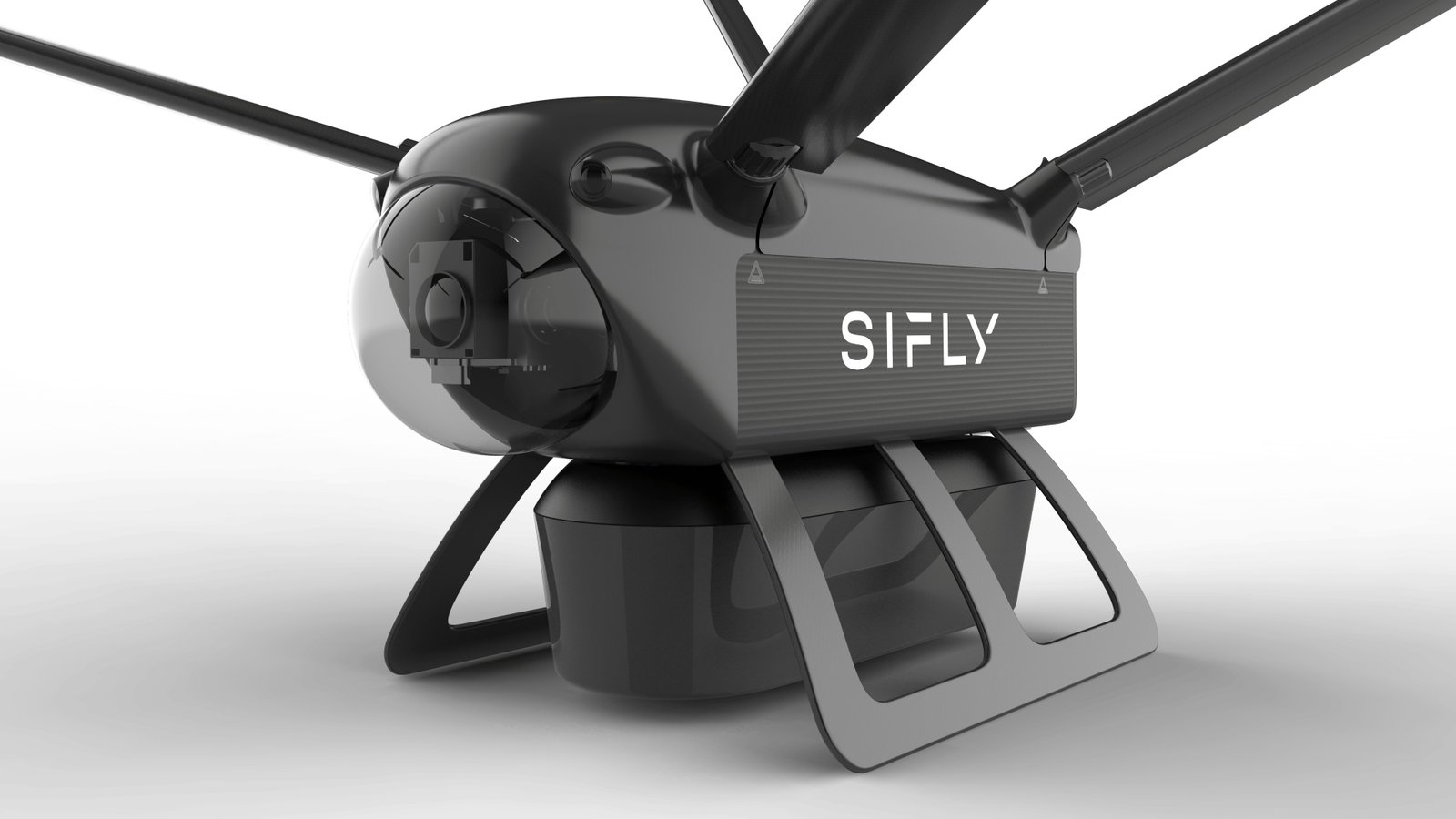
Fungal disease is estimated to account for around 20 per cent of global food losses each year, while growers collectively spend approximately $25 billion annually on fungicides. BioScout's approach is built around providing earlier information about disease pressure, allowing farmers to make more targeted decisions about when and where crop protection products are required. The company currently has more than 250 sensors operating across five continents. Designed and manufactured at BioScout's facility in Marrickville, Sydney, the units continuously analyse the air for more than 40 airborne agricultural threats.
The company says the technology can help growers reduce fungicide spraying costs by up to 50 per cent, with potential savings running into thousands of dollars per hectare depending on the crop and disease pressure. The new capital will support BioScout's international growth and the expansion of its surveillance network to 1,000 sensors by 2029. The ambition is to establish coverage across major agricultural production regions worldwide, creating a larger disease-monitoring network capable of generating increasingly valuable real-time information for growers.
The funding round was co-led by Demea Sustainable Investment and Astanor, with additional participation from GrainInnovate, on behalf of the Grains Research and Development Corporation, GrainCorp Ventures, Hort Innovation, Artesian and Division Q. For BioScout, the investment represents a transition from building and validating the technology to scaling its deployment across global agriculture. Its sensors are designed to provide growers with information that can complement conventional crop scouting and weather-based disease forecasting, potentially allowing crop protection decisions to become more precise.
The expansion also reflects a broader shift in agriculture toward technologies that can reduce unnecessary input use while maintaining yields. As regulatory pressure, input costs and sustainability expectations reshape crop protection, the ability to identify disease risks earlier could become increasingly important. BioScout's growth illustrates how agricultural technology is moving from simply digitising farm records toward creating continuous streams of field-level biological data. By monitoring what is present in the air around crops, the company is seeking to give growers a clearer picture of disease risk before symptoms become visible in the field.
With its latest funding, the company now faces the larger challenge of taking that proposition from hundreds of sensors to a truly global network. If it succeeds, BioScout could turn real-time airborne disease surveillance into a more standard part of crop-management decisions across major agricultural markets.