
FMO and the Trade and Development Bank Group (TDB Group) have expanded a sustainability-linked syndicated loan for ETC Group (ETG) to $600 million, strengthening the financing base of the Africa-focused agribusiness while linking the cost of capital to measurable environmental and social outcomes.
The facility was originally signed at $394 million by FMO and TDB alongside DEG, FinDev Canada, the OPEC Fund for International Development and Proparco, with FMO Investment Management and ILX Fund participating in the transaction. Additional commitments, including an increased contribution from FinDev Canada and new participation from the Asian Development Bank (ADB), Cassa Depositi e Prestiti (CDP), Finnfund, Impact Fund Denmark (IFDK) and OeEB, have taken the facility to $600 million.
The financing is primarily directed toward ETG’s operations in Africa, with ADB supporting activities in Asia. Under the sustainability-linked structure, the interest margin is connected to ETG’s performance against agreed environmental and social targets, giving lenders a financial mechanism to track progress rather than treating sustainability commitments as a separate objective.
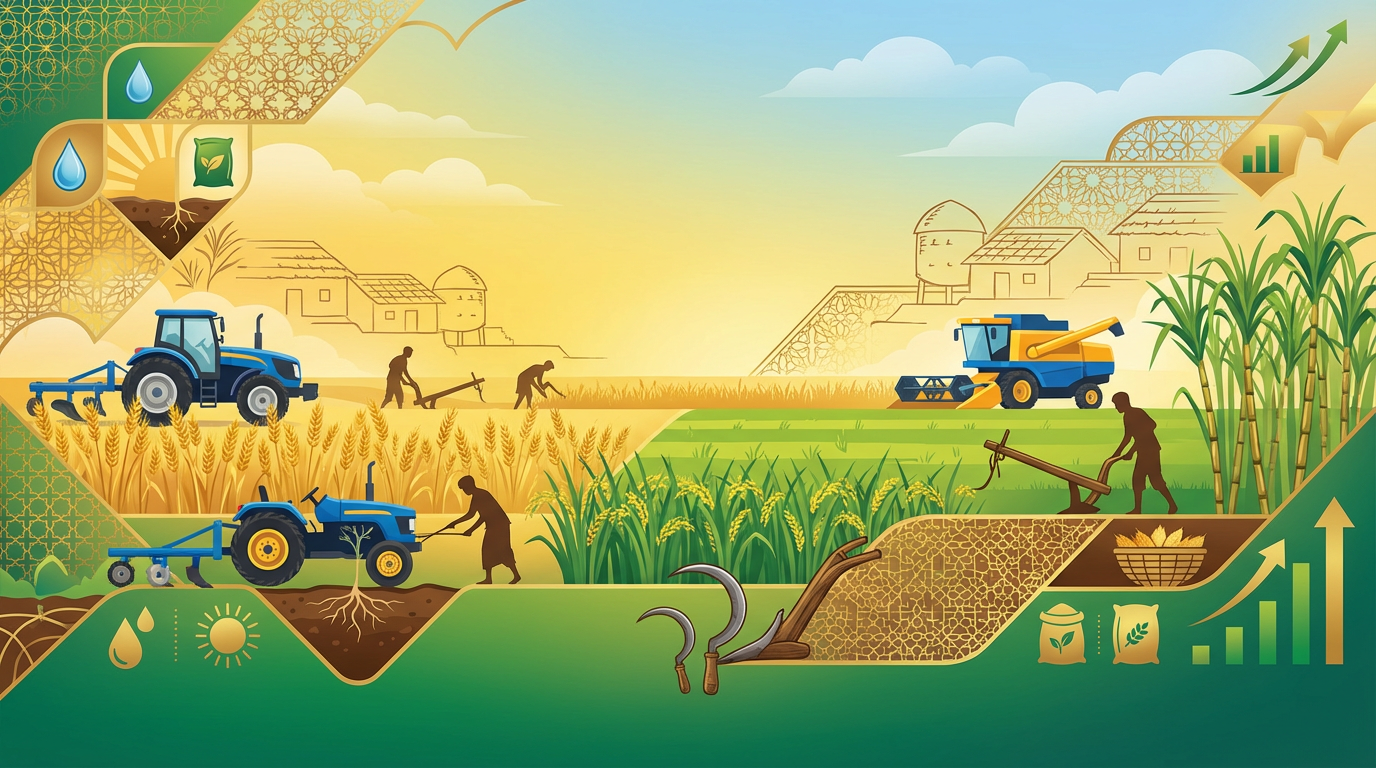
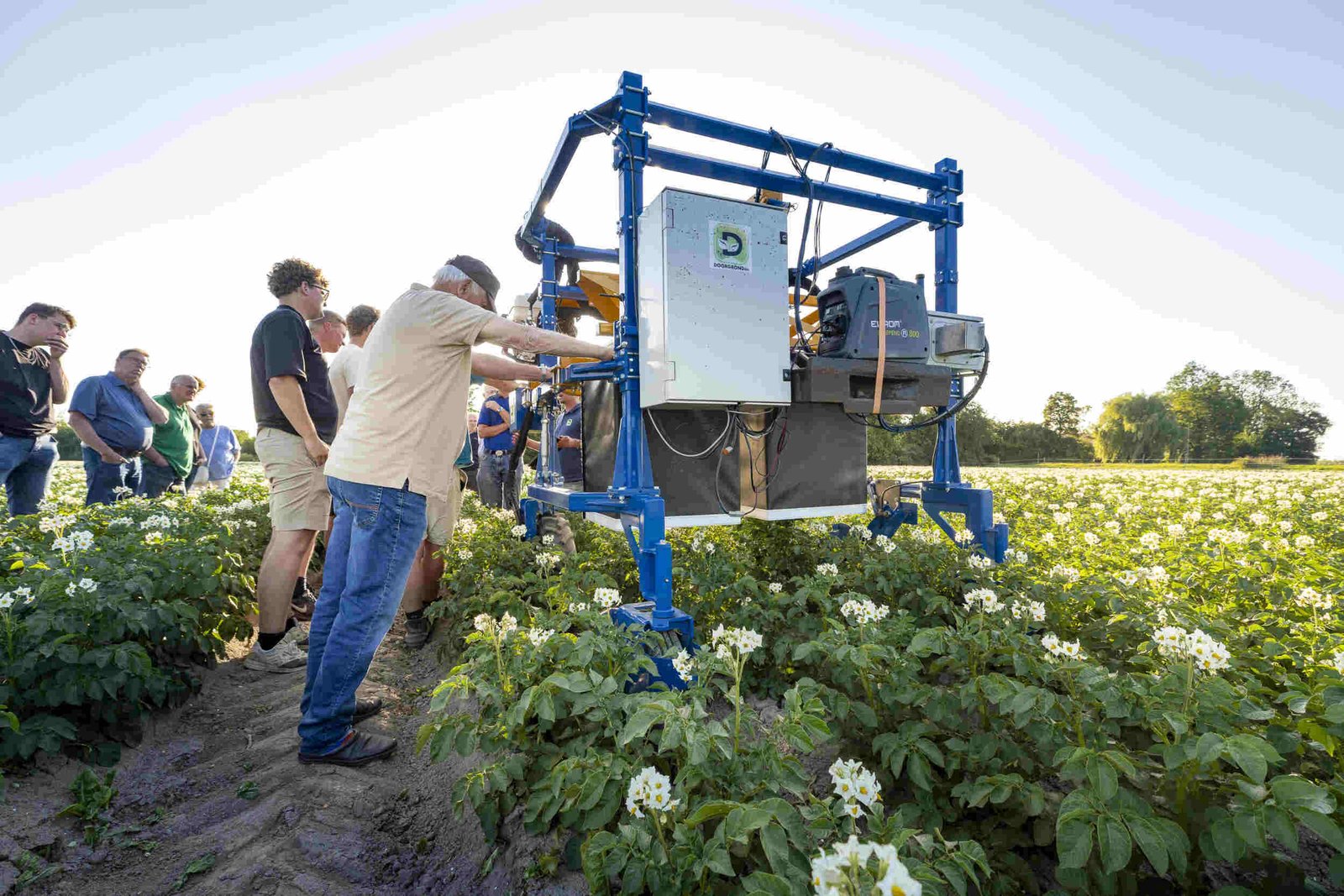
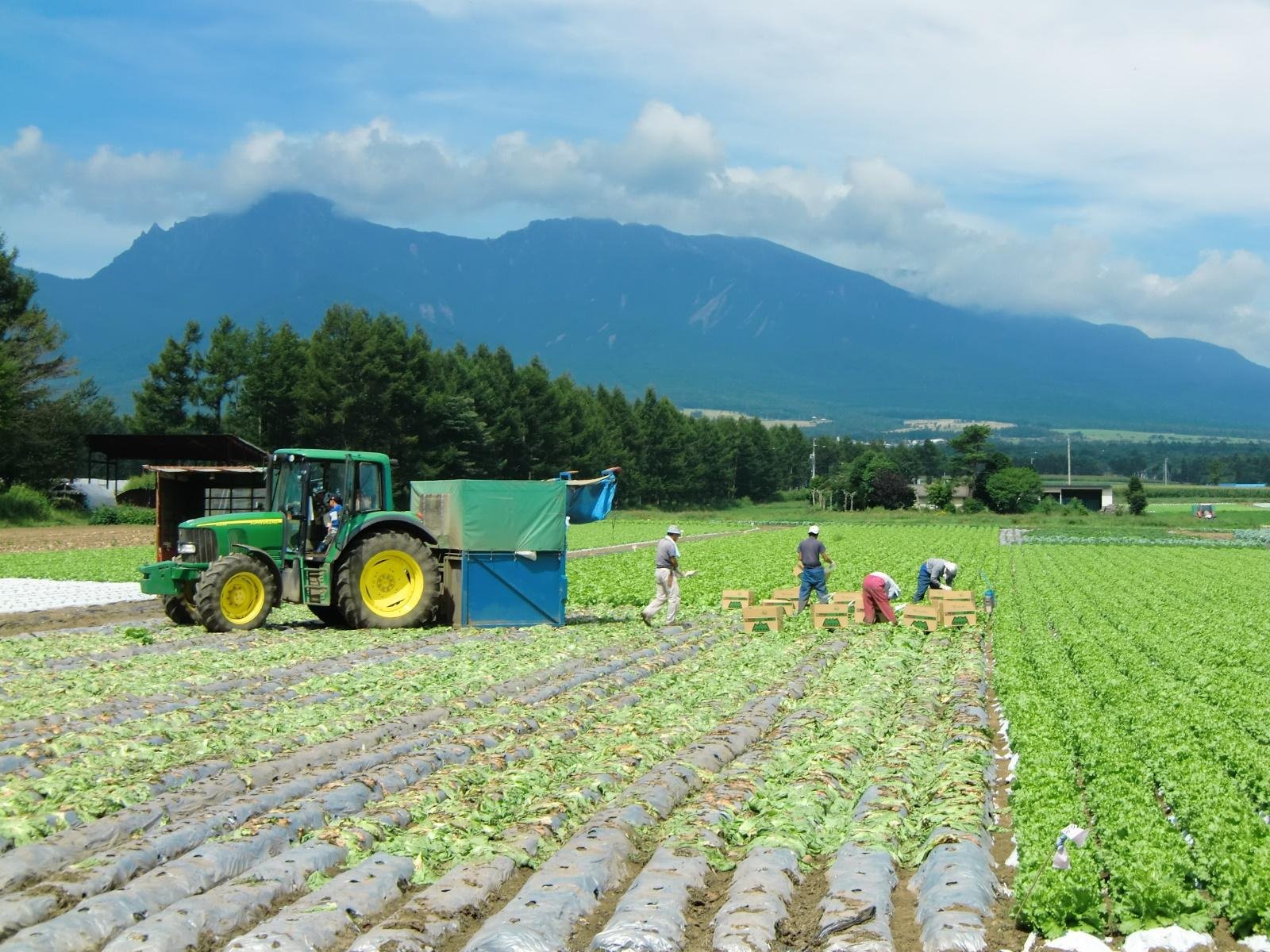
For ETG, the financing comes at a time when agricultural supply chains across Africa continue to face structural constraints. Smallholder farmers often lack reliable access to credit, quality inputs, infrastructure, advisory services and formal markets. Agribusinesses that can connect producers with buyers while providing fertilizers, seeds, training and market access therefore play a critical role in determining how much value reaches farming communities.
The facility is designed to support that role by financing ETG’s trading and supply-chain activities across commodities including grains, pulses and oilseeds, as well as fertilizers. By strengthening the movement of agricultural products into regional and international markets, the lenders expect the financing to contribute to more stable food supplies, stronger farmer incomes and greater participation by women and young people in rural economies.
Founded in Kenya in 1967, ETG has grown into a diversified international group operating in more than 50 countries across six continents. Its businesses span agricultural inputs, chemicals, logistics, processing, food and food ingredients, energy, metals, technology and supply-chain optimisation. Agriculture remains at the centre of its African operations, with the company supplying key farm inputs while linking smallholder producers to domestic, regional and global markets.
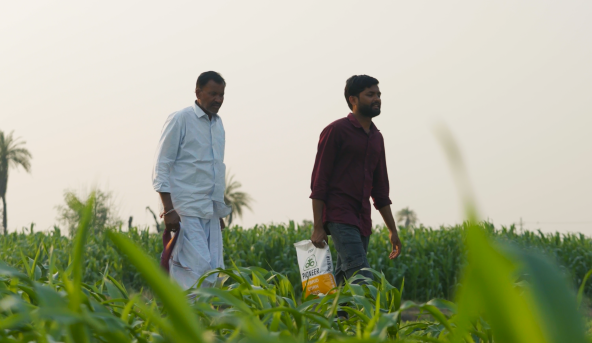
ETG has set a target of reaching one million African smallholder farmers with services intended to improve production, crop quality, traceability and climate resilience. The sustainability-linked loan provides a financing framework around that ambition, with performance targets covering areas such as farmer extension services, women's participation and land-use practices.
The facility has already exceeded several of its impact objectives, particularly those related to deforestation and reforestation and the number of farmers receiving extension services, including women. It has also supported growth in intra-African agricultural commodity trade, reinforcing the role of regional supply chains in improving food availability and market access.
“ETG plays an important role in connecting African smallholder farmers to markets, inputs and services,” said Huib-Jan de Ruijter, Co-CIO at FMO. He said the sustainability-linked structure strengthens ETG’s financing base while encouraging measurable progress on environmental and social priorities, while also demonstrating how FMO can mobilise capital with partners for sustainable private-sector development at scale.
Michael Awori, TDB’s Trade and Development Banking Chief Executive for the Eastern & Western African Region, said the expanded facility builds on the institutions’ longstanding relationship with ETG and provides financing to smallholder farmers, agribusinesses and traders involved in Africa’s evolving food systems.
ETG Chief Treasury Officer Paul Van Spaendonk said the company remained committed to Africa despite its rapid international expansion, adding that its partnerships with development finance institutions would help it address climate change and land conservation while creating longer-term value across the markets in which it operates.
For the participating development finance institutions, the transaction also reflects a broader focus on using private-sector capital to address agricultural productivity, employment and food-security challenges. Finnfund said its investment aligns with its focus on agriculture as a sector capable of generating jobs, improving food security and supporting sustainable economic development in emerging markets. The institution highlighted ETG’s reach across agricultural value chains as a channel for improving farmer market access, productivity and resilience.
Impact Fund Denmark similarly pointed to the financing structure as a way of attaching measurable incentives to ETG’s sustainability objectives, including stronger support for women farmers, expanded advisory services and reduced deforestation.
ADB’s participation broadens the facility beyond Africa, with the bank supporting smallholder farmers in India and Vietnam through access to more sustainable production practices, certification and formal market opportunities. The financing also aims to strengthen climate resilience among producers in Asia and expand opportunities for women farmers.
OeEB, which has maintained a longstanding relationship with ETG, said the financing would support access to essential food commodities, local businesses and farmers while contributing to economic resilience in the markets where ETG operates.
The expanded facility illustrates the growing role of development finance institutions in backing agricultural companies that sit between smallholder farmers and global commodity markets. For ETG, the $600 million financing package provides additional working-capital capacity; for its lenders, the sustainability-linked structure creates a framework for tying that capital to measurable progress in farmer services, land conservation and more resilient agricultural value chains.