SiFly Aviation has raised $20 million in Series A financing as the drone maker moves to scale production of its long-endurance Q12 electric aircraft and expand its technology into commercial applications ranging from agriculture and infrastructure inspection to public safety.
The round was led by Shield Capital, with participation from Qudit, BBK Capital and Alumni Ventures, among others. The company plans to use the capital to expand U.S. manufacturing, strengthen its domestic supply chain, accelerate customer deliveries and build the commercial infrastructure needed to support wider deployment of the Q12.
At the centre of SiFly’s strategy is a simple proposition: drones that can stay airborne significantly longer can cover more ground with fewer aircraft, operators and launches.
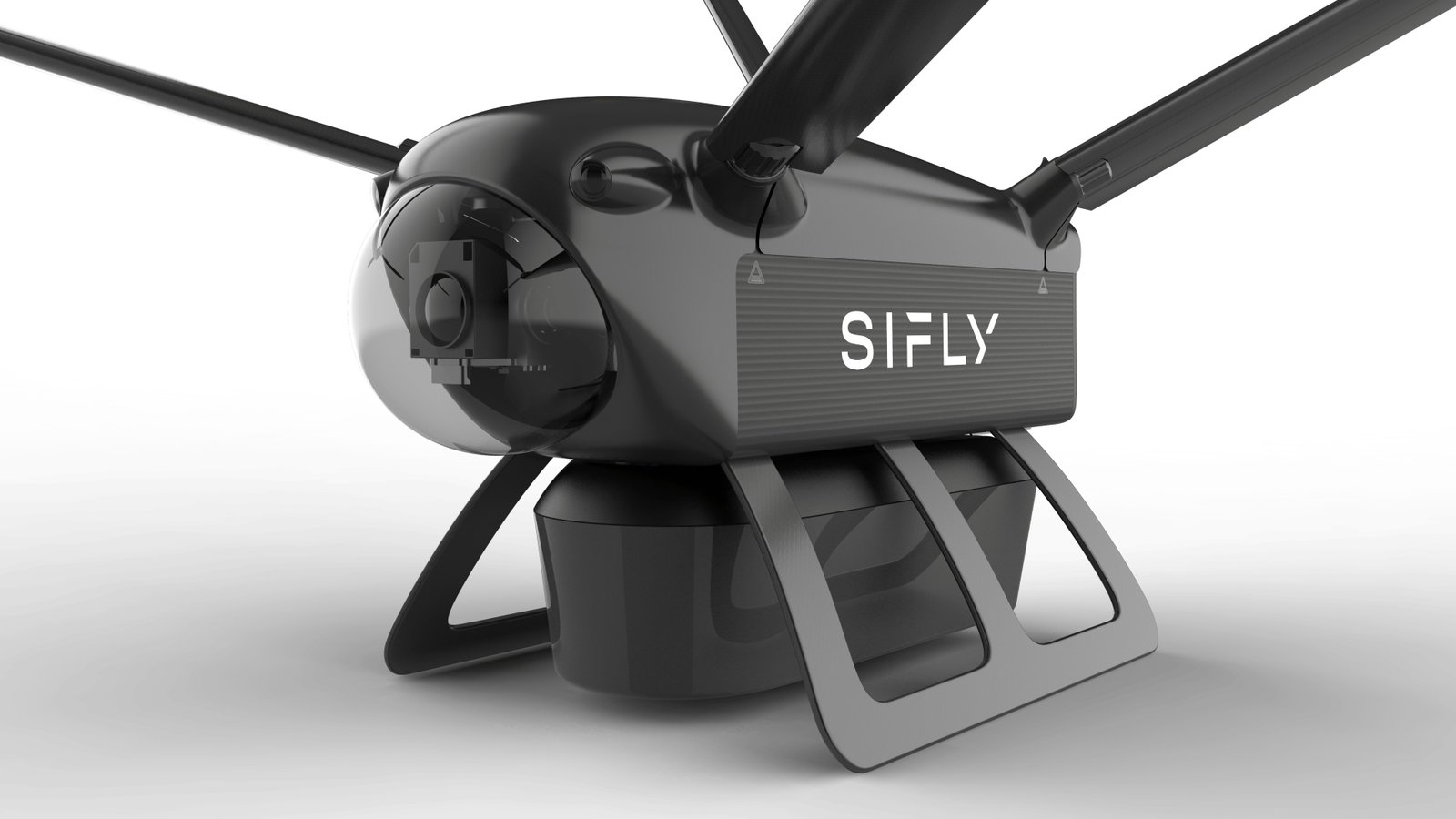
The Q12 is designed to combine the vertical takeoff, landing and hovering capabilities of a multirotor with the efficiency and range associated with fixed-wing aircraft. SiFly says the platform can fly four to five times longer and up to 10 times farther than leading enterprise drones, while carrying payloads of up to 10 pounds.
The company has validated the aircraft through thousands of flights and hundreds of hours of testing. In one flight, the Q12 remained airborne for 3 hours, 11 minutes and 54 seconds, earning a Guinness World Record for the longest flight by an electric multirotor aircraft in its weight class.
“Most multirotor drones were designed for short flights close to the operator. We built the Q12 to combine the agility, precision hover and vertical takeoff and landing of a multirotor drone with the efficiency, range and speed of a fixed-wing aircraft,” said Brian Hinman, founder and CEO of SiFly. “This financing allows us to scale production, fulfill our growing backlog and support successful customer deployments.”
For agriculture, endurance can translate directly into operational efficiency. A drone capable of remaining in the air for longer periods can map and analyse more acreage in a single mission, potentially reducing the number of aircraft, launches and operators required to complete the same work.
The opportunity extends beyond farming. Utilities and infrastructure operators can use longer-range aircraft to inspect greater distances per flight, while public safety agencies can maintain aerial coverage for longer periods during emergencies.
SiFly is also developing DronePort, a multi-drone infrastructure system designed to extend the capabilities of autonomous and remotely operated drone deployments. The company will use part of the new financing to continue development and field validation of the system.
For public safety applications, the combination of Q12 and DronePort could support more persistent Drone-as-First-Responder operations, allowing agencies to deploy aerial systems for surveillance and response without relying entirely on conventional crewed aircraft or keeping personnel in the air.
The funding arrives as commercial and government buyers are placing greater emphasis on domestic drone manufacturing and resilient supply chains. Geopolitical tensions and concerns over dependence on overseas components have increased interest in U.S.-manufactured alternatives, particularly for mission-critical applications.
SiFly is positioning its domestic production capabilities alongside the Q12’s endurance as part of that pitch. Rather than competing solely on aircraft specifications, the company is targeting applications where the economics of each mission matter—whether that means inspecting more infrastructure, responding faster to an incident or covering more farmland in a single flight.
“For drone operators, greater endurance translates into faster response, broader coverage and lower cost per mission,” said Ray Rothrock of Shield Capital. “SiFly is positioned to redefine how drones are used across mission-critical applications—including public safety, critical infrastructure and agriculture—where value is directly tied to the productive work each aircraft can deliver.”
The next phase will be about turning technical performance into repeatable commercial deployments. SiFly plans to increase Q12 production, expand manufacturing and supply-chain capacity, support initial customer deliveries and strengthen its go-to-market and customer-operations capabilities.
The company will also continue developing DronePort and building the regulatory capabilities needed to support broader adoption.
For SiFly, the larger opportunity is not simply to build a drone that flies longer. It is to change the economics of how commercial drones are used. If a single aircraft can stay in the air for hours, cover substantially more territory and carry meaningful payloads, the value proposition shifts from owning more drones to getting more productive work from each one.
That distinction could prove particularly important in agriculture and infrastructure, where the cost of operating a drone is measured not only by the aircraft itself, but by the people, time and logistics required to keep it working.