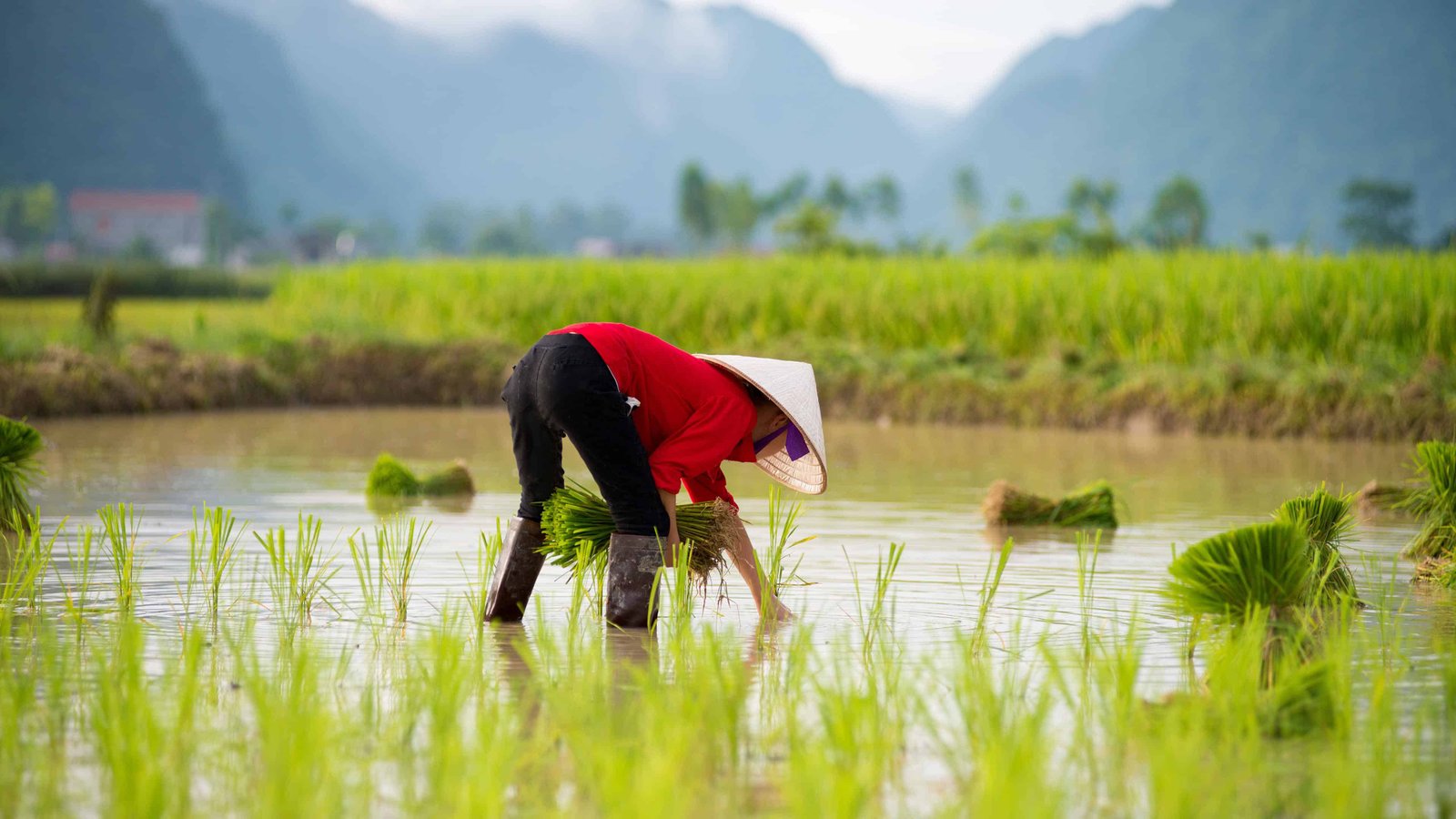
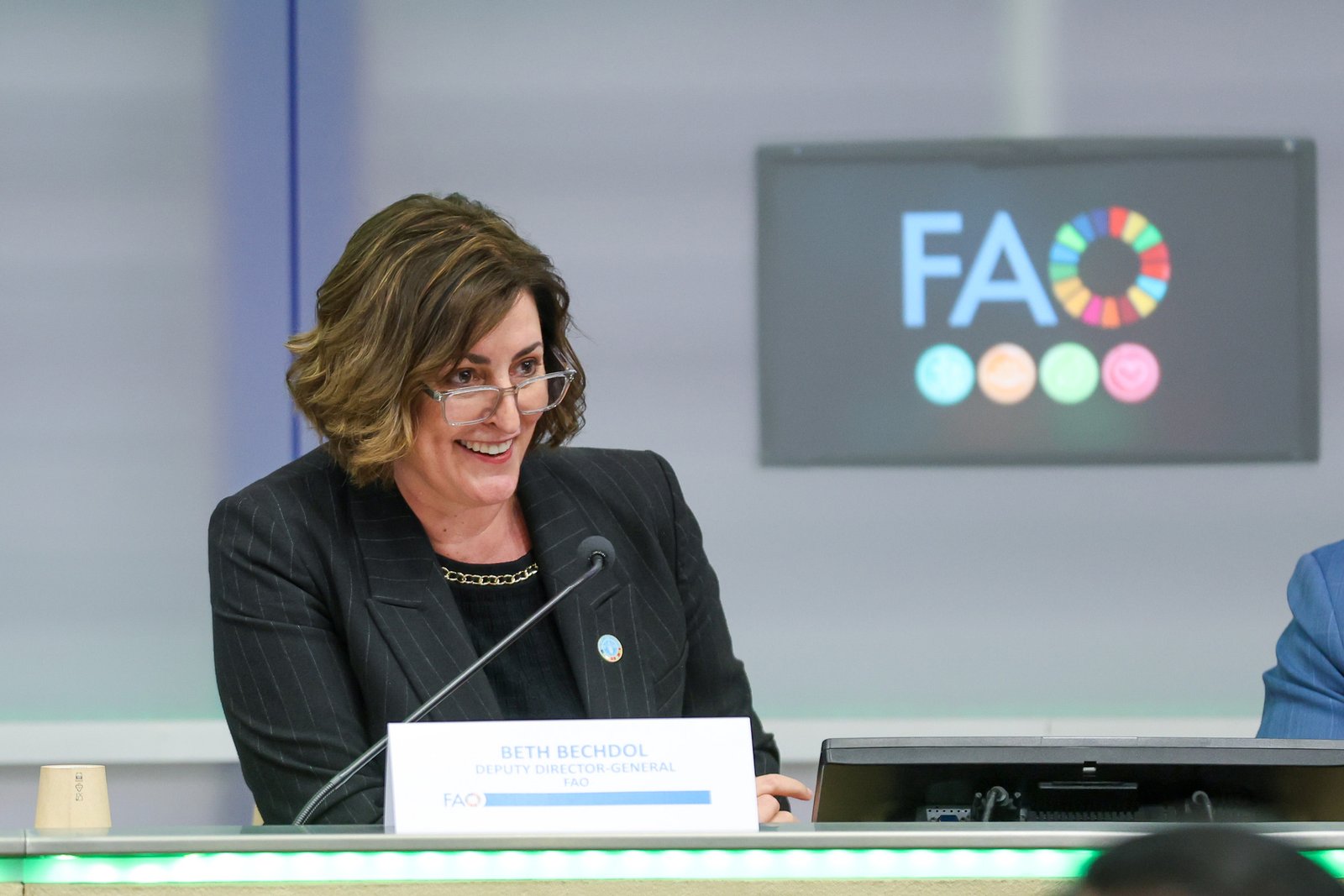
Restoring rangelands and desert landscapes is central to food security, livelihoods and resilient rural economies, FAO Deputy Director-General Beth Bechdol said on Monday at the 17th Conference of the Parties (COP17) to the UN Convention to Combat Desertification (UNCCD).
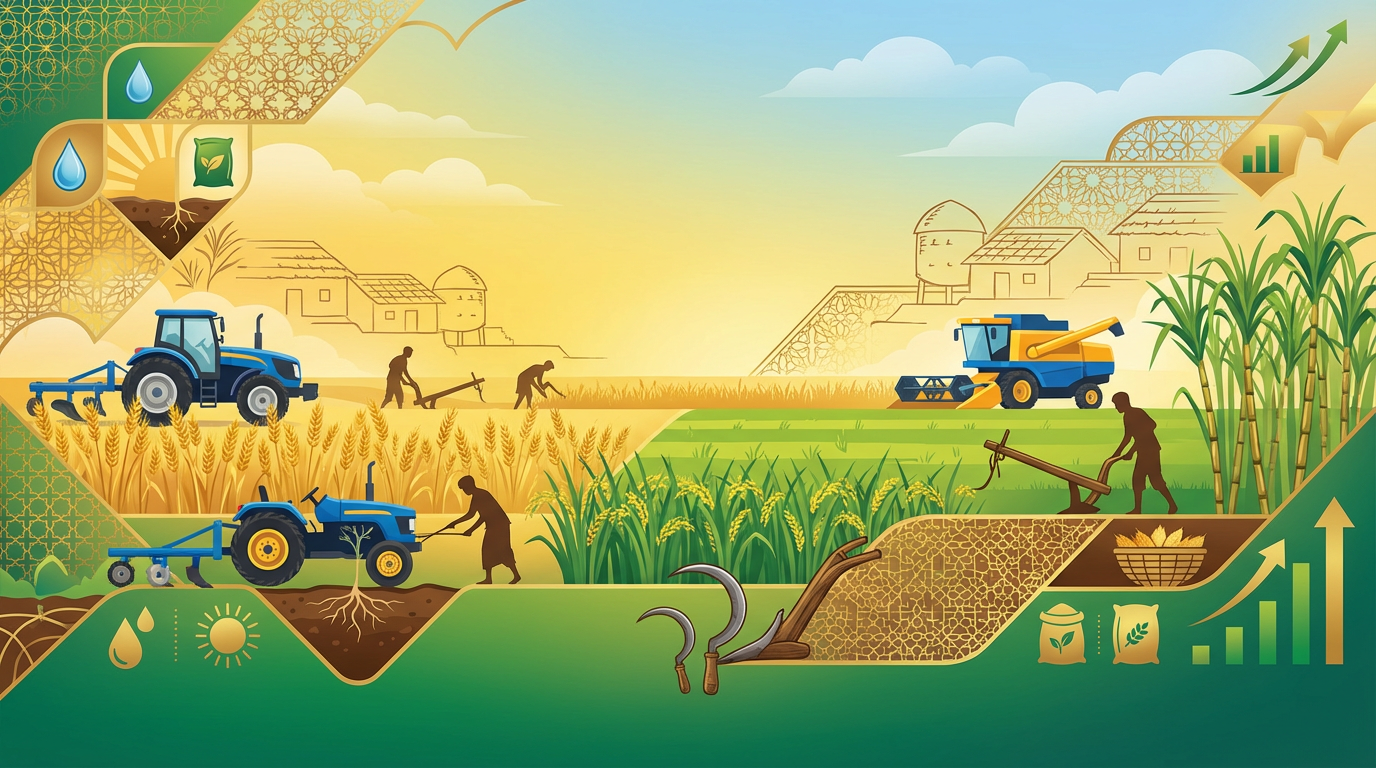
Some 60 percent of the 1.66 billion hectares of land degraded by unsustainable land use and management are agricultural land, including cropland and pastureland. Reversing just 10 percent of that degradation could feed an additional 154 million people each year, according to FAO.
The two-week event aims to mobilize policy action and investment to restore degraded land and sustainably manage land, soils and water, while meeting growing demand for food, feed and fiber.
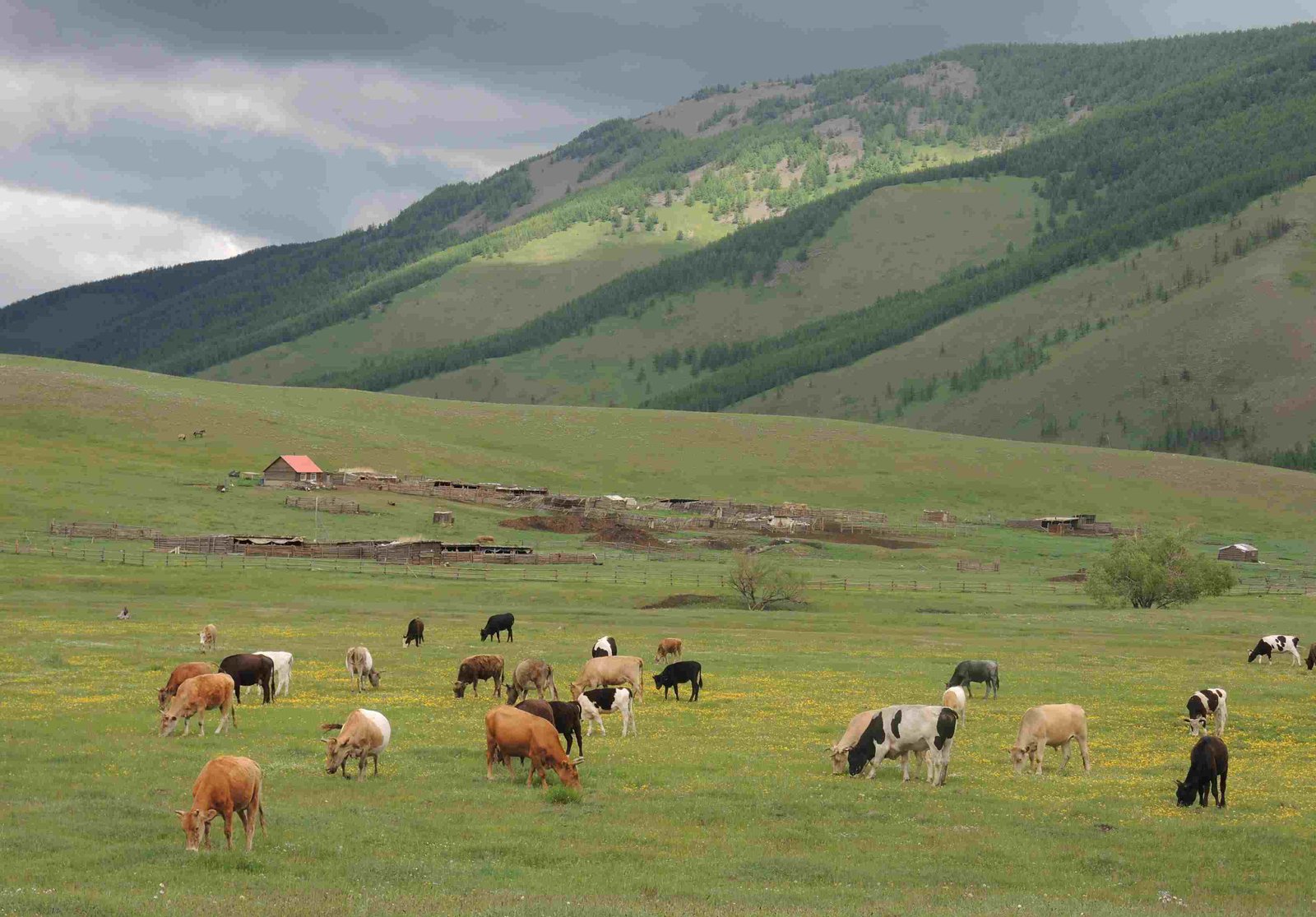
In a keynote speech at the launch of the Rangelands Flagship Initiative, which aims to significantly increase investment to achieve Land Degradation Neutrality, Bechdol said: “Restoration cannot simply mean making degraded land green again. What grows matters. The diversity and quality of grasses, forage and other vegetation matter - for livestock, for biodiversity and for the long-term productivity and health of these ecosystems.”
She also emphasized the importance of recognizing pastoralists as partners, leaders and decision-makers in the sustainable management and restoration of rangelands.
FAO welcomes the initiative’s three pillars: a shared knowledge agenda, an investment platform to mobilize public and private financing, and a Coalition on Rangelands and Pastoralists to bring key stakeholders around a common vision.
FAO has led the International Year of Rangelands and Pastoralists 2026, which has generated significant visibility and momentum. Now it is time to ensure that this momentum endures and leads to investments and partnerships that deliver results for rangeland ecosystems and pastoral communities, Bechdol said.
The Great Green Wall
Earlier on Monday, Bechdol participated in a high-level side event focused on restoring African landscapes, in particular by scaling up the Great Green Wall initiative across the Sahel, which FAO has supported with practical action on the ground since 2007.
The Deputy Director-General highlighted FAO’s leadership of Open DEAL – Data for Environment, Agriculture and Land, the first continental-scale biophysical baseline assessment of land use in Africa. It assessed more than 300,000 sampling points using very high-resolution satellite imagery, identifying 162 million hectares of degraded land in the Sahel Great Green Wall area that require restoration.
FAO is working with partners, including the Pan-African Agency of the Great Green Wall, to develop an integrated monitoring and reporting system using advanced technologies to track progress and results, with information accessible to all.
Ultimately, delivery depends on finance, but significant technical de-risking can be undertaken even before funding decisions are made, Bechdol noted. FAO’s role, she said, “is to help create the conditions that make capital more likely to move – and more likely to succeed once it does.”