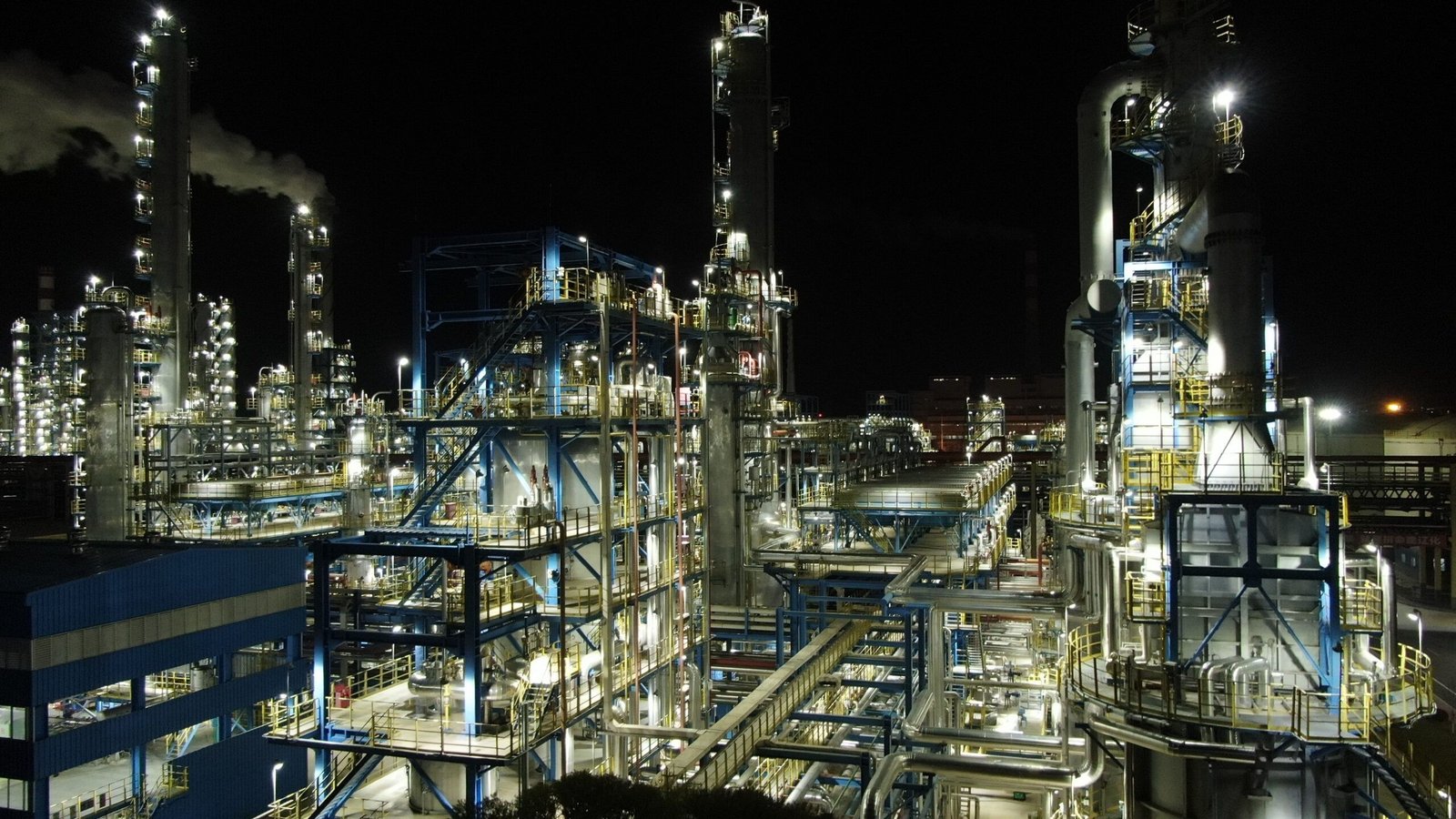

Axens has announced plans to develop France's first industrial-scale sustainable aviation fuel (SAF) production facility based on advanced bioethanol, marking a significant expansion of the country's alternative aviation fuel capacity as demand for low-carbon fuels accelerates across Europe. Known as the ERA (Ethanol to Refuel Aviation) project, the proposed facility will have an annual production capacity of 50,000 tonnes of SAF and is scheduled to begin commercial operations in 2030. The project is currently in the site selection and engineering phase, with the final location expected to be confirmed in France.
The investment represents Axens' latest initiative to strengthen industrial capabilities for sustainable transport fuels while supporting the aviation sector's transition toward lower greenhouse gas emissions.
Diversifying Sustainable Aviation Fuel Feedstocks
The ERA project addresses one of the aviation industry's growing challenges: expanding sustainable aviation fuel production beyond conventional feedstocks. Most commercially available SAF today is produced through the Hydroprocessed Esters and Fatty Acids (HEFA) pathway, which relies primarily on used cooking oil and animal fats. While the HEFA route has enabled the early deployment of SAF, limited feedstock availability has prompted the industry to explore additional production technologies capable of supporting future demand.
Axens' new facility will instead utilise advanced bioethanol produced from European biomass-based feedstocks, broadening the range of renewable raw materials available for SAF production and reducing dependence on waste oil supplies. The company said the project will contribute to strengthening both the resilience of European aviation fuel supply chains and the region's long-term energy security.
Proprietary Jetanol Technology at the Core
The plant will be developed through a dedicated project company named SAFIRIS and will employ Jetanol technology, jointly developed by Axens and the IFP Energies nouvelles (IFPEN). Originally proven across petrochemical applications, the technology has been further optimised to maximise sustainable aviation fuel yields from ethanol while supporting industrial-scale production. By converting advanced ethanol into aviation-grade fuel, the technology offers an alternative production pathway capable of complementing existing SAF manufacturing routes as airlines face increasing regulatory and decarbonisation requirements.
Building on France's Biofuel Investment Strategy
The ERA project forms part of Axens' broader strategy to expand renewable fuel production in France. It complements the company's NACRE project, an advanced bioethanol production facility planned for the Lacq industrial site, which has already secured its construction permit. Together, the two projects are intended to strengthen France's domestic biofuel value chain by integrating advanced bioethanol production with downstream sustainable aviation fuel manufacturing. This vertically connected approach is expected to improve feedstock availability while supporting the development of a domestic SAF industry aligned with European climate objectives.
Supporting Aviation's Low-Carbon Transition
As airlines, fuel producers and governments intensify efforts to reduce aviation emissions, investment in next-generation SAF technologies has become a strategic priority across Europe. By introducing an industrial-scale ethanol-to-SAF production pathway, Axens aims to diversify renewable aviation fuel supply while creating additional demand for advanced biomass-derived feedstocks sourced within Europe.
With engineering work now underway and commercial production targeted for 2030, the ERA project positions France among the countries investing in alternative SAF technologies that could play an increasingly important role in meeting future aviation decarbonisation targets and reducing reliance on fossil-based jet fuel.