
Focus on Kiwifruit and Pip Fruit Development
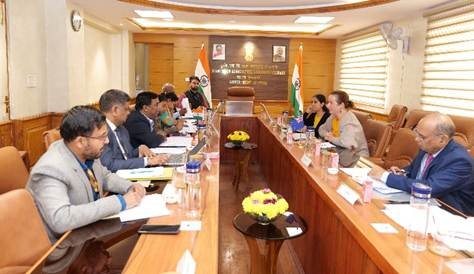
India and New Zealand have taken a significant step in strengthening their horticultural partnership by holding the inaugural meeting of the Joint Working Group (JWG) on horticulture cooperation. This development comes under the framework of the Memorandum of Cooperation (MoC) signed on 12 March 2025, signaling a focused effort to enhance bilateral ties in the agriculture sector.
The JWG meeting was co-chaired by Priya Ranjan, Joint Secretary (Horticulture), Department of Agriculture and Farmers Welfare (DA&FW), representing India, and Mr. Steve Ainsworth, Divisional Manager for Bilateral Relations and Trade, who participated virtually from New Zealand.
The meeting saw active participation from senior officials and technical experts from both nations, emphasizing a collaborative approach to advancing the horticulture sector.
A key highlight of the meeting was the identification of kiwifruit as a priority crop for India. Priya Ranjan outlined the Kiwifruit Action Plan, which includes several strategic initiatives:
- Establishment of Centres of Excellence (CoEs) to support innovation and best practices.
- Improved orchard management and productivity enhancement measures.
- Access to quality rootstock and planting material to ensure sustainable growth.
- Strengthening post-harvest management and supply chain efficiency.
The meeting also addressed the import of kiwi rootstock from New Zealand and the organization of training programs for Indian farmers and entrepreneurs in New Zealand, aimed at equipping them with advanced horticultural techniques.
Addressing the Challenges and Collaborative Solutions:
Mr. Steve Ainsworth reviewed the current challenges in kiwifruit, apple, and pear production in India. He stressed the importance of collaborative research, capacity building, and grower training as critical components of the partnership.
Additionally, he highlighted the need to enhance supply chains, quality standards, and market positioning to improve farmer incomes and productivity.
The JWG concluded with the finalization of timelines and an implementation roadmap for the Kiwifruit and Pip Fruit Action Plans. Both countries reaffirmed their commitment to strengthening horticultural cooperation in their closing remarks.
The group also identified immediate next steps and proposed a schedule for follow-up meetings and reviews to maintain momentum in this partnership.
Significance of the Collaboration
The meeting marks a pivotal moment in India–New Zealand relations, as both nations aim to leverage their expertise to address shared challenges in horticulture. By focusing on kiwifruit and pip fruit development, the collaboration seeks to create a robust framework for knowledge exchange, technical support, and market growth.
The successful conclusion of this first JWG meeting sets the stage for a structured and sustained engagement between India and New Zealand. With clear action plans and a commitment to follow-up, the partnership is poised to deliver tangible benefits for farmers, entrepreneurs, and the horticulture industry at large. This renewed focus on horticulture not only underscores the mutual benefits of cooperation but also paves the way for long-term growth in agricultural productivity and trade between the two nations.
