
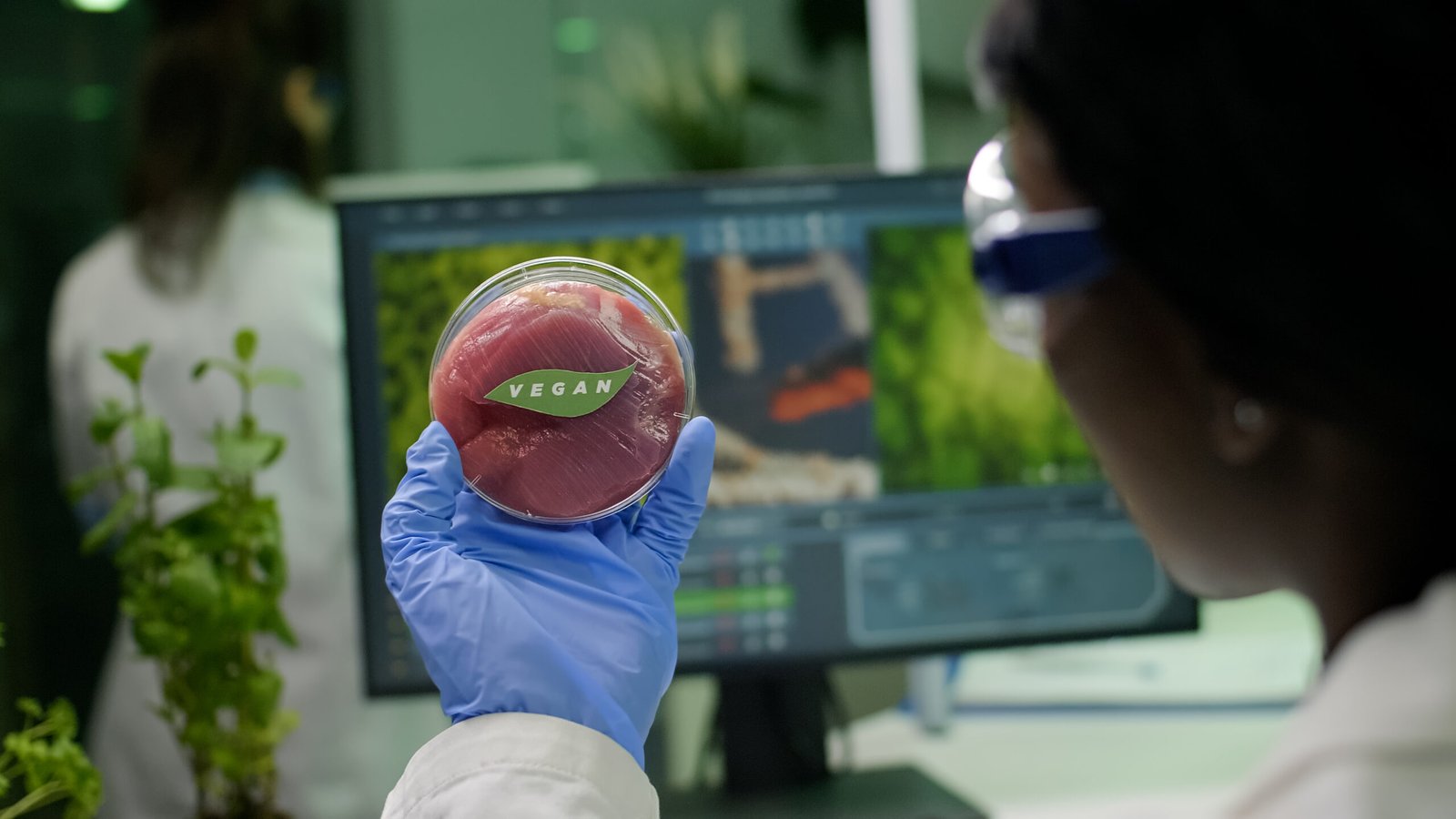
Replicating the structural and cellular complexity of traditional animal tissue
In a landmark achievement for the cultivated meat industry, South Korean company TissenBioFarm has announced the development of cultivated meat with cell density levels that match and, in some cases, surpass those of conventional meat. This milestone, achieved through innovative tissue engineering methods, addresses one of the most persistent technical challenges in the sector—replicating the structural and cellular complexity of traditional animal tissue.
Cell density has long been a critical metric in the quest to create cultivated meat that can truly rival conventional cuts. Many products under development have struggled to achieve the cellular and structural characteristics of traditional meat, which are essential for texture, taste, and consumer acceptance. TissenBioFarm’s breakthrough not only meets this challenge but also sets a new benchmark for the industry.
A New Approach to Cultivated Meat:
TissenBioFarm’s success stems from its unique approach to cultivated meat production. Rather than focusing on the accumulation of individual cells, the company has treated cultivated meat as a form of engineered tissue. This perspective aligns with the biological reality of meat, which is not merely a collection of cells but a structured tissue composed of interconnected cells. “Biologically, meat is not a simple aggregation of cells, but a form of tissue. The same principle applies to cultivated meat, which is also meat built from cells,” the company explained in a statement. This tissue-focused methodology has allowed TissenBioFarm to overcome limitations that have hindered other cultivated meat projects, which often rely on cell-centric approaches.
The company’s cultivated meat has now achieved cell densities comparable to beef cuts such as ribeye. In some cases, the cultivated meat contains more than twice the number of cells found in the same volume of conventional meat. These results were made possible by carefully controlling initial cell density conditions during the cultivation process, demonstrating the practical application of TissenBioFarm’s innovative techniques.
Implications for the Industry:
This achievement has far-reaching implications for the cultivated meat industry. Higher cell density not only improves the structural integrity of the product but also enhances its potential for better texture, nutritional content, and reduced reliance on scaffolding materials. These factors are critical for creating cultivated meat products that can compete with conventional meat in terms of both quality and cost. TissenBioFarm has suggested that this development could shift the way cultivated meat is evaluated. While cell count has traditionally been a key metric, the company argues that future discussions should also consider the functional and commercial benefits of higher cell density. These include improved sensory properties, such as juiciness and tenderness, as well as the potential for more efficient production processes. The company’s focus on tissue engineering as the foundation of its platform represents a departure from the methodologies employed by many of its peers. This approach underscores the importance of viewing cultivated meat not as a substitute for conventional meat but as a product that must be engineered with the same complexity and functionality as its traditional counterpart.
