China’s wheat-breeding efforts are gaining a new benchmark from Gansu province, where two Lantian varieties have been recognised among the country’s 2026 typical high-yield agricultural cases. Lantian 58 and Lantian 48, developed by the Wheat Research Institute of the Gansu Academy of Agricultural Sciences, were selected by the National Agricultural Technology Extension and Service Center for their performance in demonstration plots during the 2026 summer harvest.
The recognition highlights the potential of improved wheat genetics to lift productivity in challenging production environments, particularly when new varieties are combined with agronomic practices tailored to local growing conditions. The selection was announced on August 17, 2026, as part of a national programme showcasing agricultural technicians and production models that have contributed to higher yields in wheat and rapeseed.
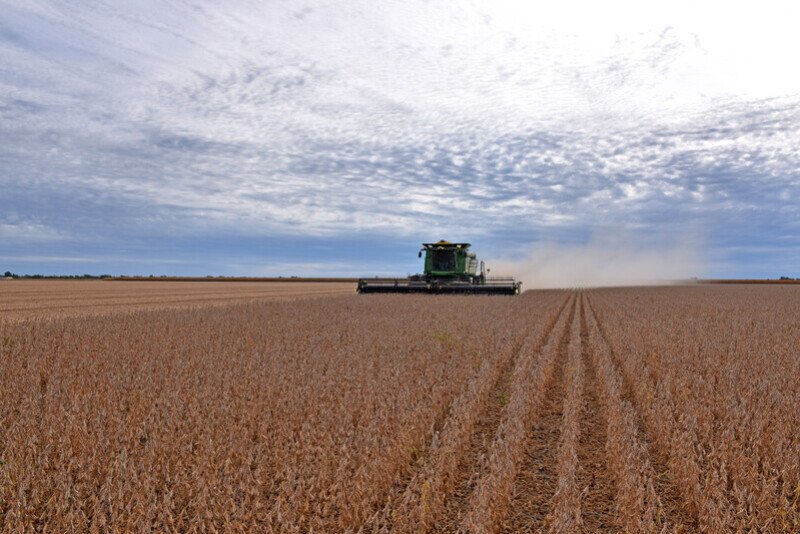
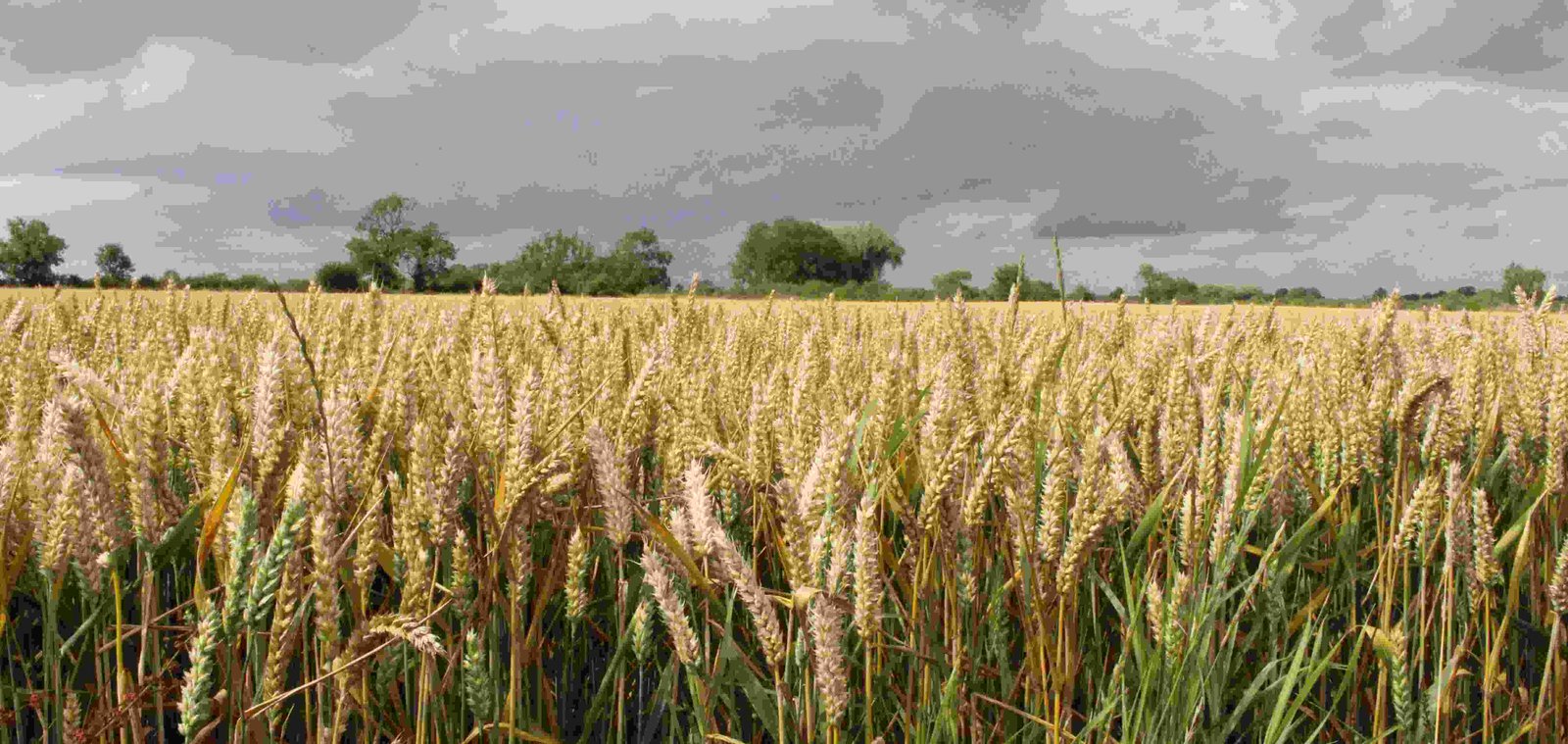
Lantian 58 delivered an average measured yield of 7,686.15 kg per hectare in a 2.10-hectare assessment area within a 16.33-hectare demonstration plot in Taiping Town, Jingchuan County, Pingliang City. Performance at the core plot was considerably higher. Across 0.2483 hectares, Lantian 58 produced an average yield of 9,457.95 kg per hectare, demonstrating the variety’s potential under high-performing field conditions.
Lantian 48 also produced a strong result. In a 1.37-hectare measured area within a 10-hectare demonstration plot in Wangchuan Town, Qinzhou District, the variety achieved an average yield of 9,085.5 kg per hectare. The results are significant because they demonstrate that yield gains in wheat can come from the interaction between crop genetics and farm management rather than from variety selection alone.
Experts from the Chinese Academy of Agricultural Sciences have highlighted the strong yield potential of the two varieties and indicated that broader adoption could help raise overall wheat productivity across the region. For Gansu, the recognition provides validation for a broader agricultural development strategy built around combining better seed genetics with appropriate cultivation techniques.
The Lantian series was recognised not simply for its genetic potential but also as evidence of an integrated model linking high-performing varieties with improved agronomic practices. The approach is increasingly relevant as wheat producers face pressure to raise yields while managing environmental and climatic constraints. The provincial academy plans to continue breeding wheat varieties with stronger resistance to production stresses and higher yield potential. It also intends to accelerate the demonstration and adoption of technologies that match varieties with appropriate agronomic systems.
That focus on variety-agronomy matching could prove important for translating isolated high-yield demonstrations into broader productivity gains. A high-performing variety may not deliver the same results across different soil, climate and management conditions, making local testing and agronomic adaptation essential to commercial-scale adoption.
The latest results also reinforce the strategic importance of seed quality for China's grain production system. By combining breeding programmes, demonstration farms and technology extension, agricultural authorities can shorten the path between research breakthroughs and field-level adoption. For Gansu, the immediate objective is to build on the Lantian varieties' performance and strengthen the foundation for future summer grain production. Continued investment in stress-tolerant and high-yield wheat genetics could help the province improve productivity while responding to the challenges associated with its growing environment.
The Lantian results offer a broader lesson for China's wheat industry: genetic improvement delivers its greatest value when it is matched with the right agronomic system. With Lantian 58 and Lantian 48 now recognised at the national level, Gansu has a stronger platform from which to expand demonstrations, refine cultivation practices and move high-performing wheat genetics into wider production.
The challenge ahead will be turning demonstration-plot performance into consistent, large-scale farm results. If that transition can be achieved, the Lantian programme could become an important contributor to regional wheat productivity and China's broader drive to strengthen grain production through improved varieties and more effective agricultural technology.