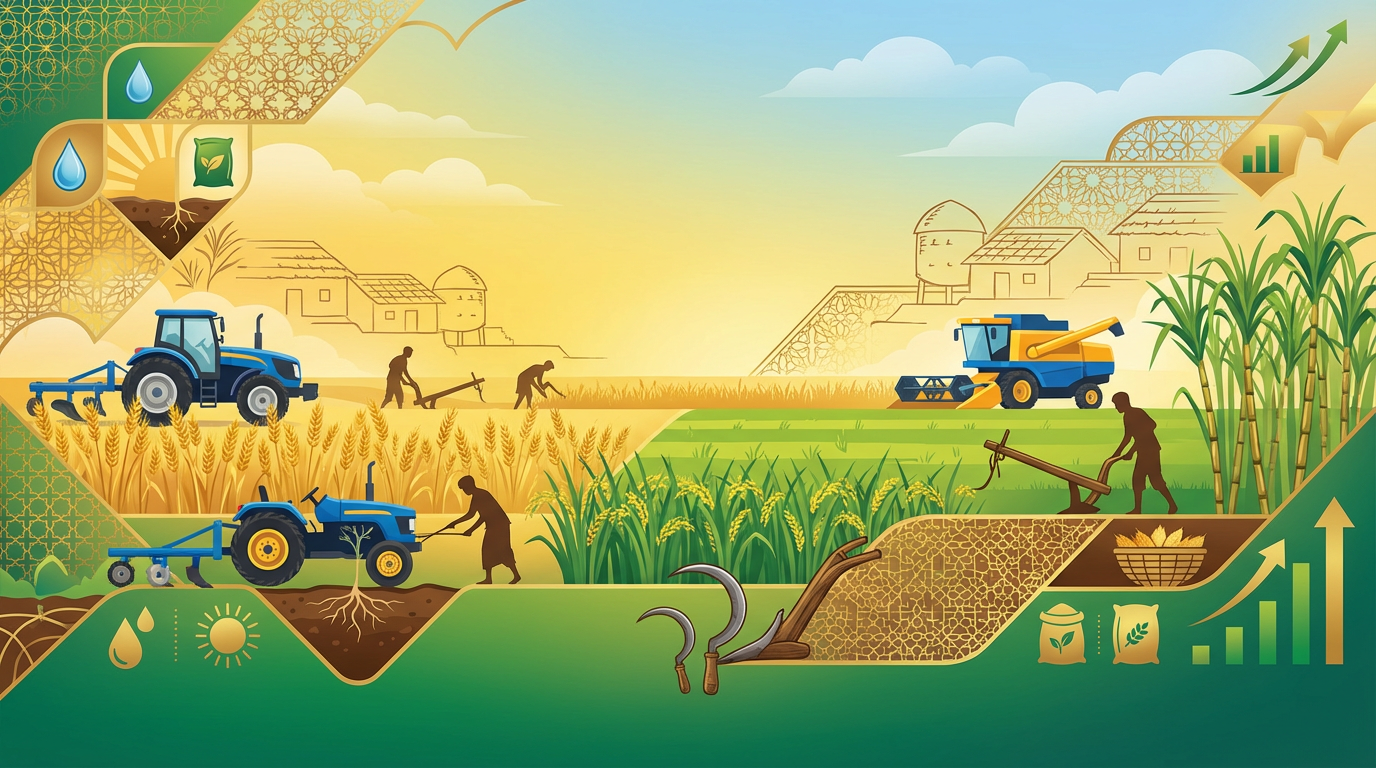
Jilin Province is stepping up its push to modernise its seed industry, launching a second round of targeted breeding projects as China places greater emphasis on improving crop genetics and strengthening the foundation of its food-production system.
The Department of Agriculture and Rural Affairs of Jilin Province, working with the Department of Science and Technology of Jilin Province, launched the second batch of modern seed industry concentrated breakthrough projects on August 19, 2026. The initiative follows the first round of projects launched in 2025 and is designed to accelerate the development of varieties considered strategically important to agricultural production.
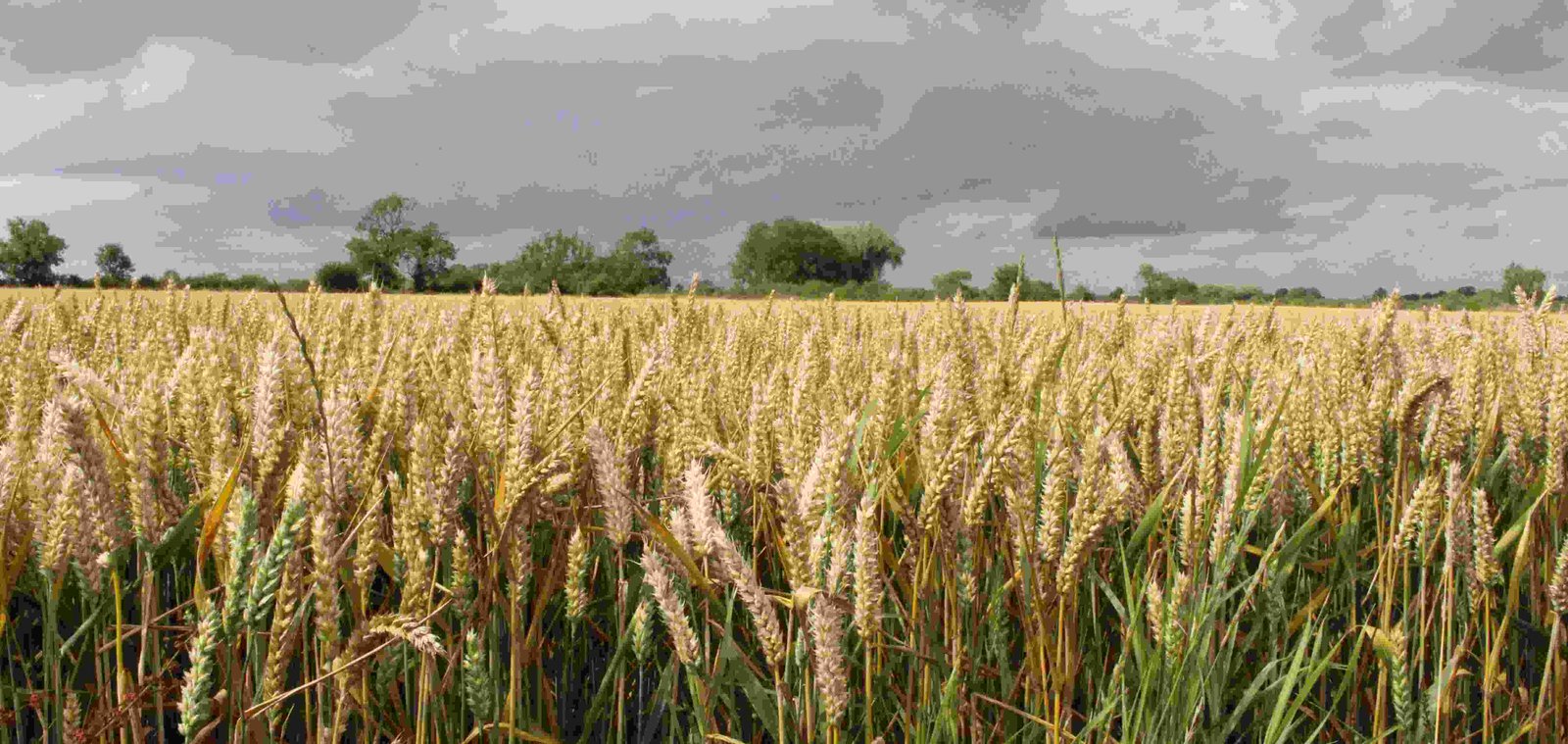
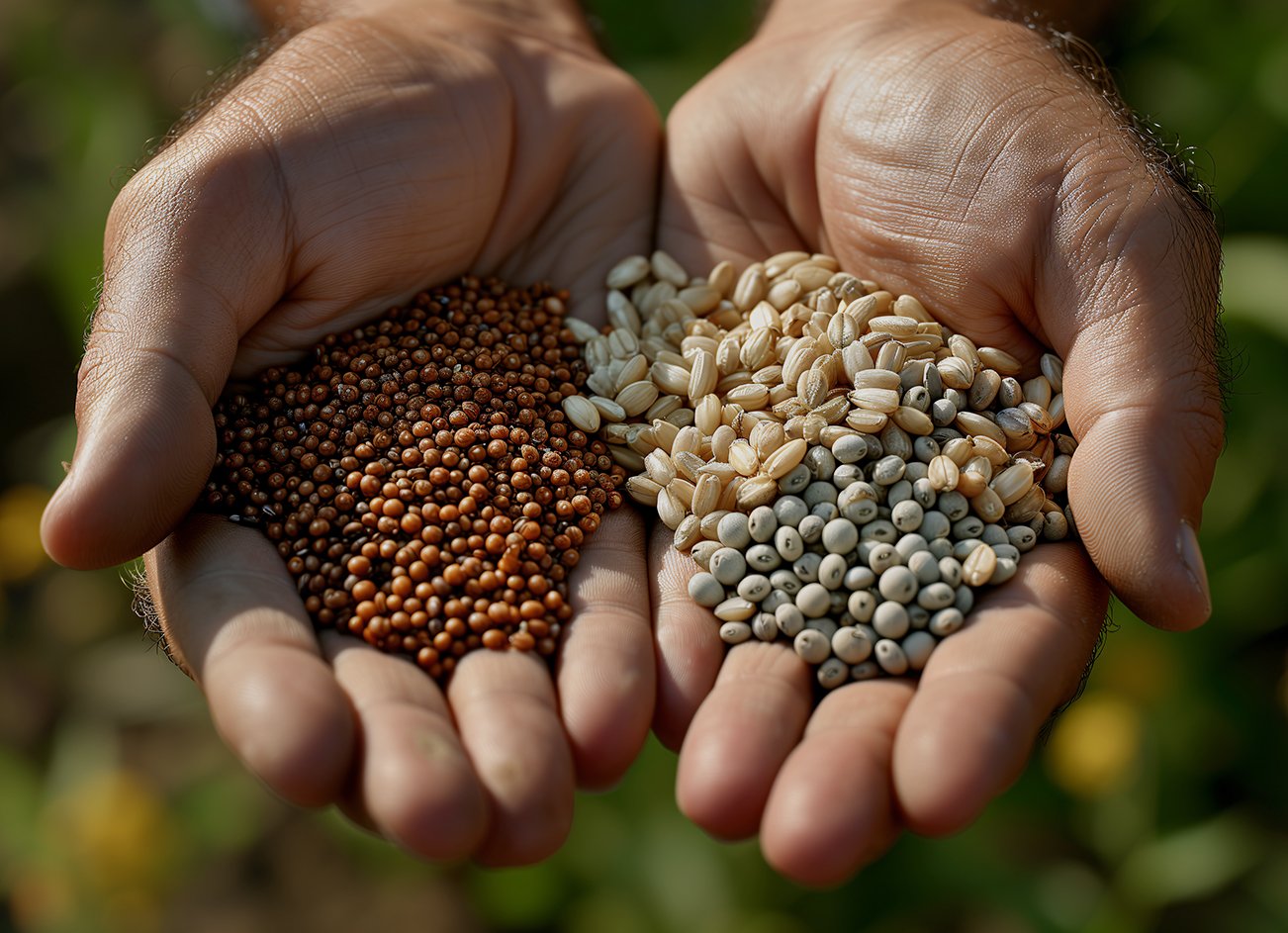
The latest programme focuses on corn, rice, soybean and sorghum, covering four major research themes and multiple technical directions. The programme is intended to move promising breeding work from research institutions into practical agricultural production, with greater emphasis on varieties that respond directly to production needs. Jilin's strategy reflects a broader shift in agricultural breeding: developing varieties is no longer being treated solely as a research exercise. Provincial authorities are pushing researchers, universities and companies to connect breeding objectives more closely with what farmers and the food-production system actually require.
The first batch of Jilin's concentrated projects began in 2025, targeting major varieties of corn, rice, soybean and edible fungi. The programme covered four topics and eight research directions and has already produced early results. Among those results are JD9625 and Jinongyu 1986, two corn varieties bred for characteristics including tolerance to dense planting, resistance to lodging and higher yield potential. Regional trials showed that the varieties delivered yield increases of more than 10% compared with control varieties.
The performance provides an early indication of what Jilin hopes its expanded breeding programme can achieve: varieties designed around the realities of commercial farming rather than developed in isolation from production conditions. The second wave builds on that foundation while expanding the crop portfolio to include sorghum alongside corn, rice and soybean. At the launch meeting, project teams presented their research objectives, technical approaches and progress, while the teams leading the new projects outlined their research foundations and collaborative pathways.
A central message from the provincial authorities was that variety development must become more closely aligned with demand. Jilin wants the evaluation of new varieties to move beyond an approach centred primarily on whether a variety can be successfully bred or approved and toward whether it can deliver measurable value in actual agricultural production. That means breeding programmes will increasingly be expected to address the needs of farmers, production systems and markets from the outset.
The province is also calling for deeper cooperation across the agricultural value chain. Research organisations, universities and enterprises are being encouraged to work together, while intelligent breeding design is being promoted as part of a more integrated innovation system. The emphasis on intelligent breeding is particularly significant as agricultural research becomes increasingly data-driven. Combining breeding science with advanced analytical and design tools could shorten development cycles and allow researchers to identify desirable characteristics with greater precision.
But Jilin's programme is not stopping at genetics. The province is also pushing for a stronger connection between improved varieties and the conditions required to maximise their performance in the field. Authorities have called for demonstration and promotion systems that bring together better farmland, better varieties, better machinery and better agronomic practices.
The objective is to identify high-yield production models that can be replicated and expanded across suitable agricultural areas. That integrated approach addresses one of the biggest challenges in agricultural innovation: a superior seed does not automatically translate into higher farm productivity.
Yield depends on how genetics interact with soil, weather, machinery, planting density, crop management and other production variables. By combining variety development with field demonstrations and appropriate farming systems, Jilin is seeking to close the gap between laboratory performance and commercial results.
The province is placing considerable responsibility on the organisations leading the projects. Project leaders and lead institutions have been identified as the primary parties responsible for delivery, with authorities calling for tighter management throughout the project cycle and more disciplined use of public funding. The programme also reflects the strategic role assigned to seed technology in China's food-security agenda.
Seed genetics sit at the beginning of the agricultural production chain. Improvements in yield, resistance and adaptation can influence output across millions of hectares, making breeding programmes a relatively powerful lever for improving productivity without requiring a proportional expansion of cultivated land. For Jilin, that makes the development of urgently needed crop varieties more than a scientific objective. It is part of the province's contribution to China's broader effort to strengthen domestic agricultural production and secure reliable seed supplies.
The province's latest programme therefore combines three priorities: faster breeding innovation, closer cooperation across the agricultural industry and stronger field-level adoption. If successful, the strategy could help Jilin turn individual breeding breakthroughs into scalable production systems. The early performance of JD9625 and Jinongyu 1986 provides one indication of that potential, while the second batch expands the programme into a broader set of strategic crops.
The next challenge will be execution. Turning research progress into varieties that farmers widely adopt requires more than technical breakthroughs. It requires field validation, competitive economics, reliable seed multiplication, suitable machinery and agronomic support. Jilin's decision to build those elements into the breeding programme from the beginning suggests that the province is attempting to redefine what success in seed innovation means.
Rather than measuring progress only by the number of varieties developed, the programme is increasingly focused on whether those varieties can raise productivity, meet production demand and strengthen the resilience of the agricultural system. As the second wave of projects gets underway, Jilin is betting that the next generation of agricultural gains will come not from seed technology alone, but from connecting better genetics with the full production system around them.