
The World Bank and the People’s Committee of Nghe An are moving forward with a VND 500 billion (approximately $18.96 million) Sustainable Fisheries Development Project, aimed at transforming the province’s fisheries sector through infrastructure modernization, technology adoption, and improved value chains.
The project, currently in the preparation phase, marks a strategic push to elevate fisheries productivity and resilience in one of Vietnam’s key coastal regions. Recent discussions between World Bank officials and provincial authorities focused on accelerating approvals, resolving bottlenecks, and aligning the initiative with broader international development standards.
Building Modern Fisheries Infrastructure
At the core of the project is a comprehensive upgrade of fishing ports, anchorage zones, and storm shelters, designed to support offshore fishing while enhancing safety for fishermen during extreme weather events. Once completed, the infrastructure is expected to serve around 2,000 fishing vessels, with projected annual seafood output reaching 70,000 tons.
The investment is also aimed at reducing post-harvest losses and improving product quality, strengthening the province’s competitiveness in both domestic and export markets.
Expanding Sustainable Aquaculture
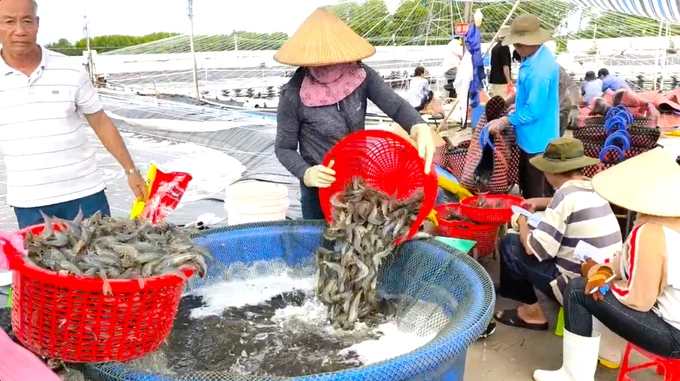
Beyond capture fisheries, the project will significantly expand brackish-water shrimp farming, introducing biosecurity-compliant systems across key aquaculture zones. The initiative will support infrastructure for water supply and drainage across approximately 734 hectares, with total annual farming areas reaching 1,200 hectares and output estimated at 4,500 tons per year.
By integrating advanced farming practices and environmental safeguards, the project seeks to balance productivity with sustainability, addressing disease risks while improving long-term ecosystem health.
Technology and Capacity at the Forefront
A key component of the initiative focuses on strengthening institutional capacity and deploying advanced technologies in both marine fishing and aquaculture. This includes enhancing management systems, improving operational efficiency, and aligning production processes with increasingly stringent market requirements.
The project is structured across three pillars: infrastructure development, technology and capacity enhancement, and project management—ensuring synchronization between physical investments and operational outcomes.
Clear Roadmap for Execution
The implementation timeline outlines a phased approach, with investment policy approval targeted by May 2026, followed by feasibility approvals by year-end, and loan agreement finalization with the World Bank by mid-2027. These milestones are designed to ensure timely execution and effective capital deployment.
Driving Coastal Growth and Livelihoods
For Nghe An, the project represents more than an infrastructure upgrade—it is a blue economy strategy aimed at creating jobs, stabilizing incomes, and unlocking the region’s fisheries potential. Thousands of coastal workers are expected to benefit from improved productivity and expanded market access.
As Vietnam continues to prioritize sustainable marine development, the collaboration highlights a broader shift toward integrated, resilience-focused fisheries systems, where infrastructure, technology, and environmental stewardship converge to drive long-term growth.
