
Department of Agriculture-backed native pig multiplier farm aims to strengthen livestock production, support agricultural education, and build a sustainable breeding ecosystem in the Cordillera region
In a move aimed at reinforcing livestock production and nurturing the next generation of agricultural professionals, the Department of Agriculture–Cordillera Administrative Region (DA-CAR) has inaugurated a PHP3.1-million native pig multiplier farm at the University of Abra (UA), describing the initiative as a long-term investment in food security, rural enterprise, and agricultural innovation.
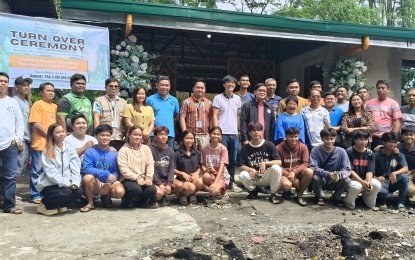
The project, formally turned over on Friday, establishes a dedicated breeding and production facility that will serve both as a commercial enterprise and a hands-on learning laboratory for agriculture students. The multiplier farm is expected to enhance the supply of quality native pigs across Abra while creating a sustainable model for livestock development within the academic sector.
Officials underscored that ensuring future food security requires more than increasing agricultural output; it demands cultivating a new generation of skilled agricultural practitioners capable of driving innovation across the sector.
“The future of Philippine agriculture rests in the hands of young people,” said Dr. Aida Pagtan, Chief Administrative Officer of DA-CAR. She noted that investments in institutions such as the University of Abra represent investments not only in infrastructure but also in knowledge, capacity building, and long-term agricultural resilience.
The facility includes breeding stock comprising one boar and 19 sows, six of which are already in advanced stages of pregnancy, alongside animal housing structures, feeding and veterinary equipment, forage-processing machinery, weighing systems, water storage facilities, and farm management tools. The operation is designed to produce both piglets for distribution and meat for commercial purposes, contributing to local food supply while generating income for the institution.
University officials view the project as a dual-purpose initiative that combines education with enterprise.
According to Dr. Jubert Gannapao, Associate Professor of Agriculture and Director of the University’s Income Generating Projects Division, the facility will function as a revenue-generating asset while addressing the growing demand for healthy and quality breeding stock within surrounding communities. Equally important, it will provide practical learning opportunities for students pursuing animal science and related disciplines.
The University of Abra currently has approximately 200 agriculture students enrolled across programmes including Animal Science, Crop Science, and Agricultural Extension, all of which stand to benefit from direct exposure to commercial livestock operations.
Beyond its educational value, the project carries particular relevance for Abra’s local economy and cultural landscape. Native pigs remain highly sought after in the province for traditional roasted pig production, ceremonial occasions, and indigenous cultural practices among the Tingguian communities.
Provincial Veterinarian Dr. Paul Joseph Abaya emphasized that collaborative efforts between government agencies, academic institutions, and local stakeholders are essential to strengthening food systems and ensuring agricultural sustainability.
The swine multiplier farm forms part of the broader Livestock Economic Enterprise Development (LEED) Programme, under which Abra has secured 13 livestock development projects valued at approximately PHP42.7 million. These encompass cattle, poultry, goat, swine, and apiary enterprises aimed at diversifying livestock production and improving rural incomes.
According to DA-CAR Livestock Programme Coordinator Jayvee Canor, recent revisions to programme guidelines have expanded eligibility beyond farmer cooperatives and local government units to include state universities, recognising their critical role in research, extension services, and agricultural enterprise development.
The initiative also complements the Department of Agriculture’s Integrated National Swine Production Initiatives for Recovery and Expansion (INSPIRE) programme, which provides grant-based funding to accelerate livestock production and support the recovery of the swine sector.
Both LEED and INSPIRE projects operate on a revolving-capital model, encouraging beneficiaries to expand production and reinvest proceeds into future operations, thereby creating self-sustaining agricultural enterprises.
As the Philippines continues to prioritise food security amid evolving market and production challenges, officials believe initiatives such as the University of Abra’s multiplier farm demonstrate how strategic investments in education, livestock development, and community engagement can collectively contribute to a more resilient agricultural future.
