
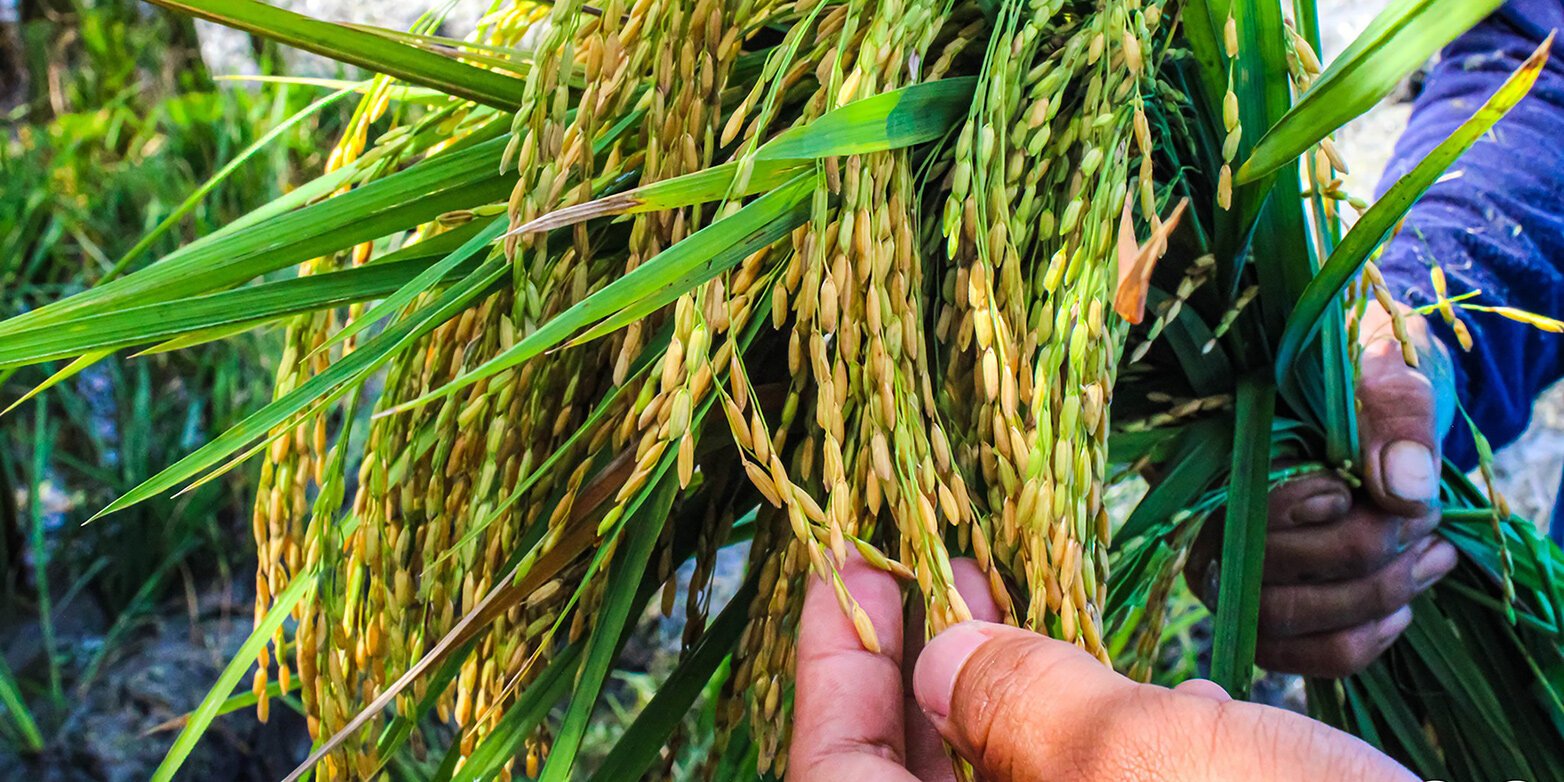
HIZ039 rice variety aims to combat anaemia, stunting and micronutrient deficiencies among vulnerable populations
The Philippines has approved the commercial propagation of HIZ039, a genetically engineered rice variety enriched with higher iron and zinc content, marking a significant step in the country’s efforts to address micronutrient deficiencies and strengthen public nutrition outcomes.
The Bureau of Plant Industry (BPI) has issued a biosafety permit allowing the commercial cultivation of the biofortified rice variety, which is owned and licensed by the Philippine Rice Research Institute (PhilRice). The approval follows a comprehensive biosafety assessment conducted under the country’s regulatory framework for genetically modified crops.
Developed as part of broader food and nutrition security initiatives, HIZ039 rice is designed to complement existing interventions such as food fortification, nutritional supplementation and dietary diversification programmes. According to PhilRice, the rice variety could supply between 30 to 50 per cent of the estimated average iron and zinc requirements for preschool-aged children as well as pregnant and lactating mothers.
The approval comes amid continued concerns over iron and zinc deficiencies in the Philippines, which remain linked to childhood anaemia, impaired cognitive development, stunting and weakened immunity.
In its official assessment, the BPI stated that HIZ039 “has satisfactorily undergone biosafety assessment for commercial propagation” and confirmed that the permit holder had complied with all regulatory requirements necessary for commercial approval.
The biosafety permit, however, remains subject to ongoing regulatory compliance, including periodic submission of seed sales reports and continuous monitoring obligations. The BPI further noted that any new scientific information suggesting elevated risks to human health or the environment must be reported immediately by the permit holder.
PhilRice clarified that the agronomic behaviour of HIZ039 remains substantially similar to conventional rice varieties and that the enhanced iron and zinc content does not alter the crop’s growth, reproductive capacity or environmental interaction.
The enhanced nutritional profile is enabled through the introduction of three proteins — NAS2, FER and APH4 — which PhilRice stated are not associated with known toxins or allergens. The institute further noted that these proteins are digestible, non-heat stable and have established safety records in plant systems and genetically modified crop applications.
“NAS2 and FER are naturally found in plants and are involved in storing and transporting iron and zinc, while APH4 has a long history of safe use in genetically modified crops,” PhilRice said.
The institute added that the Philippines will serve both as the country of origin and intended cultivation site for the rice variety.
With commercial approval now secured, HIZ039 is expected to expand access to nutrient-enriched staple food options, particularly among vulnerable communities facing persistent micronutrient deficiencies.
