
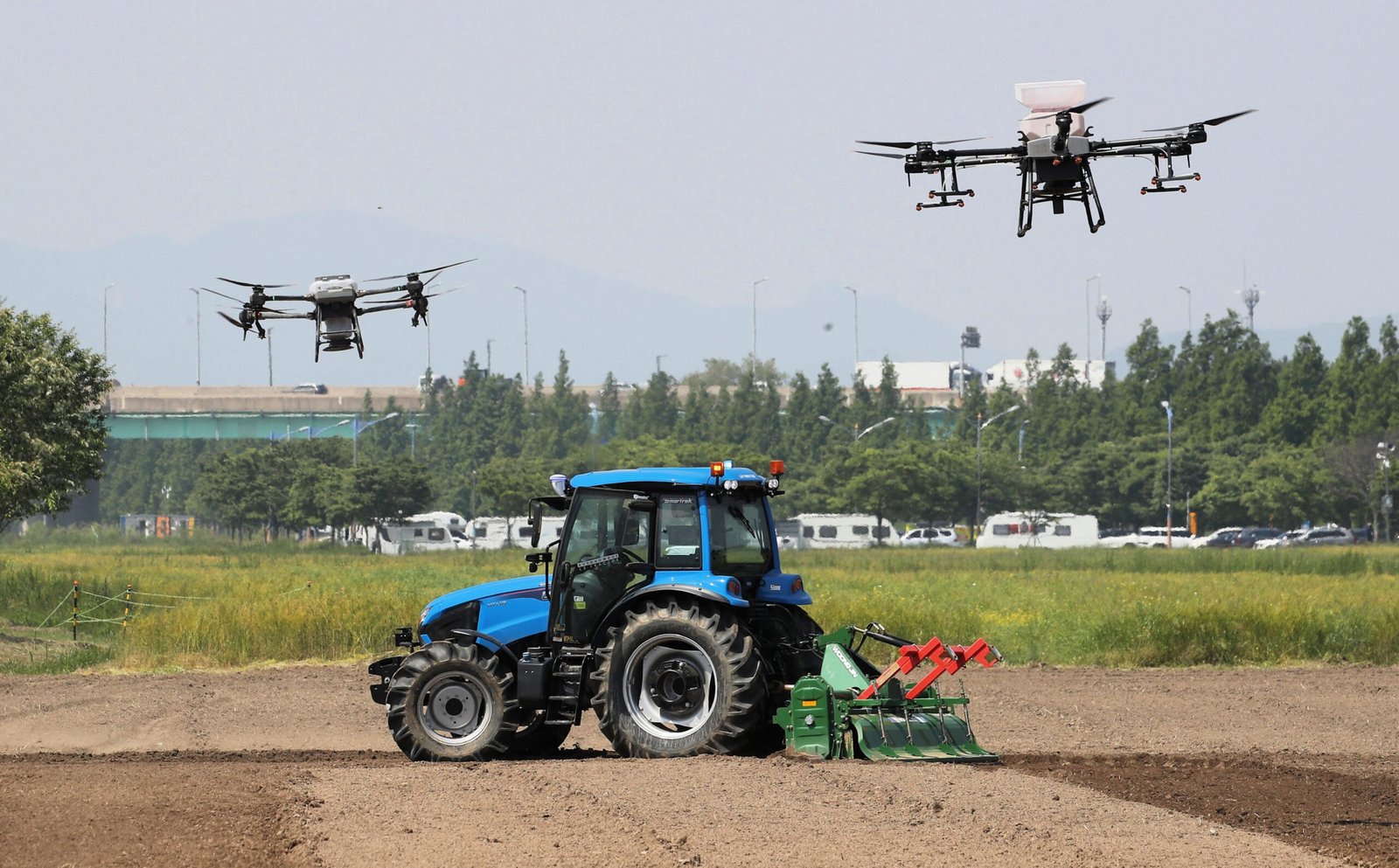
Korean technologies report higher dairy pregnancy rates and significant gains in milk output and rice farming efficiency
The Republic of Korea is strengthening its agricultural cooperation with Uzbekistan through a series of new technology transfer initiatives aimed at modernising livestock production, improving crop yields, and accelerating the adoption of precision farming systems across Central Asia.
The initiative is led by the Rural Development Administration, which advanced a multi-track partnership covering dairy breeding technologies, rice mechanisation, and livestock reproduction systems during a high-level visit to Uzbekistan.
Administrator Lee Seung-don visited Uzbekistan over two days to deepen bilateral agricultural cooperation and expand the deployment of Korean-developed farming technologies through joint projects with Uzbek counterparts.
A key milestone of the visit was a field demonstration at Sultan Farm in the Syrdarya region, where Korean embryo exporters and Uzbek partners signed a letter of intent to expand cooperation in the export and import of Korean dairy cattle embryos.
The agreement formalises growing interest in Korean livestock genetics, supported by reported performance gains in reproductive efficiency. According to the Rural Development Administration, pregnancy success rates for cattle using Korean dairy embryos reached 50 per cent, compared with 30 per cent for other imported embryos. In addition, dairy cows treated with Korean veterinary medicines recorded an average increase of 2.4 kilograms of milk per day.
The delegation also visited Uzbekistan’s Rice Research Institute, where discussions focused on a Korean-supported rice mechanisation programme that has been underway since 2018 in collaboration with local agricultural institutions.
Officials reported that the introduction of Korean rice-transplanting machinery has reduced labour requirements by up to 70 per cent while increasing productivity by as much as 52 per cent, underscoring the impact of mechanisation on farm efficiency in labour-intensive systems.
During meetings with senior Uzbek agricultural officials, including Jamshidjon Abdujakhurov, Deputy Agriculture Minister, Korea and Uzbekistan signed a memorandum of understanding to strengthen cooperation in livestock artificial insemination technologies.
The agreement outlines joint research initiatives in animal breeding, expanded exchange of agricultural specialists, and streamlined registration procedures for veterinary medicines, reflecting a broader effort to integrate scientific collaboration with regulatory alignment.
Additional discussions involved Namazov Shadman Ergashevich, head of the Agricultural Knowledge Innovation Agency, and Mansurov Abdullo Marufovich, director of the Rice Research Institute, focusing on long-term development of high-yield rice systems supported by Korean mechanisation and agronomic expertise.
Officials described the cooperation as part of a broader strategy to embed agricultural innovation into Uzbekistan’s national development framework while creating export opportunities for Korean agri-technology firms. “This achievement goes beyond simply transferring technology,” said Lee Seung-don. “It represents a virtuous cycle in which cooperation becomes embedded in local policy and connected to export partnerships.”
The latest agreements signal a deepening agricultural partnership between Korea and Uzbekistan, with a shared focus on boosting productivity, strengthening food security, and accelerating the adoption of advanced farming technologies across Central Asia.
