
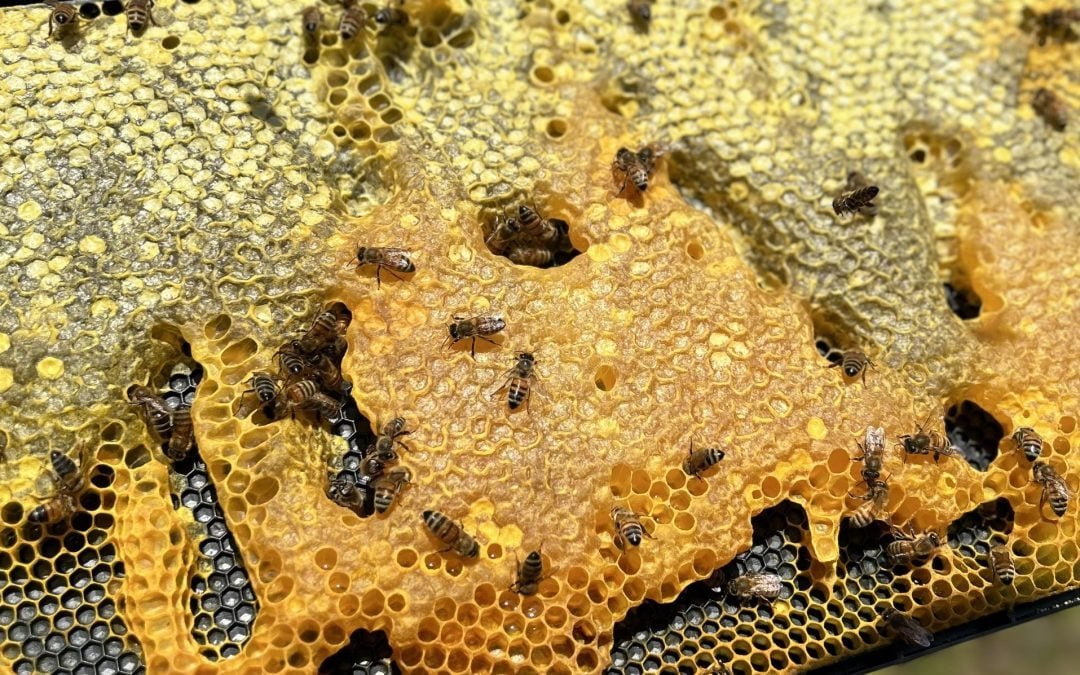
Innovative hive treatments aim to improve colony resilience while supporting responsible beekeeping practices
Global chemical and agricultural solutions provider BASF has announced an expanded collaboration with Canadian bee health specialist NOD Apiary Products Ltd. aimed at strengthening honey bee health management and supporting sustainable beekeeping practices through science-based innovation.
The partnership builds on an established supplier relationship between the two companies and reflects a shared commitment to improving pollinator resilience, which is increasingly recognized as essential to global food security and agricultural productivity.
At the core of the collaboration is the continued development and deployment of Formic Pro, a formic acid–based hive treatment designed to help beekeepers manage parasitic mite infestations that threaten honey bee colonies worldwide.
BASF’s Intermediates division supplies formic acid used in Formic Pro, while also providing funding and technical support to NOD Apiary Products as part of a broader effort to advance integrated bee health solutions.
According to BASF, the initiative draws on expertise across its Performance Materials and Agricultural Solutions businesses, reinforcing the company’s growing focus on sustainability-driven agricultural inputs and ecosystem protection strategies.
“Healthy pollinators are essential to agriculture and food production,” said Lauren Grech, Product Manager, Intermediates, BASF Americas. “By working closely with NOD Apiary Products, BASF is helping advance solutions that support beekeepers and help protect honey bee colonies.”
Formic Pro is applied directly within the hive using strips made from BASF-developed ecoflex and ecovio materials, which are certified compostable and designed to align with environmentally responsible hive management practices.
The system enables controlled release of formic acid vapor within the hive environment, allowing it to penetrate brood cells and disrupt the reproductive cycle of parasitic mites, thereby improving colony survival rates and overall hive health.
NOD Apiary Products emphasized that the collaboration strengthens its ability to deliver science-based tools to beekeepers facing increasing biological and environmental pressures.
“Our collaboration with BASF brings together complementary strengths,” said Heather Broccard-Bell, Honey Bee Health Researcher at NOD Apiary Products. “Their support and materials expertise help us continue our mission to deliver trusted, science-based solutions for beekeepers.”
Honey bees are widely recognized as a critical component of global agriculture, contributing billions of dollars annually through crop pollination services across a broad range of food systems. Declines in pollinator health have therefore become a key concern for agricultural resilience and biodiversity conservation.
Through this collaboration, BASF and NOD Apiary Products aim to enhance beekeeper tools, improve colony health outcomes, and support more resilient agricultural ecosystems worldwide, reinforcing the role of pollinators as a foundational element of sustainable food production systems.
