
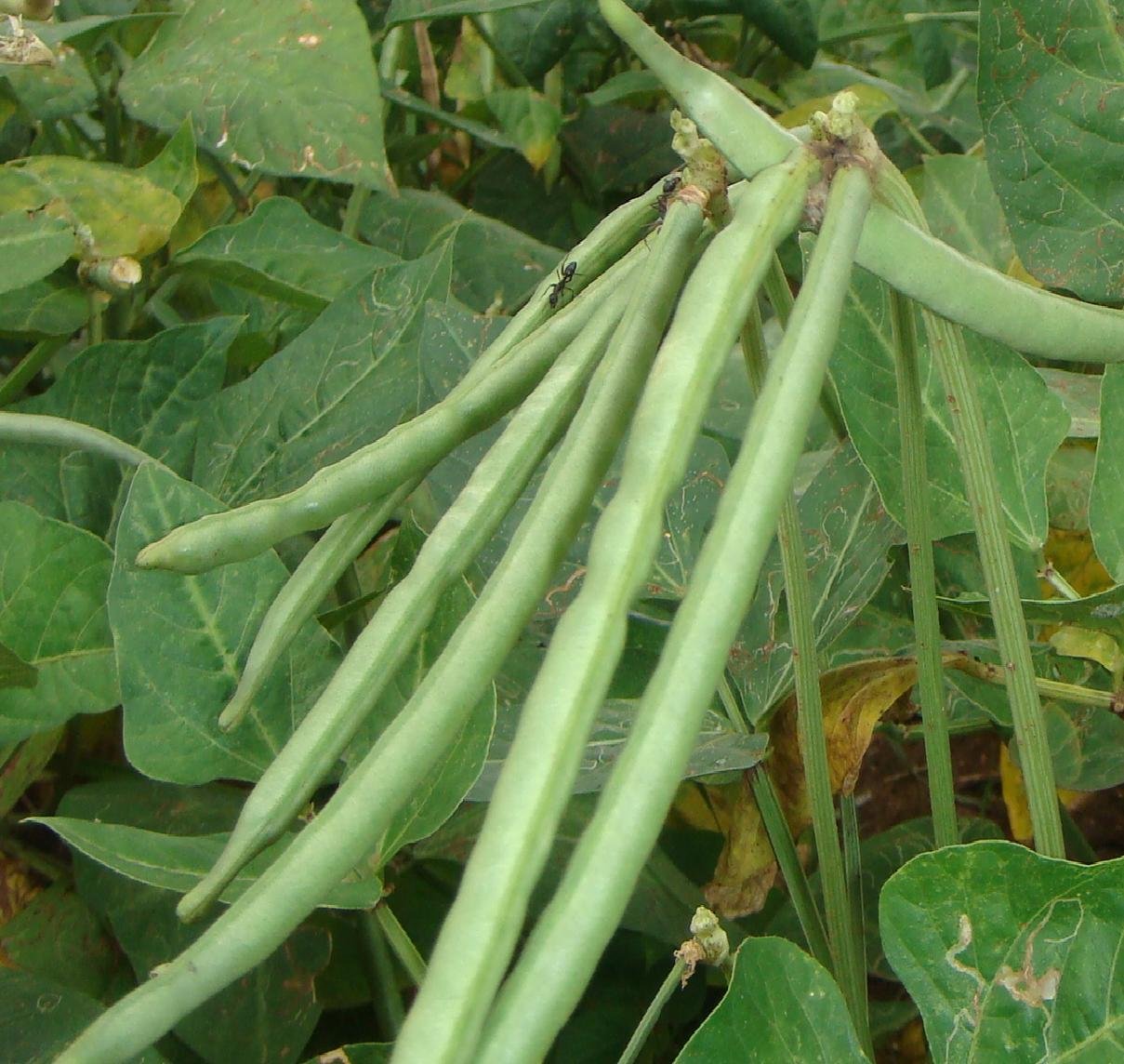
Study finds sharp rise in resistance to key insecticides among Megalurothrips usitatus populations in Hainan, with evidence of cross-resistance between widely used spinosyn products
A new study has raised concerns over the growing challenge of insecticide resistance in Megalurothrips usitatus, a destructive pest that threatens cowpea production across tropical China. Researchers monitoring field populations in Hainan Province have documented rapidly increasing resistance to several commonly used insecticides, underscoring the need for more targeted and sustainable pest management approaches.
The research evaluated populations of M. usitatus collected between 2023 and 2025 from five major cowpea-growing regions in Hainan. Using a modified leaf-tube residual film bioassay, scientists assessed susceptibility to five insecticides routinely deployed against the pest. The findings revealed significant regional differences in resistance levels, with populations from southern Hainan consistently exhibiting higher tolerance compared to those from central and northern production zones.
Among the insecticides tested, the neonicotinoid acetamiprid showed the most alarming resistance trends. By 2025, resistance ratios in key production areas had reached exceptionally high levels, including nearly 300-fold resistance in the Ledong population, while populations from Sanya and Lingshui recorded resistance increases exceeding 130-fold. The results suggest that long-term and intensive reliance on acetamiprid has substantially reduced its effectiveness against the pest.
Researchers also observed a rapid increase in resistance to spinosyn-based insecticides, a class often regarded as an important alternative in integrated pest management programs. Resistance to spinetoram climbed to more than 110-fold in Ledong, while resistance to spinosad exceeded 37-fold in Lingshui. Despite these increases, the study noted that the absolute toxicity levels of both spinosad and spinetoram remained comparatively favorable when measured against highly resistant compounds such as acetamiprid and chlorfenapyr, indicating that spinosyns still retain meaningful biological activity under laboratory conditions.
A key finding of the study was the strong positive correlation between resistance levels to spinosad and spinetoram across field populations. The close relationship suggests the presence of cross-resistance within the spinosyn class, meaning that resistance developed against one product could reduce the effectiveness of the other. Such cross-resistance could limit future control options if both products continue to be used without appropriate rotation strategies.
The researchers warn that continued dependence on a narrow range of insecticides could accelerate resistance development and compromise long-term control efforts. They recommend prioritizing resistance management programs that reduce reliance on high-risk chemistries, avoid consecutive applications of spinosyn-based products, and incorporate region-specific insecticide rotation schemes informed by local resistance monitoring data.
As cowpea remains an important crop for farmers across tropical China, the findings highlight the growing importance of proactive resistance surveillance and integrated pest management approaches. Researchers believe that tailoring control programs to local resistance patterns will be critical to preserving insecticide efficacy, protecting yields, and ensuring the sustainable management of M. usitatus in the years ahead.
