
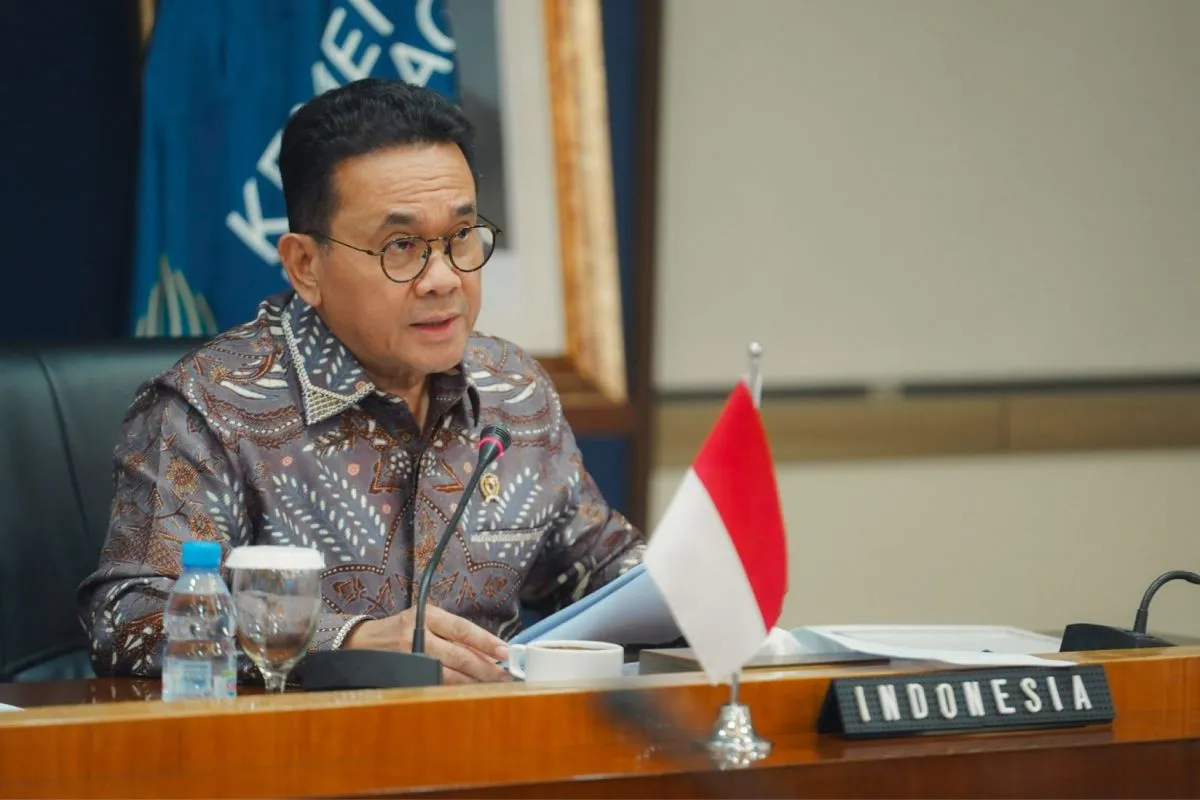
Indonesia leads G-33 efforts to revive WTO agricultural negotiations
Indonesia is taking a proactive stance in advocating for agricultural reform discussions ahead of the 14th World Trade Organization (WTO) Ministerial Conference, scheduled for March 26–29, 2026, in Cameroon. Trade Minister Budi Santoso emphasized that this conference presents a critical opportunity to revive stalled agricultural negotiations within the WTO.
As the coordinator of the G-33 group of developing countries, Indonesia is calling for these discussions to remain firmly development-oriented. The focus is on addressing key issues such as food security, the welfare of smallholder farmers, and national development priorities, which must shape the direction of global agricultural reform.
The G-33 Ministerial Meeting, themed “G-33 Priorities and Collective Action toward MC-14 for Advancing Inclusive WTO Agricultural Negotiation,” is a significant step in this effort. One of the primary objectives of this meeting is to align a Joint Ministerial Statement to be delivered at the WTO conference.
According to Minister Budi, this statement will reaffirm the G-33 ministers’ commitment to a rules-based, fair, inclusive, and transparent multilateral trading system with the WTO at its core. Indonesia is determined to adopt a firm yet constructive approach to ensure that the interests of developing countries are prioritized in the agricultural reform agenda.
Key aspects of Indonesia’s advocacy include the issue of Public Stockholding for Food Security Purposes (PSH) to safeguard food security, the Special Safeguard Mechanism (SSM) as a tool to address import surges, and Special and Differential Treatment (S&DT) provisions to support developing nations. These mechanisms are critical for ensuring that the agricultural policies of the WTO address the unique challenges faced by developing countries.
Minister Budi highlighted that Indonesia, together with other G-33 members, will intensify coordination efforts to keep these priorities at the forefront of discussions in the lead-up to the ministerial conference. In a statement issued in Jakarta, Minister Budi underscored the importance of using the 14th WTO Ministerial Conference as momentum to reinvigorate agricultural negotiations that have stagnated in recent years. He stated, “Indonesia stresses that the 14th WTO Ministerial Conference must be used to reinvigorate agricultural negotiations that have stalled over the past few years. As coordinator of the G-33, Indonesia calls for WTO agricultural reform to remain development-oriented.”
He further explained that reform must prioritize food security, the welfare of smallholder farmers, and national development interests, reflecting the need for a fairer global agricultural policy direction. Indonesia’s leadership in this forum demonstrates its commitment to fostering a more inclusive and responsive multilateral trading system.
Minister Budi affirmed, “Indonesia’s active leadership in this forum reaffirms the national commitment to fighting for a more inclusive, responsive, and development-oriented multilateral trading system, particularly in supporting food security and the welfare of smallholder farmers.” This commitment underscores Indonesia’s determination to ensure that the voices of developing countries are heard and their needs are addressed in the global agricultural reform process.
