
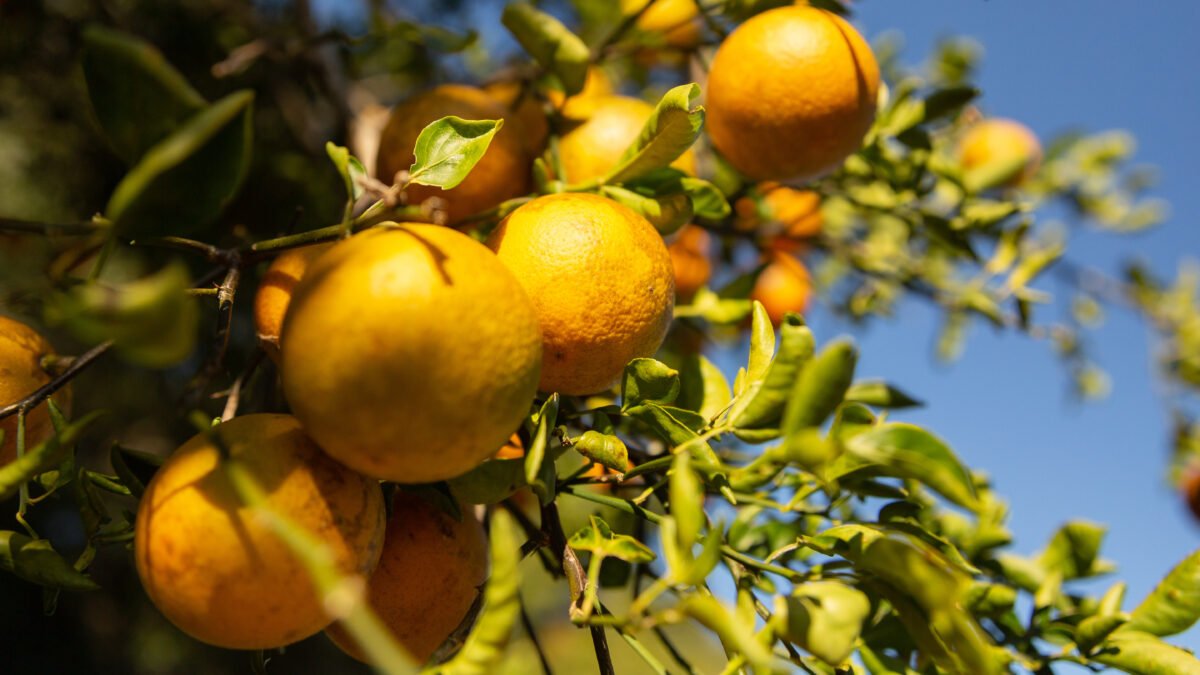
CarriCea T1 aims to protect U.S. citrus production while reducing reliance on conventional pesticide sprays
The United States Environmental Protection Agency has approved CarriCea T1, a gene-edited citrus rootstock designed to help citrus trees defend themselves against citrus greening disease, marking a significant development for an industry that has suffered severe production losses over the past two decades.
The approval introduces a new disease-management tool for American citrus growers as the sector faces mounting pressure from citrus greening, a bacterial disease widely regarded as one of the greatest threats to commercial citrus production in the United States. The disease has sharply reduced Florida’s citrus output, with recent harvest levels falling to historic lows.
CarriCea T1 works by making targeted edits to the citrus tree’s own genetic material to disrupt interactions with the bacteria responsible for citrus greening. Unlike some genetically modified agricultural technologies, the product does not introduce DNA from other organisms. Regulators said the resulting fruit remains indistinguishable from citrus produced using conventional rootstock varieties.
According to the EPA, the rootstock has the potential to reduce growers’ dependence on conventional pesticide applications by strengthening the tree’s natural ability to resist infection. The agency noted that fewer chemical sprays could lower pesticide exposure in orchards and support more sustainable disease-management practices.
The EPA conducted a dietary safety assessment under its regulatory framework for plant-incorporated protectants (PIPs), evaluating both the registered product and any associated breakdown residues before granting approval. The agency stated that the registration decision meets federal standards for human health and environmental protection.
Florida’s citrus industry, historically central to the U.S. orange juice market, has experienced a dramatic decline in production due to the spread of citrus greening disease. Industry data show that current harvest levels represent only a small fraction of the state’s historical production peak, intensifying concerns about long-term domestic supply security and rising dependence on imported citrus products.
The EPA said the approval reflects broader efforts to support agricultural innovation through science-based regulatory pathways while balancing crop protection needs, environmental sustainability, and consumer choice. The agency also emphasized that consumers seeking alternative production systems, including organic citrus, will continue to have options available in the marketplace.
CarriCea T1 is expected to become part of integrated disease-management strategies aimed at improving orchard resilience, protecting yields, and supporting the long-term sustainability of American citrus farming.
