
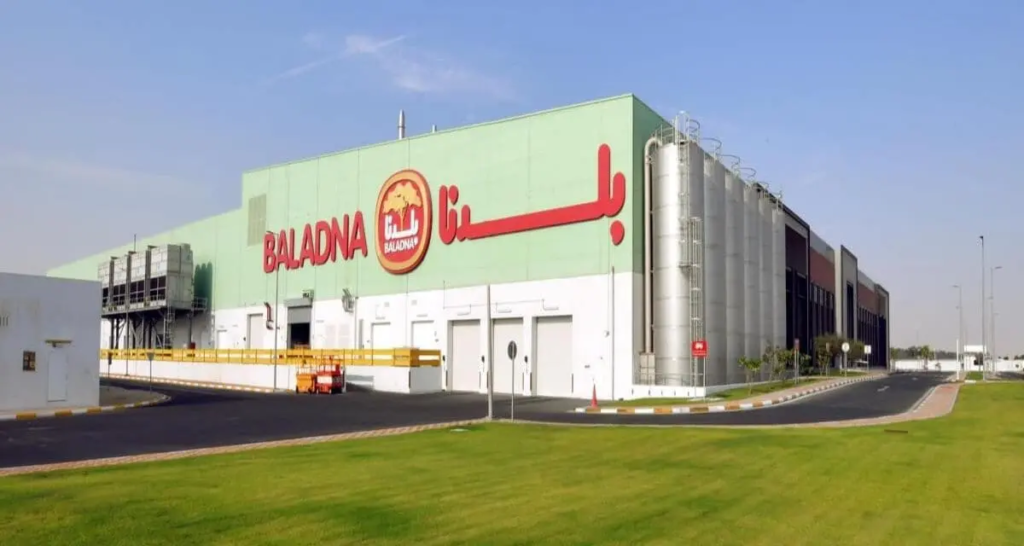
Second phase of strategic agriculture venture targets cattle imports, milk production, and long-term food security goals
Baladna and Algerian authorities have launched the second phase of a large-scale agricultural investment project valued at nearly $3.5 billion, further deepening bilateral cooperation in food production and agribusiness development.
The latest phase of the multi-stage initiative includes approximately $635 million in new investments focused on cattle breeding operations and farmland development for powdered milk production in Algeria’s southwestern Adrar province. The agreement was signed in Algiers as part of broader efforts to strengthen regional food security and reduce reliance on imported dairy products.
Under the second phase, the project will establish logistics and infrastructure systems to support the importation of 30,000 cattle from the United States over a 10-month period. Planned activities also include civil construction works, development of accommodation and service facilities, completion of a concrete production plant, and the launch of a dairy cow import program aimed at accelerating herd formation.
Baladna holds a 51 percent stake in the project, while the remaining ownership is held by Algeria’s state-backed national investment fund. The partnership was initially launched in 2025 and is considered one of the world’s largest integrated dairy and farming ventures currently under development.
According to project projections, the fully commissioned operation is expected to span more than one million square metres and eventually support a herd of approximately 270,000 cattle. Annual production targets include around 1.7 billion litres of milk alongside fodder and meat output intended to strengthen Algeria’s domestic agricultural capacity.
The project reflects Qatar’s expanding investment footprint in Algeria and highlights growing Gulf interest in strategic food production assets amid increasing global focus on supply chain resilience and agricultural self-sufficiency. Qatar and Algeria maintain close economic ties, with cooperation extending across agriculture, energy, and infrastructure sectors.
Industry observers view the investment as part of a broader regional trend toward large-scale agri-industrial projects designed to address food security challenges, stimulate rural development, and reduce exposure to volatile global commodity markets.
