
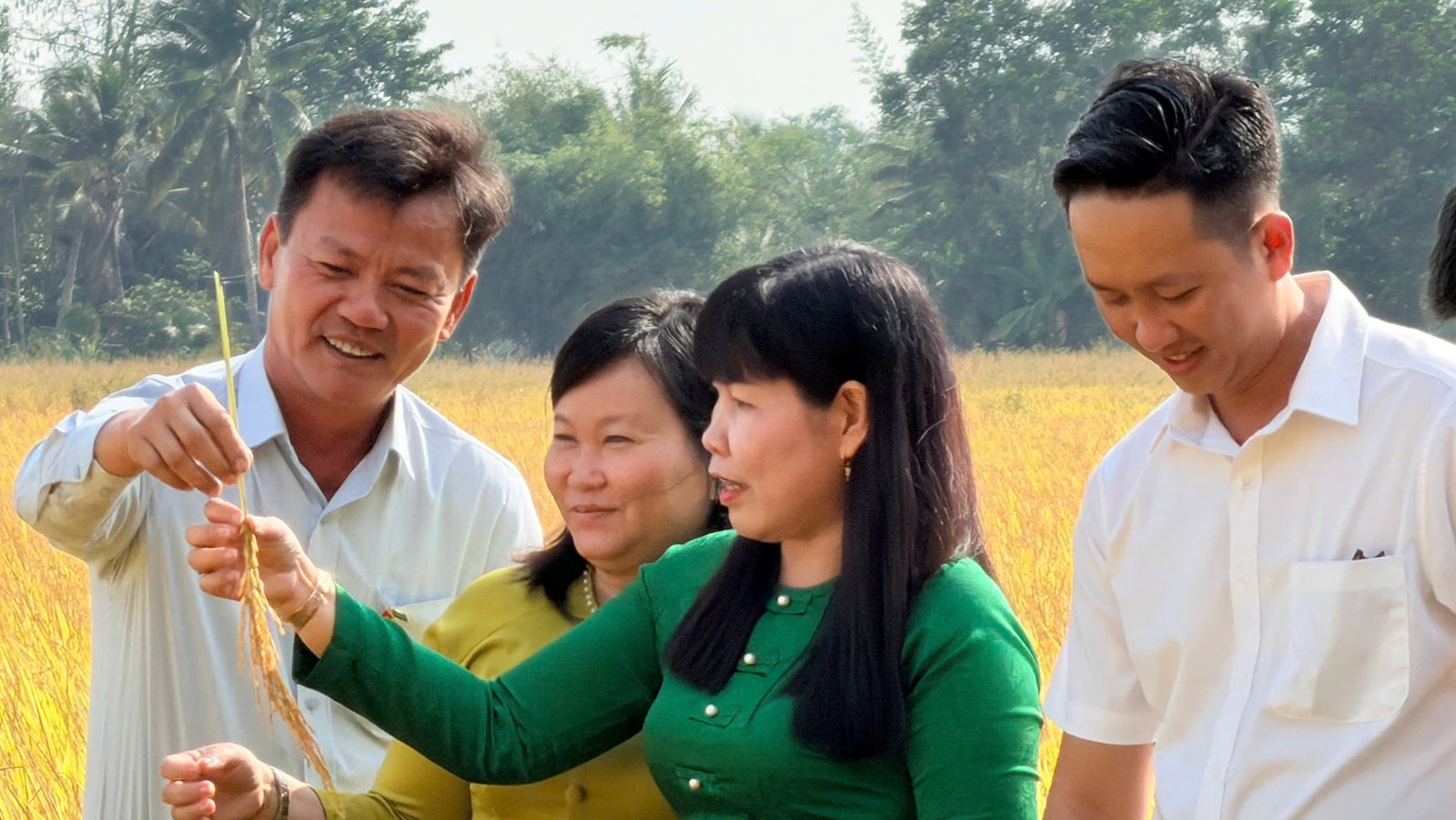
IRRI-Led pilot under 1mHa Program showcases precision agriculture as catalyst for productivity and climate resilience
A transformative leap in sustainable rice cultivation is taking shape in Vietnam’s Mekong Delta, as the “Fertilize Right” pilot model under the One Million Hectare of High Quality, Low Emission Rice (1mHa) Program demonstrates compelling gains in both productivity and profitability. Spearheaded by the International Rice Research Institute (IRRI) in collaboration with local agricultural authorities, the initiative has delivered an additional 0.9 tonnes per hectare in yield alongside a 24 per cent increase in farmer incomes, marking a significant milestone in the modernization of rice farming systems.
Precision Agriculture Redefines Traditional Practices
At the heart of the pilot lies a shift from input-intensive farming to precision-led nutrient management, integrating the globally recognized 4R stewardship principles—right source, right rate, right time, and right place. Implemented by the Thuan Loi Agricultural Cooperative across an initial 5.5 hectares, the model combines advanced agronomic protocols with mechanized solutions to optimize every stage of cultivation.
Lower Inputs, Higher Efficiency
A defining innovation of the approach is the use of high-quality certified seeds at a reduced seeding rate of 60 kg/ha, nearly half the conventional norm. Enabled by mechanized direct row seeding (mDSR) and fertilizer deep placement, the system ensures efficient nutrient uptake from the earliest stages of plant development. This integration not only enhances root depth and strength but also improves plant stability, reducing vulnerability to adverse weather conditions.
Water-Smart and Climate-Resilient Cultivation
The model further incorporates Alternate Wetting and Drying (AWD) irrigation, a proven water-saving technique that strengthens resilience against climatic variability. Field observations revealed that crops under the “Fertilize Right” system exhibited superior resistance to lodging during heavy rainfall, a stark contrast to neighboring fields using traditional broadcast methods and higher nitrogen inputs.
Strong Economic Returns for Farmers
Quantifiable results from the pilot underscore its economic viability. Participating farmers recorded a yield increase of 0.89 t/ha and an additional profit of VND 5.5 million per hectare, translating into a 24.2% rise in net returns. These gains were achieved despite optimized, and in some cases reduced, input usage—highlighting the efficiency of precision-based farming.
Digital Tools Enable Scalable Adoption
To sustain and scale these outcomes, farmers have adopted the Rice Crop Manager (RCM) digital platform, which provides real-time guidance on nutrient management aligned with 4R principles. This integration of digital advisory tools with field practices is enabling farmers to make data-driven decisions, ensuring consistency and replicability across seasons.
Pathway to Large-Scale Transformation
With over 700,000 hectares under rice cultivation and annual production exceeding 4.6 million tonnes, Can Tho presents a fertile ground for scaling the model. Authorities are advancing plans to implement a Measurement, Reporting, and Verification (MRV) system across 8,000 hectares, engaging 30 cooperatives to standardize sustainable practices and track environmental outcomes.
Policy Support and Community Leadership Driving Adoption
Recognizing the model’s potential, local authorities are prioritizing policy interventions to strengthen cooperative infrastructure and mechanization capacity. Simultaneously, the development of “lead farmers” as knowledge ambassadors is accelerating the dissemination of best practices, fostering a community-led transition toward sustainable intensification.
A Blueprint for Low-Emission, High-Value Agriculture
As Vietnam advances its ambitions for low-emission, high-quality rice production, the “Fertilize Right” model stands out as a scalable blueprint—delivering higher yields, improved incomes, and reduced environmental impact. By aligning agronomic precision with digital innovation and policy support, the initiative is redefining the future of rice cultivation in one of the world’s most vital agricultural regions.
