
Regional Program enters next phase focused on investment, policy alignment, and climate-resilient agriculture
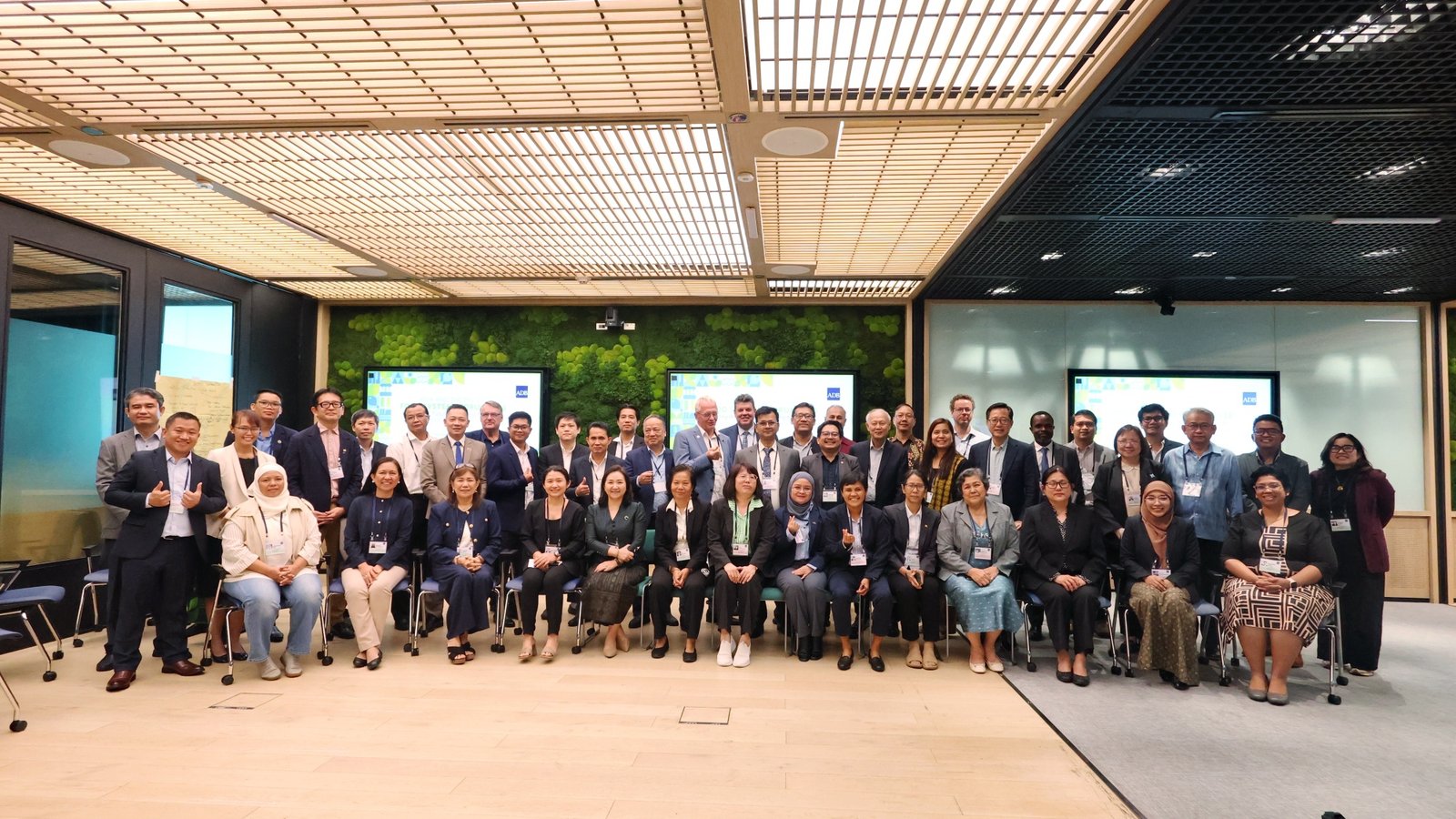
The ASEAN–CGIAR Innovate for Food and Nutrition Security Regional Program has marked a pivotal transition from innovation development to large-scale implementation, signaling a new chapter in Southeast Asia’s pursuit of sustainable, climate-resilient food systems. The milestone was underscored during a high-level closing workshop and open forum that convened stakeholders from ASEAN Member States, CGIAR centers, development agencies, and research institutions to evaluate progress and chart the course for the program’s next phase.
Spanning a region with over 140 million hectares of agricultural land and supporting more than 100 million farmers, Southeast Asia’s agri-food systems remain central to global food security. However, intensifying climate risks, land-use pressures, and shifting economic dynamics continue to challenge long-term sustainability. Launched in 2023, the ASEAN–CGIAR program has responded to these complexities by fostering climate resilience, promoting circular and regenerative agricultural practices, and supporting post-pandemic recovery across diverse food systems.
Over its first phase, the program has developed a portfolio of 39 innovations across key domains including regenerative agriculture, climate-smart production, agrobiodiversity, irrigation, value chains, and nutrition. Several innovations have already demonstrated measurable impact. Rice-fish farming systems increased rice yields by up to 1,205 kg/ha while generating additional fish output and boosting farm profitability. The Sustainable Rice Platform data tool has expanded to over 90,000 hectares across 11 countries, while targeted investments of $ 2.7 million have strengthened greenhouse gas measurement capabilities in rice systems.
Further advancements include pest-reducing crop systems that lowered emissions by nearly 50 per cent and tripled profitability, climate-smart loan models supporting women farmers, and digital irrigation mapping tools identifying expansion opportunities in underserved regions. Community-based initiatives such as One Health Villages have also delivered benefits to over 1,000 individuals, reinforcing the program’s inclusive development approach.
Despite these achievements, many innovations remain in early or intermediate stages of scaling. To address this, the program is now prioritizing the integration of “innovation gaps” into cohesive socio-technical bundles that combine technology, financing, policy support, and advisory services. This approach is designed to transform promising solutions into investment-ready models tailored to country-specific needs.
At the ADB Asia and the Pacific Food Systems Forum 2026, the program’s open session emphasized the urgency of scaling regenerative agriculture through stronger collaboration between governments, private sector stakeholders, and development partners. Discussions highlighted the importance of market systems, traceability, and alignment with sustainability standards to unlock investment and accelerate adoption.
Country representatives and financial institutions underscored the need for robust diagnostics, project preparation frameworks, and innovative financing structures to enable large-scale deployment. Regional coordination mechanisms are expected to play a critical role in aligning national priorities with broader ASEAN strategies, particularly under the upcoming Food, Agriculture and Forestry Sectoral Plan 2026–2030.
As the program moves into its next phase, the focus is shifting decisively toward execution—translating innovation into impact through enhanced investment pathways, policy integration, and system-wide adoption. With strengthened collaboration across public and private sectors, the ASEAN–CGIAR initiative is poised to redefine the region’s food systems, ensuring resilience, sustainability, and food security for generations to come.
