
New coordination framework, nationwide inspections and integrated reporting systems aim to reinforce compliance efforts ahead of European Commission review
Vietnam has intensified its campaign against illegal, unreported and unregulated (IUU) fishing by strengthening inter-agency coordination, advancing digital governance and introducing more transparent monitoring mechanisms as the country seeks to reinforce its fisheries compliance framework ahead of future engagements with the European Commission (EC).
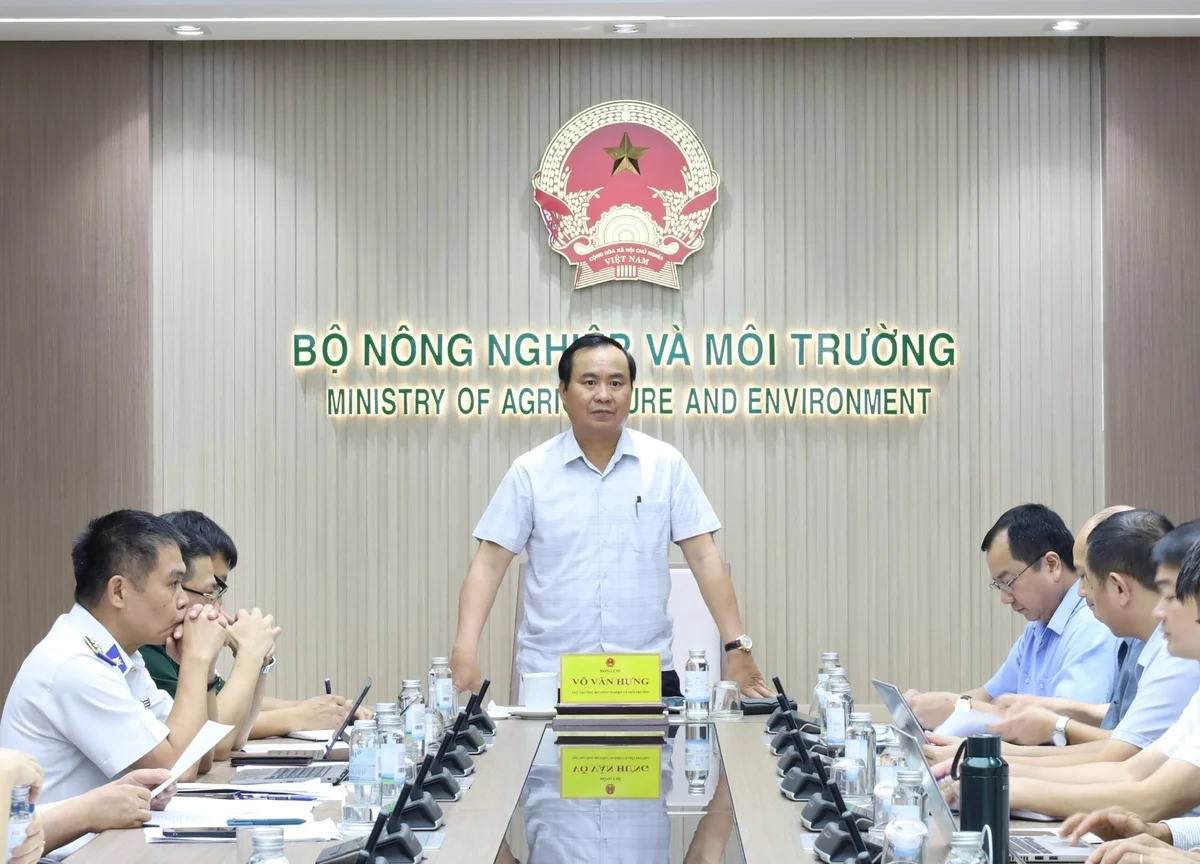
The renewed effort was underscored during the first meeting of the Inter-agency Working Group on Combating IUU Fishing, chaired by Deputy Minister of Agriculture and Environment Vo Van Hung, who also serves as Deputy Head of the National Steering Committee on IUU Fishing and Head of the newly consolidated working group.
Held in Hanoi on June 2, the meeting brought together representatives from multiple ministries and government agencies tasked with implementing urgent measures aimed at improving fisheries governance, strengthening regulatory enforcement and ensuring greater transparency across the sector.
A key outcome of the meeting was the formal consolidation of the inter-agency working group, bringing together specialised units from relevant ministries and agencies under a more coordinated operational structure. The move is intended to create a unified system capable of facilitating effective oversight while ensuring that documentation, procedures and compliance records are maintained to international standards.
Officials indicated that the strengthened framework is designed to enhance Vietnam’s preparedness for future inspections and assessments by the European Commission, which has closely monitored the country’s efforts to address IUU fishing concerns in recent years.
The working group also reached consensus on a set of operating principles intended to improve accountability and efficiency across participating agencies. Under the agreed framework, responsibilities will be clearly assigned, with an emphasis on transparent task allocation, defined institutional roles and streamlined decision-making processes.
At the centre of the new approach is the establishment of a more responsive information-sharing mechanism, enabling government agencies to exchange data and coordinate actions more effectively. Authorities believe such integration will help improve policy implementation while ensuring quicker responses to emerging compliance challenges.
Participants further endorsed a comprehensive work plan that includes periodic reporting to the National Steering Committee on IUU Fishing and a targeted inspection programme covering all 22 coastal provinces and cities. The inspection strategy is expected to focus on key risk areas while maintaining flexibility to address region-specific challenges within the fisheries sector.
Government officials emphasised that inspection teams will be structured to maximise effectiveness while avoiding unnecessary administrative burdens. The streamlined approach aims to ensure that enforcement efforts remain focused on priority compliance issues and deliver measurable outcomes.
A significant aspect of the new initiative is the accelerated adoption of digital technologies to support fisheries governance. In his concluding remarks, Deputy Minister Vo Van Hung highlighted the critical role of information technology in strengthening transparency, oversight and administrative efficiency.
He instructed the Department of Fisheries and Fisheries Surveillance, which serves as the standing body of the working group, to urgently operationalise a digital reporting database dedicated to monitoring anti-IUU fishing activities nationwide.
The proposed platform is expected to integrate data from ministries, government agencies and local authorities into a unified reporting system capable of generating real-time assessments and performance evaluations. Officials indicated that the system will feature automated scoring mechanisms, transparent data extraction capabilities and enhanced reporting functions designed to improve the accuracy and reliability of compliance monitoring.
By creating interoperable databases across institutions, Vietnam aims to reduce information gaps, improve traceability and strengthen evidence-based decision-making within the fisheries sector.
The latest measures reflect the government’s broader commitment to modernising fisheries management and aligning domestic practices with international standards governing sustainable marine resource use. Authorities increasingly view digital transformation as a critical component of long-term efforts to combat illegal fishing activities and improve transparency throughout seafood supply chains.
As global markets place greater emphasis on sustainability, traceability and responsible sourcing, Vietnam’s fisheries sector faces growing pressure to demonstrate robust compliance mechanisms and effective regulatory oversight. The enhanced inter-agency framework and digital monitoring initiatives are expected to play a central role in addressing these expectations.
With nationwide inspections, stronger institutional coordination and data-driven governance now forming key pillars of its anti-IUU strategy, Vietnam is seeking to build a more transparent and accountable fisheries management system—one capable of supporting sustainable sector growth while reinforcing confidence among international trading partners.
