
Collaborative roadmap targets high-value varieties to boost farmer incomes and global competitiveness
Sesame is rapidly emerging as a cornerstone of Tanzania’s agricultural growth story, with the country now ranked among the world’s top five producers of the drought-resilient oilseed. Thriving in arid conditions and low-fertility soils where other crops struggle, sesame has gained prominence as both a climate-smart crop and a high-demand export commodity, driven by the global appetite for its nutritious oil and versatile applications across food, health, and industrial sectors.
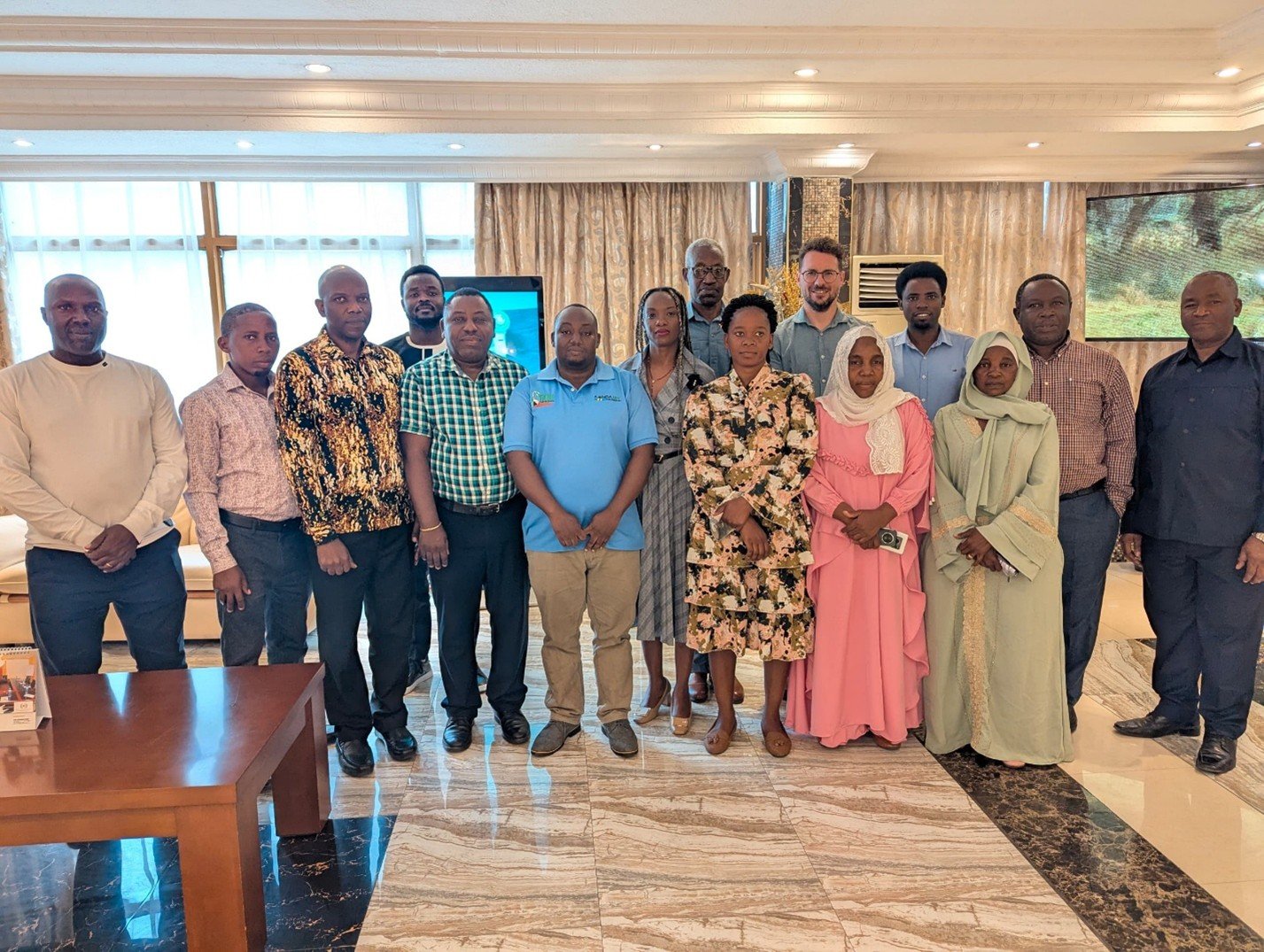
In a decisive move to unlock the crop’s full potential, Tanzania has initiated a market-driven transformation of its sesame value chain. In July 2025, a Product Design Team (PDT) comprising farmer organizations, processors, private sector stakeholders, and scientists convened in Dar es Salaam to validate key market segments and define Target Product Profiles (TPPs). These TPPs are set to serve as a strategic blueprint guiding the country’s sesame breeding programs toward varieties that align with both farmer requirements and evolving market demands.
The workshop marked a critical milestone in strengthening Tanzania’s research and innovation ecosystem for sesame. Opening the session, Dr. Atugonza Bilaro of the Tanzania Agricultural Research Institute (TARI) emphasized the institute’s broader initiative to establish market segmentation and TPP frameworks across all major crops, underscoring a shift toward demand-led agricultural development.
Participants identified two primary market segments centered on short-duration and medium-duration sesame varieties, both characterized by white seed coats preferred for oil extraction and food processing. These segments were prioritized for immediate breeding focus, with tailored TPPs developed to optimize yield, quality, and market suitability. In parallel, stakeholders recognized an emerging segment catering to oil processing, medicinal, and cosmetic applications, encompassing sesame with diverse seed coat colors including white, brown, and black. While this segment holds significant promise, further data will be required to fully validate and integrate it into the national breeding strategy.
Beyond technical outcomes, the workshop reinforced the importance of market intelligence in agricultural innovation. Participants highlighted that the process deepened their understanding of segmentation and TPP frameworks, positioning these tools as critical levers for accelerating the adoption of improved varieties. Enhanced adoption, in turn, is expected to drive productivity gains, strengthen value chains, and elevate incomes for smallholder farmers.
As Tanzania advances its sesame strategy, the integration of science, market insight, and multi-stakeholder collaboration is setting the stage for the crop to transition from a traditional staple to a globally competitive, high-value agricultural asset.
