
Science-led partnership targets climate resilience, productivity gains and food security in Central Asia
In a significant step toward strengthening food security and agricultural resilience, the Government of Uzbekistan and the International Maize and Wheat Improvement Center (CIMMYT) have formalized a Letter of Intent (LoI) to deepen collaboration on the modernization of the country’s wheat sector. The partnership underscores a shared commitment to advancing science-driven solutions to address the mounting challenges of climate change, water scarcity, and evolving agricultural demands.
The agreement signals a new phase in Uzbekistan’s efforts to transform its wheat production systems through innovation, while also reinforcing CIMMYT’s strategic engagement across Central Asia. By aligning institutional expertise with national priorities, the collaboration aims to enhance productivity, build resilience, and strengthen the foundations of sustainable food systems in a region critical to global agricultural stability.
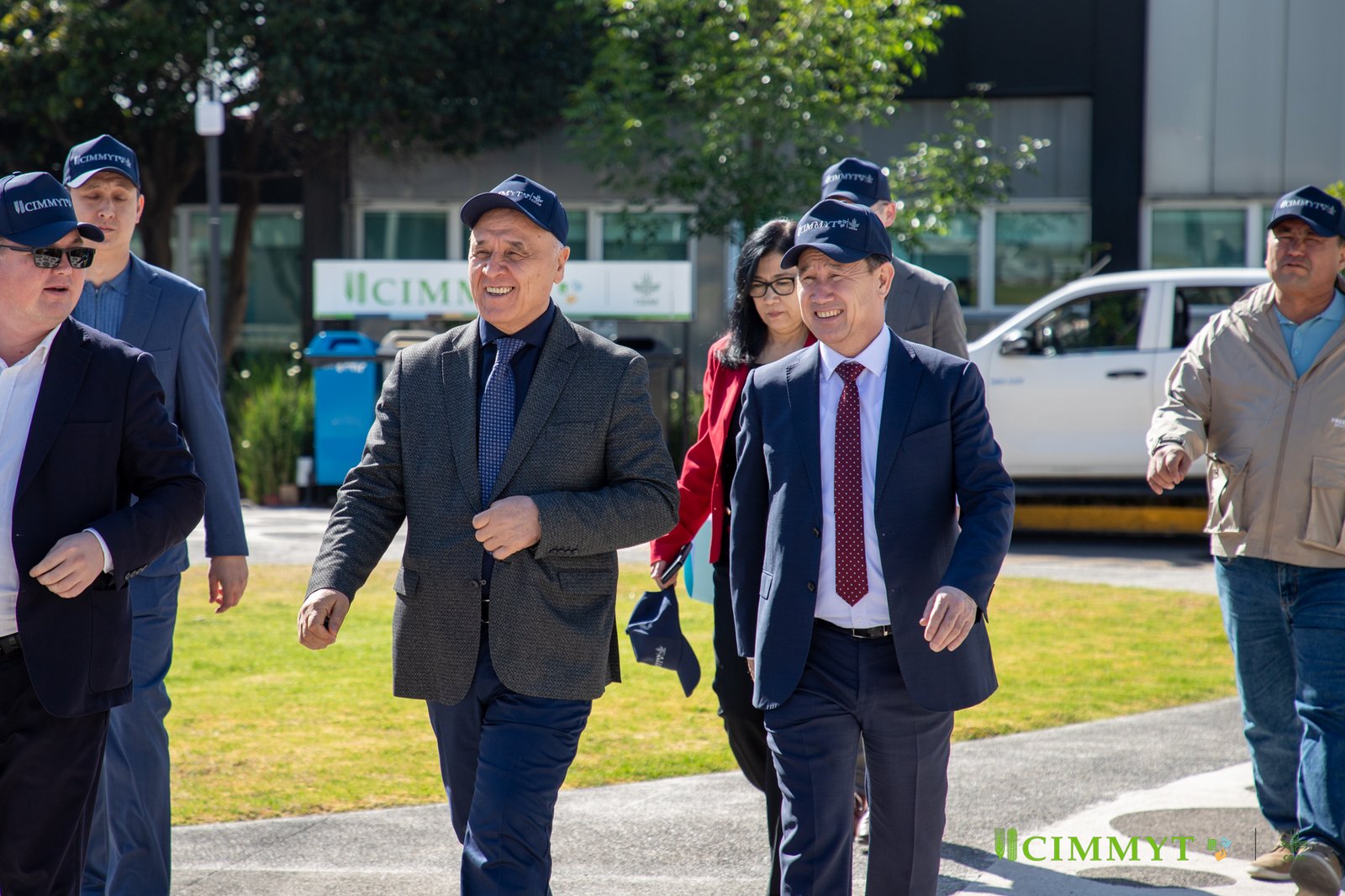
The signing follows a high-level Uzbek delegation visit to CIMMYT’s global headquarters in Texcoco, where government representatives engaged with senior leadership, scientists, and technical teams across key research platforms. The delegation explored cutting-edge facilities, including advanced genetic resource and bioscience research centers, gaining firsthand insight into the genomic tools and global wheat diversity that underpin the development of climate-resilient crop varieties.
The visit also highlighted CIMMYT’s ability to translate scientific innovation into practical agricultural outcomes, particularly through its longstanding partnerships with farming communities. These models of collaboration demonstrate how research-led solutions can be effectively scaled to deliver tangible benefits for farmers, enhancing productivity while safeguarding environmental sustainability.
At the core of the partnership lies a comprehensive agenda aimed at transforming Uzbekistan’s wheat sector. Key areas of cooperation include the modernization of breeding programs, the establishment of advanced laboratory infrastructure, and the promotion of climate-resilient agronomic practices. In addition, the collaboration will focus on strengthening national seed systems and developing evidence-based policy frameworks to support long-term sectoral growth.
As Uzbekistan navigates increasing climate pressures and resource constraints, the partnership with CIMMYT is positioned to play a pivotal role in equipping farmers with improved crop varieties and sustainable farming practices. By leveraging decades of global expertise in crop improvement and capacity development, CIMMYT will support the country’s ambition to build a more resilient and productive agricultural landscape.
This strategic alliance reflects a broader vision of harnessing innovation and international cooperation to secure the future of food systems—not only for Uzbekistan, but for the wider Central Asian region.
