
Feed additive trial delivers significant environmental gains alongside improved livestock productivity
Minerva Foods, South America’s leading beef exporter, and Rumin8, an Australian climate technology company, have announced the results of a collaborative study demonstrating significant reductions in methane emissions from cattle alongside measurable improvements in feed efficiency.
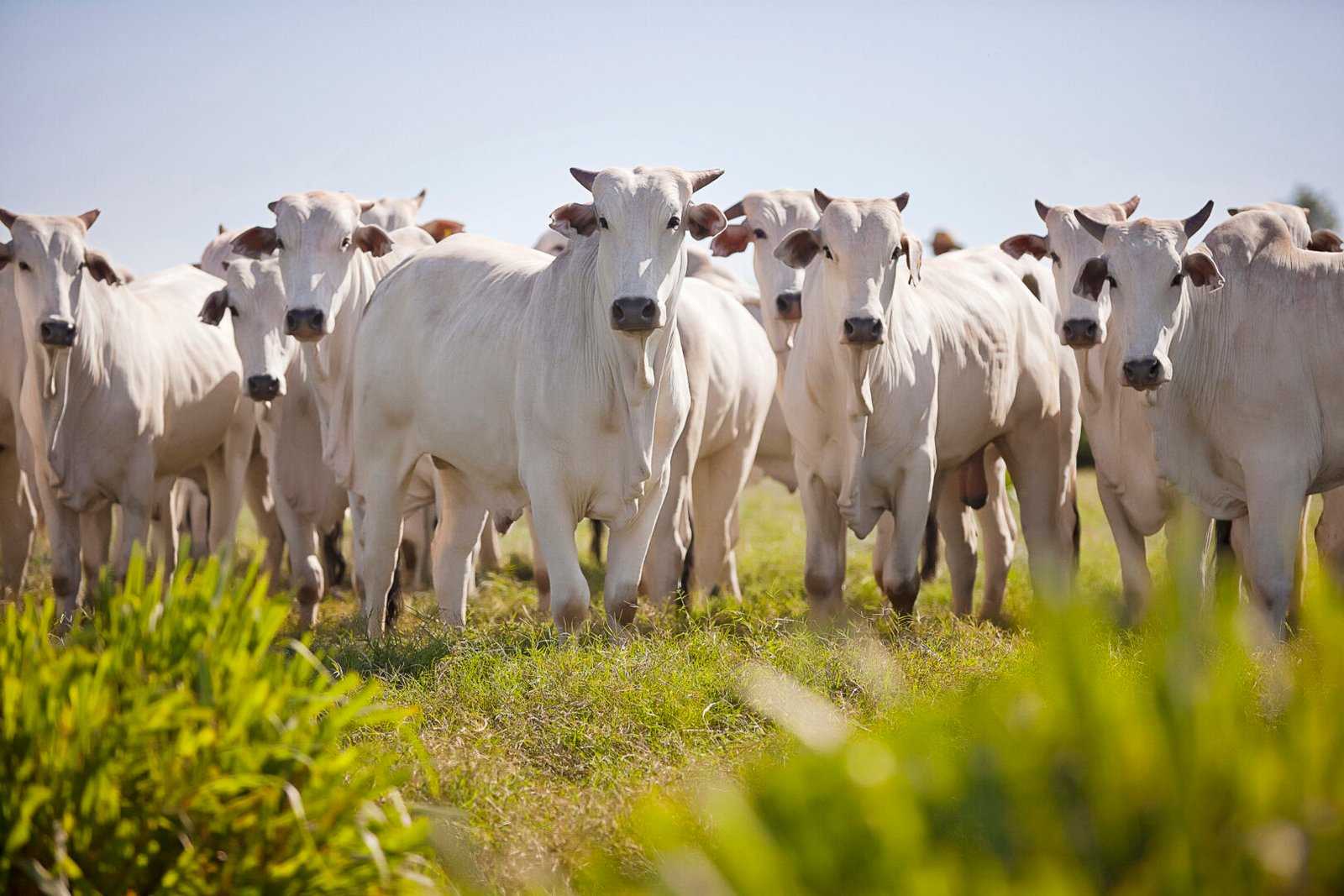
The research was conducted in partnership with the University of São Paulo’s Luiz de Queiroz College of Agriculture (ESALQ/USP) and evaluated the impact of Rumin8’s feed additive on enteric methane emissions and productive performance in Nellore cattle under conditions simulating commercial Brazilian feedlot operations.
Over the 120-day study period, cattle receiving the feed additive as part of a total mixed ration (TMR) exhibited a 50.4 per cent reduction in methane emissions compared to a control group fed the same diet without the additive. The study also recorded a statistically significant 5 per cent improvement in feed conversion efficiency, indicating enhanced productivity alongside environmental benefits.
Methane intensity per kilogram of liveweight gain declined from 77.2 grams to 39.6 grams in cattle receiving the additive. In total, the trial achieved an estimated reduction of 29.8 tonnes of CO₂ equivalent emissions, while also delivering lower feed consumption and improved production performance.
The experiment involved two groups of Nellore bulls. A group of 80 animals housed in individual pens enabled precise measurement of feed intake and methane emissions, while a second group of 200 animals in collective pens replicated commercial-scale operational conditions. Throughout the study, cattle were fed a typical Brazilian feedlot finishing diet consisting of 12 per cent roughage and 88 per cent concentrate, with ground corn as the primary ingredient.
Independent verification of the study results is currently underway by agricultural carbon certification organizations, including Athian and FoodChain ID.
The findings highlight the potential of feed-based innovations to reduce the environmental footprint of beef production while supporting productivity gains. The initiative reflects ongoing efforts to advance sustainable practices across the livestock value chain and supports the progression of methane-reducing technologies toward broader commercial deployment in Brazil.
