
Laminarin product targets hard-to-control diseases while supporting stricter environmental standards
A new generation of crop protection is nearing a key regulatory milestone in China, as a seaweed-based biopesticide moves closer to market approval.
France-based GOËMAR S.A.S announced that its Laminarin-based product has been included in the latest list of proposed pesticide registrations released by the Institute for the Control of Agrochemicals Ministry of Agriculture and Rural Affairs. The listing signals that the product has successfully passed technical evaluation and is expected to receive final registration following a public notice period.
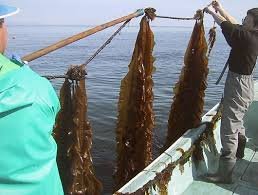
Derived from Laminaria japonica polysaccharides, Laminarin represents a shift from conventional chemical fungicides toward biological crop protection. Rather than directly eliminating pathogens, the compound activates plants’ natural defense systems by triggering systemic acquired resistance, effectively preparing crops to fend off disease.
The product is designed to target persistent and economically damaging diseases, including gray mold in strawberries and powdery mildew in cucumbers—both of which are known to develop resistance to traditional chemical treatments.
The anticipated approval underscores growing momentum for biopesticides in China, where regulators and growers are increasingly prioritizing sustainable agriculture and stricter residue standards. Biological solutions like Laminarin offer a low-toxicity alternative while supporting resistance management strategies in intensive farming systems.
For global agrochemical companies, the development also highlights the expanding commercial viability of biological products in one of the world’s largest agricultural markets, as China accelerates its transition toward greener crop protection technologies.
