
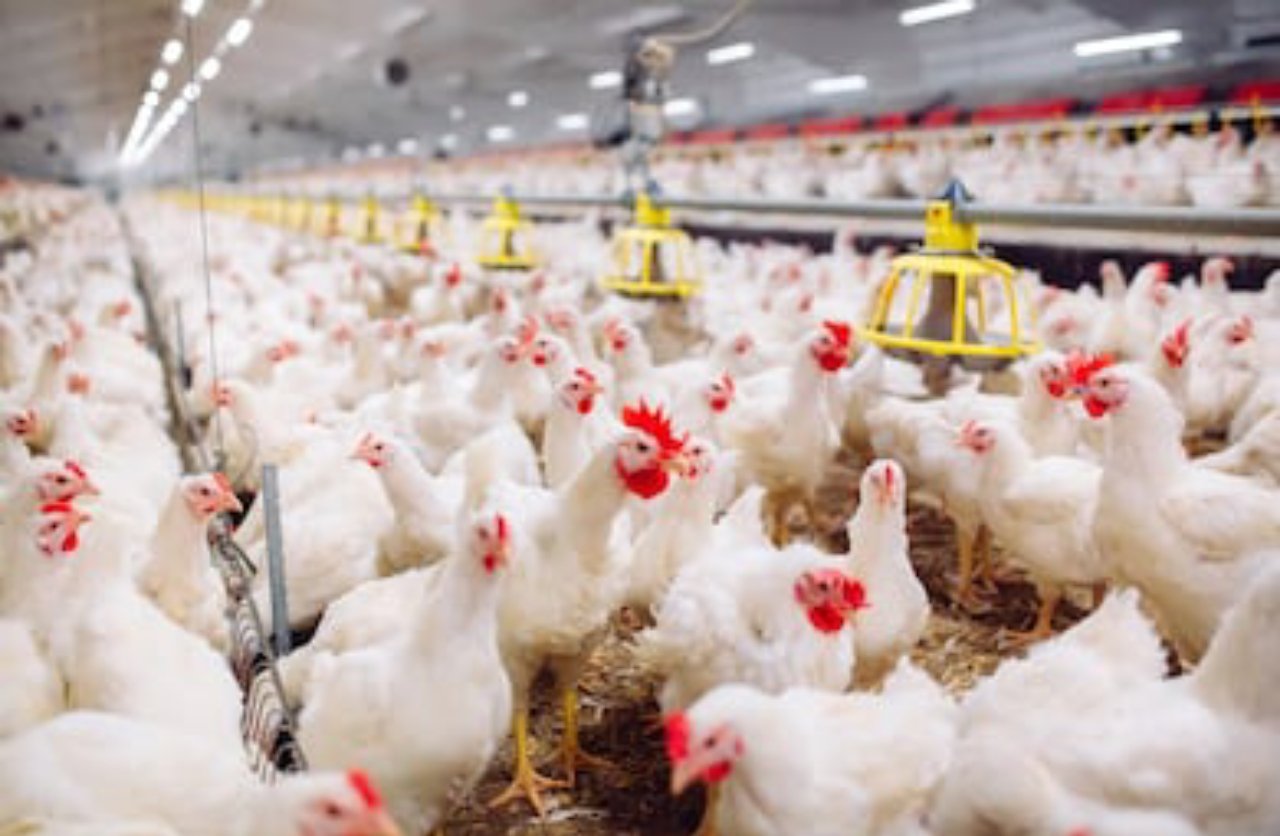
H5N1 detection in Eastern Region raises concerns over livestock health and supply chains
Ivory Coast has reported a new outbreak of highly pathogenic avian influenza (H5N1), underscoring renewed risks to poultry production and regional livestock health systems.
According to the World Organisation for Animal Health, the outbreak was detected at a poultry farm in the eastern district of Koun-Fao, near the border with Ghana. The virus has resulted in the death of approximately 95,000 birds, highlighting the severity of the infection and its rapid impact on commercial flocks.
Authorities indicated that the outbreak forms part of a broader global pattern of avian influenza spread, which has continued to disrupt poultry industries across multiple geographies in recent years. The H5N1 strain, known for its high pathogenicity, poses a significant threat to animal health and can trigger substantial economic losses due to mortality, culling and trade restrictions.
The incident has prompted heightened surveillance and monitoring efforts by national veterinary authorities, with measures expected to focus on containment, biosecurity reinforcement and preventing further transmission within and beyond the affected zone.
Industry observers note that outbreaks of this nature can have cascading effects on poultry supply chains, impacting feed demand, farm incomes and export potential, particularly in regions where poultry farming plays a critical role in food security and rural livelihoods.
The latest development reinforces the need for strengthened disease preparedness, regional coordination and investment in veterinary infrastructure to mitigate the recurring risks posed by transboundary animal diseases.
