
Bilateral meetings highlight shift toward resilience and low-emission production systems
Viet Nam is accelerating its role as a regional agricultural powerbroker, advancing strategic cooperation with the Philippines and Japan through a series of high-level bilateral meetings held on the sidelines of the FAO Regional Conference for Asia and the Pacific (APRC 38) in Brunei. The discussions reflect a coordinated effort to strengthen agricultural trade, enhance sustainability, and build more resilient food systems across the Asia-Pacific region.
In talks with the Philippines, both sides placed rice trade at the center of their agenda, signaling a potential shift toward long-term export agreements aimed at stabilizing prices and ensuring consistent supply. Viet Nam proposed moving beyond short-term contracts to establish more durable commercial arrangements, a move that aligns with growing regional concerns over food security and market volatility. The Philippines indicated support for this approach and plans to convene agricultural stakeholders in mid-2026 to advance negotiations.
Beyond rice, the two countries identified coffee, fruits, vegetables, and seafood as priority sectors for expanded trade cooperation. Discussions also extended to fisheries, where both sides committed to strengthening collaboration in sustainable aquaculture and resource management. Viet Nam highlighted its efforts to address international concerns around illegal, unreported, and unregulated fishing while accelerating a broader transition toward aquaculture-based production systems.
Sustainability emerged as a key theme, with Viet Nam outlining its ambitious plan to scale high-quality, low-emission rice cultivation across one million hectares in the Mekong Delta. The initiative is designed to simultaneously boost productivity and reduce greenhouse gas emissions, positioning the country as a leader in climate-aligned agricultural transformation. Both nations also acknowledged rising global fertilizer prices as a shared challenge, underscoring the need for coordinated responses to manage input costs and food price pressures.
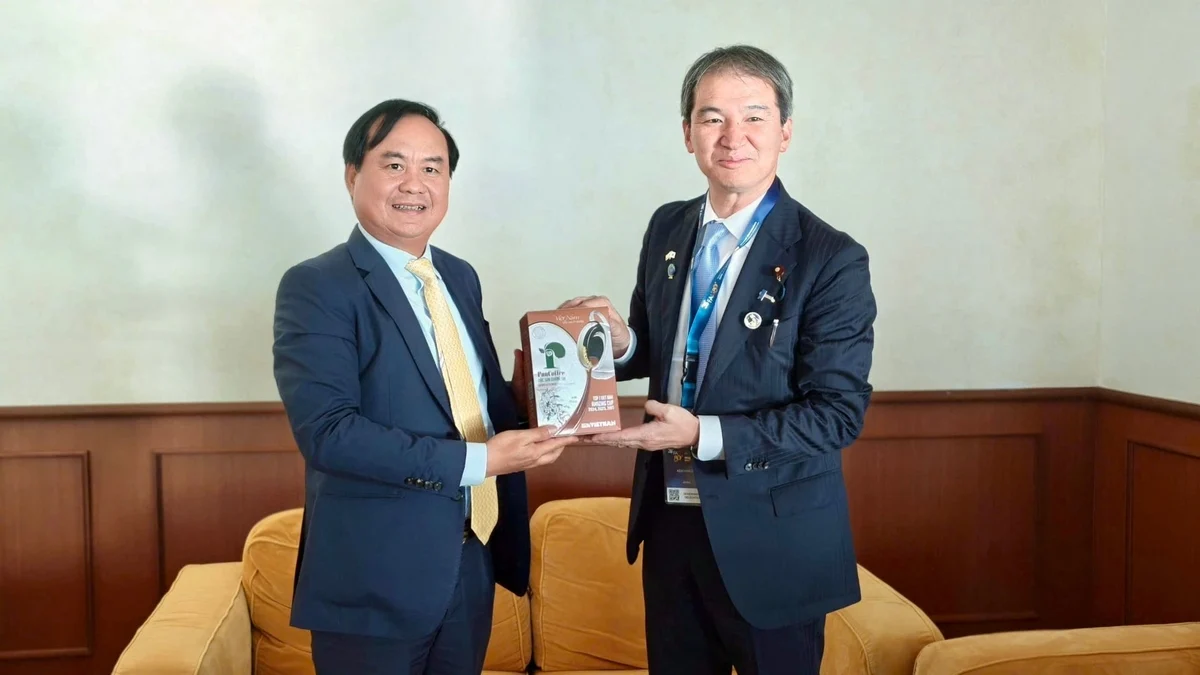
Parallel discussions with Japan reinforced Viet Nam’s strategy of deepening ties with advanced agricultural economies. Japan was reaffirmed as a critical partner in both technology transfer and market access, with cooperation spanning trade, sustainability, and food safety. The two sides explored opportunities to expand bilateral trade, including market access for Japanese grapes in Viet Nam and Vietnamese pomelos—and potentially passion fruit—in Japan.
The dialogue also highlighted Viet Nam’s commitment to greener agricultural practices, with proposals for enhanced cooperation in food safety standards and sustainable aquaculture. Preparations for Viet Nam’s participation in Green Expo 2027 in Japan further signal the country’s intent to showcase its evolving agricultural model on a global stage.
Across both engagements, a common thread emerged: the importance of structured collaboration, knowledge exchange, and long-term planning in navigating a rapidly changing agricultural landscape. By aligning trade objectives with sustainability goals, Viet Nam is positioning itself at the center of a more integrated and resilient regional food system, where productivity gains are increasingly tied to environmental performance and cross-border cooperation.
