
Investment push targets processing, traceability, and export readiness
Khanh Hoa province is steadily transforming its livestock sector from fragmented, small-scale operations into a modern, technology-driven value chain, underpinned by biosafety, digitalisation, and strategic investment. The transition reflects a broader effort to enhance productivity, ensure disease resilience, and unlock higher value from livestock production.
In recent years, the province has accelerated the adoption of industrial-scale farming models, supported by science-led practices and stringent biosecurity standards. With a network of 368 livestock farms focusing on key segments such as pigs, poultry, and cattle, the shift is marked not only by scale but by the integration of advanced technologies. Automated systems for feeding, climate control, and waste management are increasingly being deployed, enabling greater operational efficiency while reducing environmental impact.
Biosafety has emerged as a central pillar of this transformation, particularly in the face of climate variability and recurring disease threats. The province currently has 22 certified disease-free livestock facilities, covering major risks such as avian influenza, African swine fever, and foot-and-mouth disease. Authorities are reinforcing this framework through strict input controls, mandatory vaccination protocols, and enhanced surveillance systems to safeguard herd health and production continuity.
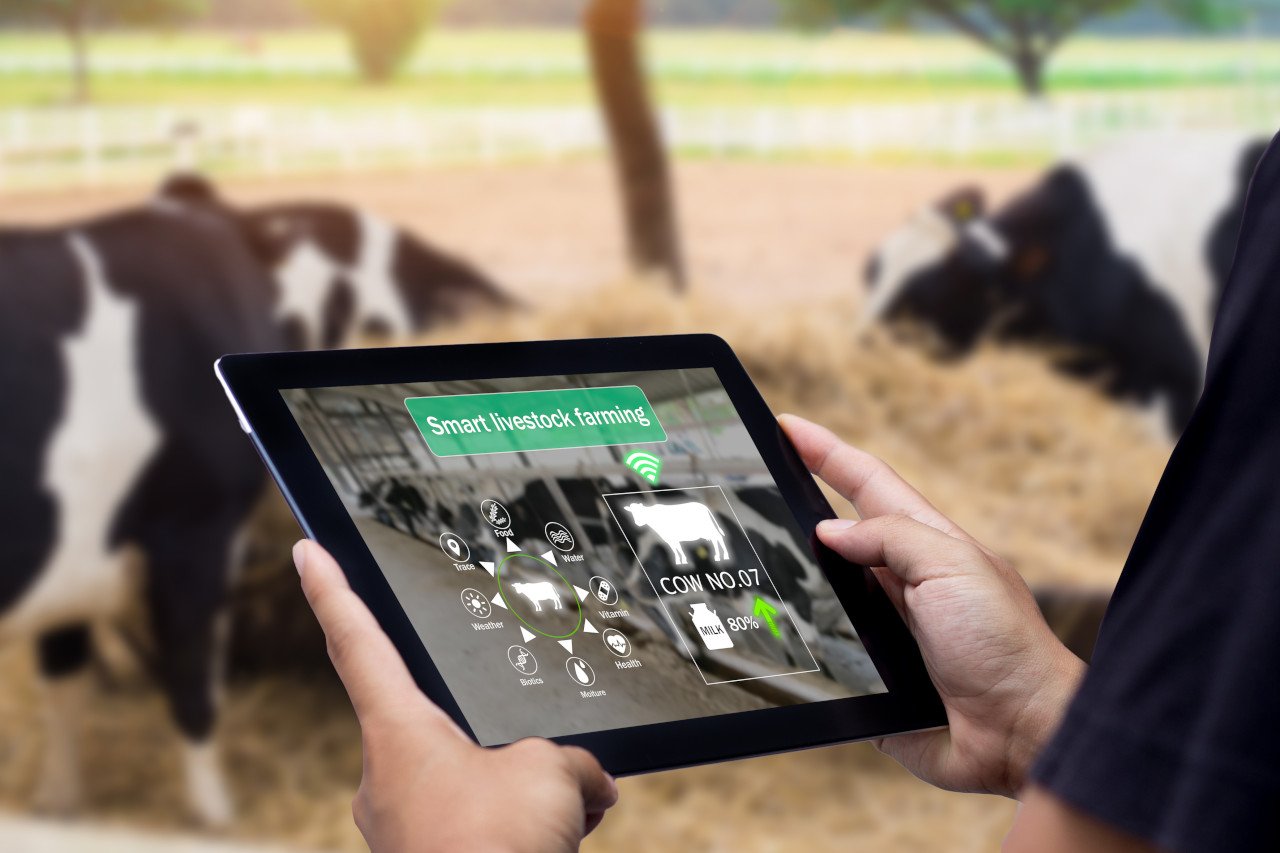
Digital tools are also gaining traction, enabling real-time tracking of livestock data and improving traceability across the supply chain. This shift toward data-driven management is expected to strengthen transparency and build consumer confidence in livestock products.
Despite these advances, a key challenge remains the limited value addition, as a significant share of livestock output is still marketed in raw form. To address this, Khanh Hoa is actively promoting investment in downstream infrastructure, including centralized slaughtering and processing facilities. A proposed policy framework for 2026–2030 offers financial support of up to 60 percent of project costs, alongside state-backed investments in essential infrastructure such as power, water, and transport connectivity.
The province has already established effective production linkages with major industry players such as CP Livestock Company Vietnam and CJ Vina Agri Company Limited. These partnerships are fostering integrated farm-to-market ecosystems, where enterprises drive market access and farmers contribute as primary producers. Looking ahead, Khanh Hoa is exploring alignment with international standards, including Halal certification, to expand export opportunities.
At the policy level, authorities are addressing structural constraints, particularly land use challenges and the relocation of livestock operations away from residential areas. Guided by evolving regulatory frameworks, the province is working to create designated farming zones that balance economic growth with environmental sustainability.
Officials emphasise that future expansion must be market-aligned and integrated into organised value chains to avoid price volatility. Farmers are being encouraged to adopt standards such as VietGAP and leverage technologies like QR-based traceability to enhance product credibility.
With a coordinated approach combining policy support, private investment, and technological adoption, Khanh Hoa is positioning its livestock sector as a modern, resilient, and high-value contributor to regional agriculture.
