
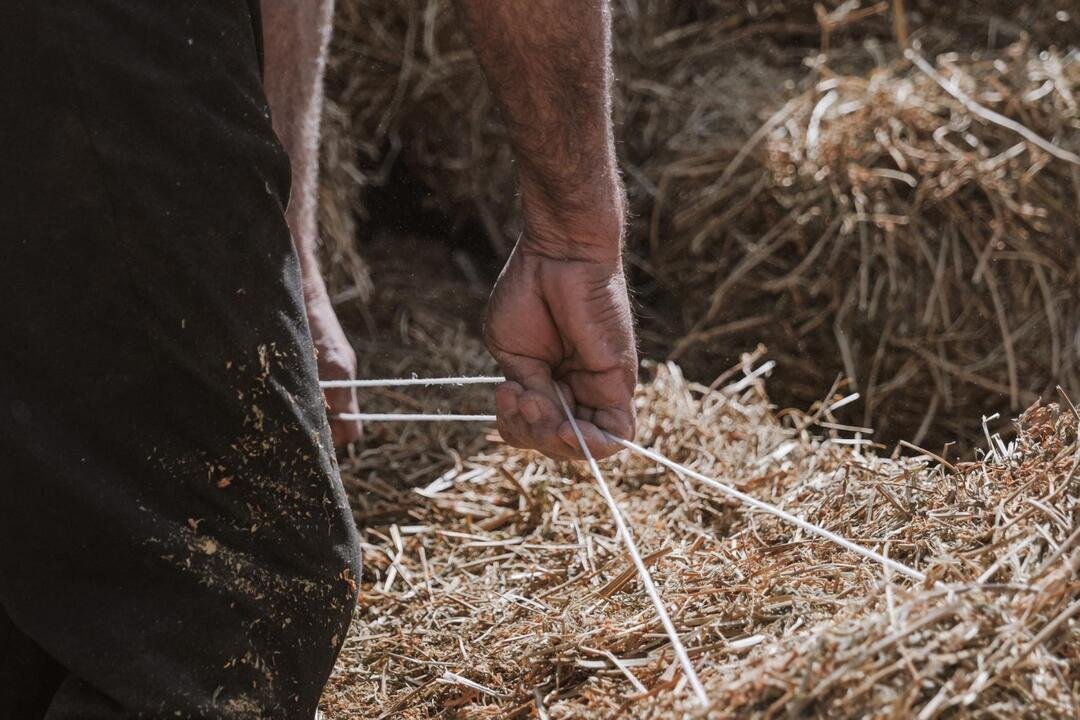
Lebanon’s Ministry of Agriculture, in partnership with the Food and Agriculture Organization of the United Nations and backed by the Government of Japan, has launched a targeted initiative to restore agricultural livelihoods and strengthen food system resilience in conflict-affected regions of South Lebanon.
The project, titled “Enhancing Recovery and Resilience of Agrifood Systems and Rural Livelihoods in Conflict-Affected Areas of South Lebanon,” is designed to support approximately 230 vulnerable farming households, representing around 1,150 individuals, across the South and Nabatiyeh governorates. Focused on both crop and livestock systems, the initiative aims to stabilize food production, safeguard incomes, and rebuild local agrifood value chains disrupted by ongoing conflict.
From Emergency Relief to Sustainable Recovery
Positioned at the intersection of humanitarian response and long-term development, the program seeks to protect productive assets while enabling continuity in farming activities. Smallholder farmers will receive tailored support packages, including critical inputs such as fodder for livestock, helping prevent the loss of key livelihood assets in regions where access and supply chains remain constrained.
The initiative also places a strong emphasis on inclusive recovery, with at least 30 per cent of beneficiaries being women, including female-headed households—recognizing their central role in sustaining rural economies and food systems.
Strengthening Resilience Amid Compounding Pressures
The launch comes at a time when Lebanon’s agricultural sector is facing overlapping challenges from conflict, climate stress, and economic instability. The program adopts a science-based and systems-oriented approach, aimed at rebuilding agricultural productivity while enhancing resilience to future shocks.
Beyond immediate support, the initiative is aligned with broader national priorities to revitalize agricultural value chains, improve natural resource management, and promote innovation in farming systems. By reinforcing both production capacity and institutional coordination, the project aims to create a more stable foundation for long-term food security.
Global Partnership Anchored in Food Security
The collaboration underscores a deepening international commitment to safeguarding agriculture in fragile contexts, with Japan playing a key role in financing recovery efforts. The partnership between Lebanon, FAO, and Japan reflects a shared focus on linking emergency interventions with sustainable development outcomes, particularly in rural areas most affected by conflict.
Securing Livelihoods, Sustaining Economies
By enabling farmers to maintain production and protect livestock assets, the initiative aims to prevent further erosion of rural livelihoods while supporting local food supply chains. In doing so, it reinforces agriculture’s role not only as an economic sector, but as a cornerstone of stability, food sovereignty, and community resilience.
As Lebanon navigates a complex recovery landscape, the project signals a strategic shift toward integrated, resilience-driven agricultural development, where timely intervention today lays the groundwork for long-term sustainability.
