
High double-digit million-euro investment strengthens in-house production of microbial-based fungicides and seed treatments, enhancing supply chain resilience and biologicals capacity
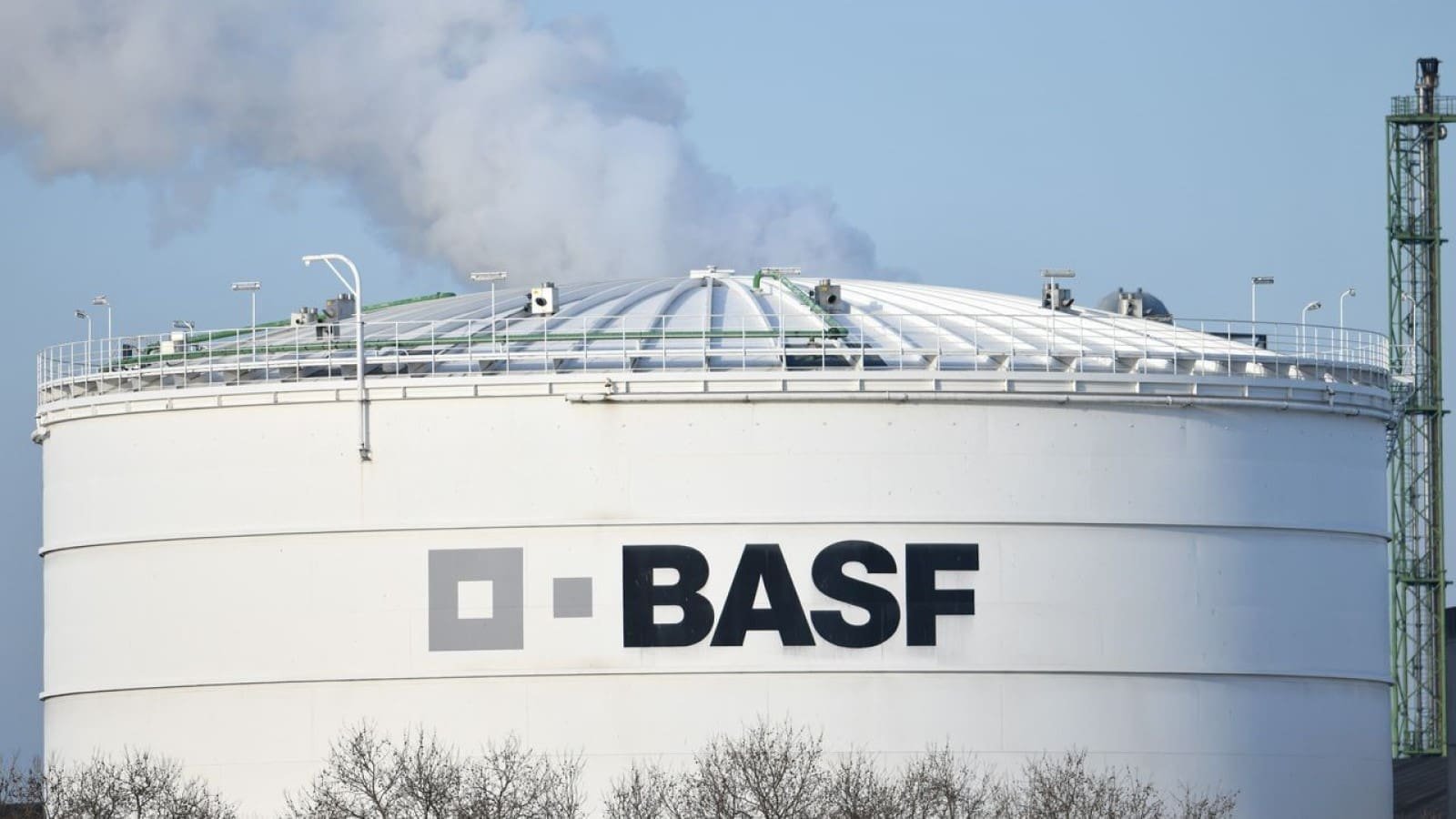
BASF Agricultural Solutions has successfully commissioned its new BioHub fermentation plant at its Ludwigshafen site, marking a strategic expansion of its industrial biotechnology capabilities with a focus on biological and biotechnology-based crop protection solutions. The facility represents a high double-digit million-euro investment aimed at scaling BASF’s biologicals portfolio and strengthening long-term supply chain resilience.
The new BioHub facility uses microbial fermentation processes to convert renewable feedstocks such as glucose into active biological ingredients. The plant has already begun commercial production of key active substances, including Bacillus amyloliquefaciens, which forms the basis of the biological fungicide Serifel, and the main component of Inscalis, an insecticide derived from the fungal strain Penicillium coprobium. These products are designed to support integrated crop protection programs focused on sustainability and reduced chemical dependency.
BASF stated that bringing fermentation processes in-house significantly enhances production flexibility, execution efficiency, and supply chain stability, allowing the company to better align research capabilities with industrial-scale manufacturing. The company also noted that internal production strengthens its ability to respond to rising global demand for biological crop protection solutions.
According to BASF Agricultural Solutions, the global biologicals market continues to expand steadily, driven by increasing demand for sustainable agricultural inputs. The BioHub is expected to provide a scalable and flexible manufacturing platform to support this growth while ensuring consistent supply of biological active ingredients to farmers worldwide.
Dr. Melanie Bausen-Wiens, Member of the Management Board of Agricultural Solutions responsible for Technology, said the commissioning of the BioHub marks a key milestone in BASF’s industrial biotechnology strategy, enabling closer integration between research and large-scale production and accelerating the development of biotechnological innovations.
Maximilian Becker, Member of the Management Board responsible for Business, added that the facility strengthens BASF’s BioSolutions portfolio and enhances its ability to deliver reliable biological products to customers, positioning the company to capture growth in sustainable crop protection markets.
With the commissioning of the Ludwigshafen BioHub, BASF reinforces its strategic shift toward biological and fermentation-based solutions, aligning with broader industry trends toward sustainable agriculture, integrated crop protection, and reduced environmental impact.
