
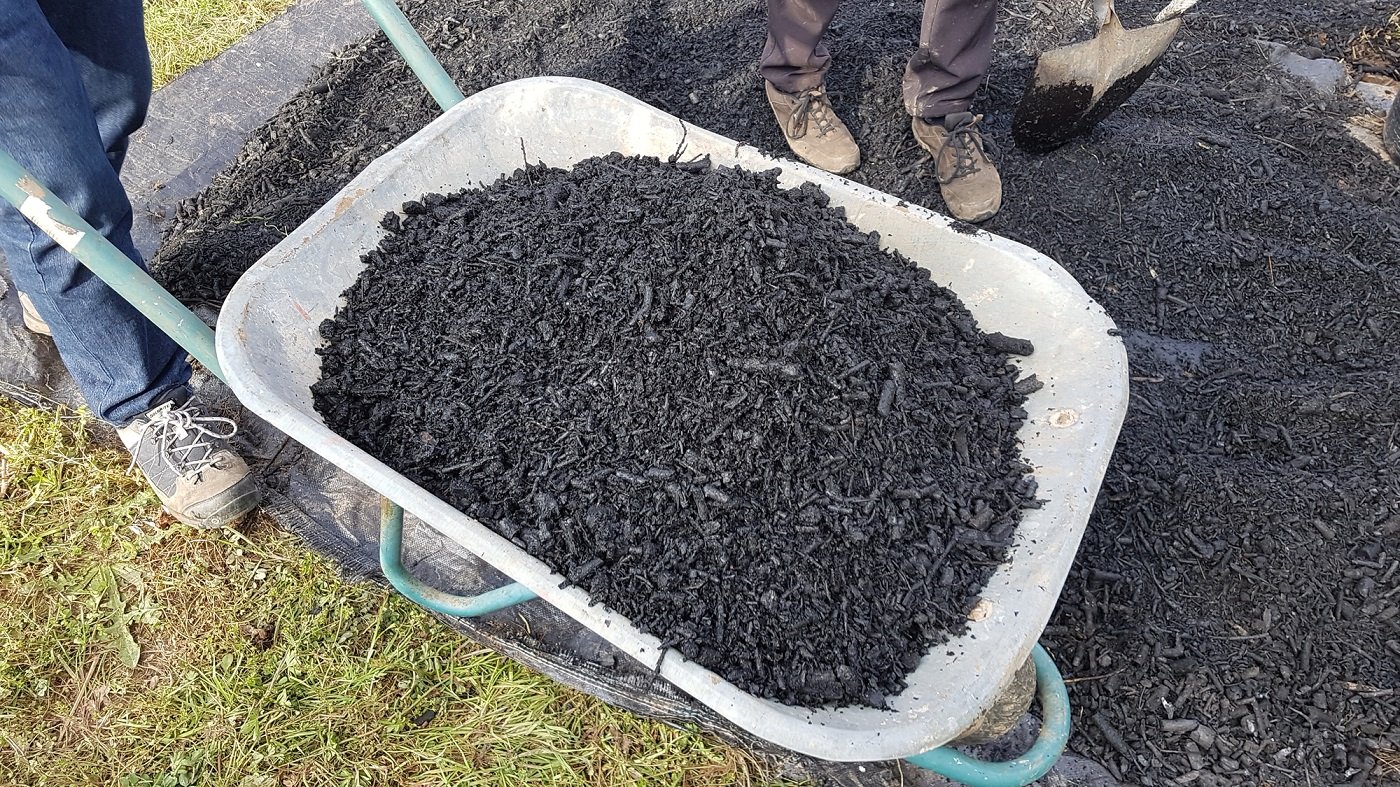
New automated pyrolysis system converts agricultural residue into biochar to improve soil health, reduce fertilizer dependence, and support regenerative agriculture programs in Texas
Prairie View A&M University has installed a $1 million automated biochar processing unit designed to convert agricultural crop residues into a carbon-rich soil amendment, marking a step forward in sustainable soil management and circular agriculture practices in the United States.
The initiative, led by Dr. Ram Ray from the university’s College of Agriculture, Food, and Natural Resources, enables the large-scale production of biochar through an automated system that improves processing efficiency compared to traditional laboratory-scale methods. The facility is expected to support field-level demonstrations and applied research in soil health and carbon cycling.
Biochar is produced through pyrolysis, a process that involves heating organic materials such as corn stover, wheat straw, and other crop residues under low-oxygen, high-temperature conditions. The resulting material is highly porous and is known to improve soil structure, enhance water retention, reduce nutrient leaching, and support microbial activity in soils.
The university said the system is designed not only for research but also for practical agricultural application, with outreach programs planned to allow farmers to bring crop waste to the facility and receive processed biochar in return. This model positions the unit as a dual-purpose system focused on waste valorisation and soil fertility enhancement.
The project comes amid rising global interest in biochar as a sustainable input alternative, particularly in the context of elevated synthetic fertilizer costs and increasing emphasis on regenerative agriculture practices. Market estimates suggest the global biochar industry was valued at $1.7 billion in 2023 and is projected to grow at over 13 per cent annually through 2030, driven by carbon credit markets and soil restoration initiatives.
Prairie View A&M stated that the new facility will support research-driven innovation in soil management while contributing to broader efforts to improve agricultural sustainability, enhance productivity, and support climate-resilient farming systems.
