
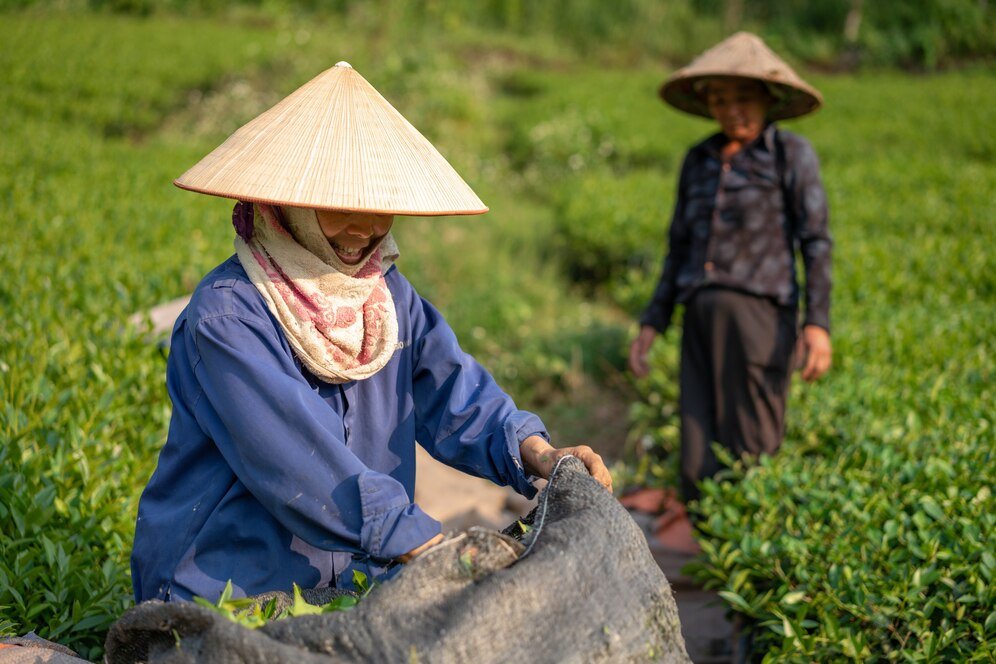
Empowering women in Asia and the Pacific to accelerate an agrifood systems transformation
In Asia and the Pacific, as rural women play a pivotal role across food systems, contributing to agriculture, fisheries, aquaculture, forestry, and livestock sectors. However, they often face many of these significant challenges in accessing essential resources. In wage employment within agriculture, rural women earn 82 cents for every dollar earned by men.
Food and Agriculture Organization of the United Nations (FAO) Regional Office for Asia and the Pacific recently on ‘International Day of Rural Women’ voiced regarding inclusive opportunities to break barriers to ensure gender equality, improve access to water resources, and promote financial inclusion for rural women. According to FAO’s 2023 ‘Status of Women in Agrifood Systems’ report, bridging the gender gap in farm productivity and the wage gap would increase global gross domestic product (GDP) by nearly $1 trillion and would reduce food-insecurity for 45 million people. In southern Asia, 71 percent of women are working in agrifood systems, compared with 47 percent of men. Despite their active contribution to food security, women are more likely to experience food insecurity than men.
Robert Simpson, Special Adviser to the Assistant Director-General and Regional Representative of the FAO Regional Office for Asia and the Pacific said that “it is crucial to address gender issues in policies, programmes and investments in agriculture and food systems. FAO recognizes the potential of rural women and men in achieving food security and is committed to overcoming gender inequality in the region”.
FAO’s regional programmes focus on promoting financial inclusion and breaking down the barriers that have limited their access to credit, savings, and insurance. In the Asia-Pacific region, FAO collaborates with Member Nations in promoting gender equality at the policy and strategic levels while addressing gender gaps within communities through women’s economic empowerment. For example, FAO has employed initiatives on behalf of Members to improve water access for rural women, enable them to irrigate their crops, generate livelihoods, and lead healthier lives.
The FAO Regional Gender Strategy and Action Plan 2022–25 approach commitments to the “Four Betters” – better production, better nutrition, a better environment, and a better life for all.
