
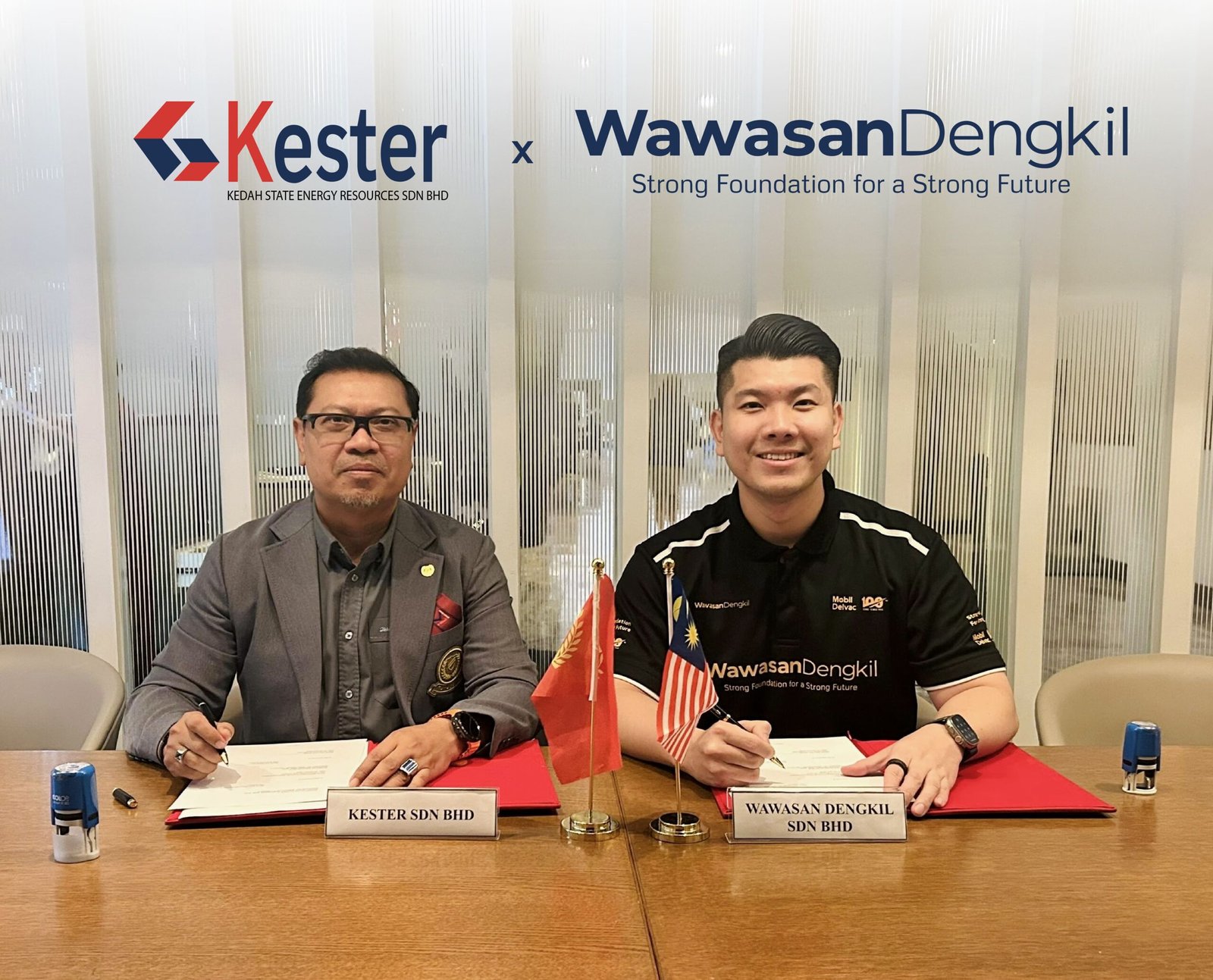
Aim to facilitate development of solar, hybrid, biomass, and other renewable energy projects
Malaysia’s Wawasan Dengkil and Kester Sdn Bhd have signed a new Memorandum of Understanding (MOU) to drive investments and development in green and sustainable energy sectors. This significant agreement highlights a collaborative effort to promote environmentally friendly energy solutions while addressing key challenges in infrastructure and regulation.
The MOU serves as a strategic step toward fostering a transition to cleaner energy sources and supporting the global push for sustainability. The primary objective of the MOU is to promote investments in green and sustainable energy sectors. This includes attracting both domestic and international funding to support projects that align with environmental goals. By encouraging financial backing for renewable energy initiatives, the agreement seeks to create a robust ecosystem that can sustain long-term growth in this critical area. Investments are expected to target a range of technologies, from well-established solutions like solar and wind energy to emerging options such as hybrid systems and biomass energy.
A key focus of the MOU is the facilitation of the development of solar, hybrid, biomass, and other renewable energy projects. Solar energy, in particular, has seen rapid growth as a clean and abundant energy source, and this agreement aims to expand its adoption further. Hybrid energy projects, which combine multiple renewable sources such as solar and wind, are also emphasized for their potential to provide consistent and reliable power.
Biomass energy, derived from organic materials, is another area of focus, particularly for regions with agricultural or forestry waste that can be converted into usable energy. These diverse approaches reflect a comprehensive strategy to harness the full potential of renewable energy sources. Another critical aspect of the MOU is the coordination of infrastructure readiness.
For renewable energy projects to succeed, the necessary physical and logistical infrastructure must be in place. This includes building transmission lines, storage facilities, and grid systems capable of integrating renewable energy into existing energy networks. The MOU outlines plans to assess and improve infrastructure to ensure that new energy projects can be seamlessly incorporated into the broader energy landscape. This step is essential for avoiding bottlenecks and ensuring that renewable energy can be delivered efficiently to end users. The MOU also prioritizes regulatory facilitation with relevant authorities. One of the challenges in implementing renewable energy projects is navigating complex regulatory frameworks.
By working closely with government bodies, local regulators, and other stakeholders, the agreement aims to streamline approval processes, reduce bureaucratic hurdles, and create a more supportive environment for green energy initiatives. This regulatory coordination is expected to encourage faster project approvals, reduce delays, and provide clarity to investors and developers about the rules and requirements they must follow. The announcement of this MOU comes at a time when the global energy sector is undergoing a significant transformation.
Countries around the world are setting ambitious targets to reduce carbon emissions and transition away from fossil fuels. This agreement aligns with those broader goals by providing a framework for action at a local or regional level. It also reflects a growing recognition of the economic opportunities associated with green energy, including job creation, technological innovation, and energy security. In addition to its immediate objectives, the MOU symbolizes a commitment to collaborative action. By bringing together various stakeholders, including investors, project developers, and regulatory bodies, the agreement fosters a sense of shared responsibility for achieving sustainability targets. This cooperative approach is seen as essential for overcoming the challenges associated with transitioning to a greener energy future.
In conclusion, this MOU represents a forward-looking initiative that combines investment promotion, project development, infrastructure enhancement, and regulatory support to advance the cause of sustainable energy. Its comprehensive scope and clear objectives position it as a vital tool in the ongoing effort to build a cleaner, more resilient energy system.
