
Sale of laboratory and pilot-scale bioprocessing equipment signals a sharp operational contraction for the well-funded climate-tech startup amid tightening capital markets and scaling challenges in industrial biotechnology
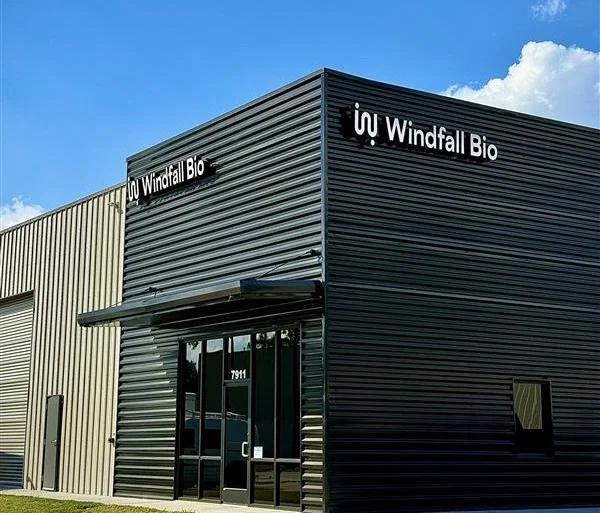
Windfall Bio, a venture-backed climate technology company pioneering methane-to-fertilizer conversion systems, has initiated the auction of laboratory and demonstration-scale production assets across its facilities in California and Texas, signalling a significant strategic retrenchment within the emerging carbon-to-value agricultural input sector.
According to industry reports, Silicon Valley Disposition has been tasked with liquidating a broad portfolio of scientific instrumentation and process equipment from the company’s San Mateo headquarters and its pilot-scale production site in Humble, Texas.
The auction inventory includes sophisticated analytical and bioprocessing infrastructure such as LC/MS/MS systems, GC/MS platforms, HPLC instruments, bench-scale bioreactors, incubator shakers, freeze-drying equipment, and large-scale fermentation assets previously deployed for demonstration and production activities.
The divestment marks a notable development for a company that had emerged as one of the most prominent ventures within the methane-utilisation and biological fertilizer innovation landscape.
Established in 2022 by entrepreneur Josh Silverman, Windfall Bio developed a proprietary microbial platform designed to capture methane emissions from agricultural and industrial sources, including dairy operations and landfill sites. The methane-consuming microorganisms convert greenhouse gas emissions into nitrogen-rich biomass that can be utilised as organic fertilizer or soil-conditioning material.
The company rapidly attracted investor attention as demand intensified for technologies capable of simultaneously addressing emissions reduction and sustainable agricultural productivity.
In 2023, Windfall Bio secured $9 million in seed financing, followed by a $28 million Series A fundraising round in 2024. The investor syndicate included prominent climate-focused backers such as Prelude Ventures and Amazon’s Climate Pledge Fund, positioning the company among the better-capitalised startups operating within the agricultural decarbonisation ecosystem.
However, the asset liquidation comes against a backdrop of increasingly difficult financing conditions across the agrifood technology, climate technology, and industrial biomanufacturing sectors.
Industry analysts note that businesses dependent on capital-intensive scale-up pathways continue to face heightened investor scrutiny, longer fundraising cycles, and mounting pressure to demonstrate commercial viability and operational profitability.
While Windfall Bio has not publicly clarified whether the auctions form part of a restructuring programme, strategic realignment, or broader operational wind-down, the breadth of assets being offered suggests a substantial reduction in research, development, and demonstration-scale activities.
The development highlights broader challenges confronting next-generation biological manufacturing ventures, many of which must navigate significant technological, operational, and financial hurdles before achieving commercial-scale deployment.
Despite strong investor interest in climate-smart agricultural technologies, the sector continues to grapple with the complexities of scaling novel biological processes, securing market adoption, and delivering competitive economics within established agricultural input markets.
The Windfall Bio retrenchment serves as a reminder that while innovative climate and agricultural technologies remain critical to long-term sustainability objectives, the pathway from scientific breakthrough to commercial success remains capital-intensive, operationally demanding, and highly sensitive to shifts in investor sentiment and market conditions.
