
A strategic infusion of high-genetic-merit livestock to accelerate dairy and beef productivity
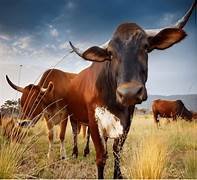
Rwanda has taken a decisive stride in modernising its livestock sector with the arrival of a first consignment of high-genetic-merit bulls imported from Germany. The initiative, led by the Rwanda Agriculture and Animal Resources Development Board (RAB), is designed to accelerate genetic improvement through artificial insemination systems and strengthen national dairy and beef productivity under the country’s broader agricultural transformation agenda.
Sourced from leading cattle breeders in Germany, the Holstein-Friesian bulls represent a significant leap in breeding quality, carrying the genetic potential to produce cows capable of yielding over 10,000 litres of milk per lactation—far above prevailing national averages. This genetic intervention is expected to widen access to superior semen, enabling farmers to upgrade herd quality without the prohibitive cost of importing breeding stock.
Building the Foundations of a National Genetic Improvement Ecosystem
The programme forms part of Phase II of the Rwanda Dairy Development Project (RDDP-2), a multi-year initiative supported by international development financing aimed at modernising dairy systems, improving productivity, and enhancing milk quality across smallholder and commercial farms.
Authorities have confirmed that this first delivery is only the beginning of a phased expansion. An additional batch of bulls—comprising dairy breeds such as Jersey and Brown Swiss, alongside beef breeds including Angus and Charolais—is expected to arrive in April 2026, further diversifying the national genetic pool.
The bulls will be stationed at the Songa Centre of Excellence in Bovine Genetic Improvement in Huye District, which is being positioned as a national hub for advanced reproductive technologies including artificial insemination, embryo transfer, research, and breeder training.
From Girinka to Genomics: Rwanda’s Long Arc of Livestock Transformation
Rwanda’s current genetic upgrade is rooted in nearly two decades of livestock reform that began with the “Girinka” programme in 2006, which introduced improved dairy breeds such as Holstein and Jersey cattle to rural households. Since then, sustained investment in crossbreeding, veterinary capacity, and artificial insemination systems has steadily improved national herd productivity.
This trajectory has already yielded measurable gains, with national milk production rising significantly in recent years, reflecting the cumulative impact of genetics-led agricultural policy. The latest intervention signals a shift from incremental improvement to precision-driven livestock transformation, anchored in biotechnology and global breeding integration.
Strengthening Rural Livelihoods and National Food Security
Government and development stakeholders view the genetic enhancement programme as central to achieving Rwanda’s long-term targets under national agricultural transformation frameworks, which aim to substantially increase milk and meat output by 2028–2029.
By improving reproductive efficiency and accelerating genetic diffusion, the initiative is expected to raise farmer incomes, strengthen food and nutrition security, and reduce dependence on external livestock genetics over time. It also aligns with a broader ambition to reposition Rwanda’s livestock sector as a technologically advanced, self-sustaining pillar of rural development.
Toward a Data-Driven Livestock Future
Beyond immediate productivity gains, the programme signals a structural shift toward science-led livestock management. The integration of artificial insemination, embryo technologies, and genetic data systems is expected to gradually transform cattle farming from a traditional practice into a precision-based agricultural system.
In essence, Rwanda’s import of elite German bulls is not merely an act of livestock procurement—it is a deliberate investment in the biological future of its agricultural economy, where genetics, technology, and policy converge to redefine productivity at scale.
