
New 2026–2030 Cooperation Framework targets marine governance, climate resilience, coastal protection, and ecological transformation
As climate volatility and marine resource pressures intensify across Southeast Asia, Viet Nam and the French Development Agency (AFD) are moving to deepen their strategic alliance around one of the region’s most consequential economic frontiers: the sustainable blue economy.
In a high-level meeting convened by the Viet Nam Agency of Seas and Islands, officials from both governments outlined an expanded cooperation roadmap for the 2026–2030 period centered on marine resource governance, environmental resilience, coastal ecosystem protection, and the long-term development of sustainable ocean-linked industries.
The discussions reflect a broader convergence between Viet Nam’s climate and maritime ambitions and France’s growing role as a strategic development partner in the Indo-Pacific, particularly through financing mechanisms tied to ecological transition and climate adaptation.
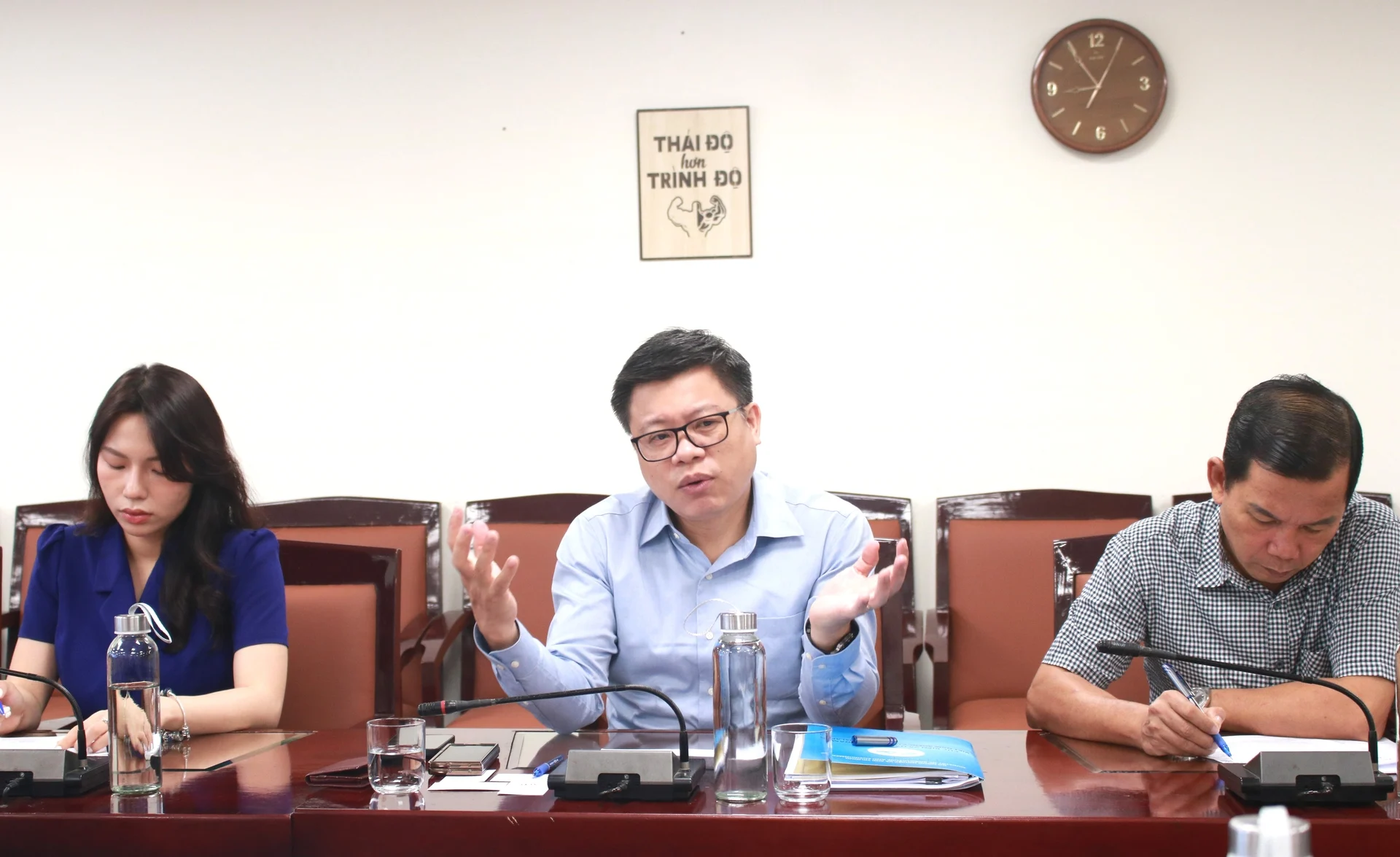
Led by Director General Nguyen Quoc Toan, the Vietnamese delegation emphasized the need for stronger institutional frameworks capable of supporting integrated marine and island management at a time when rising sea levels, coastal degradation, and competing economic pressures are reshaping the country’s maritime landscape.
Vietnamese officials proposed expanded support from AFD in areas ranging from policy modernization and intersectoral marine governance to the development of integrated databases, information systems, and blue economy implementation models designed to balance economic growth with environmental sustainability.
The discussions also highlighted a growing recognition that future economic resilience in coastal nations will increasingly depend on the ability to govern marine ecosystems with the same sophistication traditionally reserved for land-based industrial sectors.
“AFD is a public financial institution of the French Government that has operated in Viet Nam since 1994 and serves as a strategic partner of the Ministry of Agriculture and Environment in sustainable development, climate change response, and green growth,” said Nguyen Thi Thanh An, Head of Ecological Transition for Territories at AFD Viet Nam.
Over the past several years, AFD has steadily expanded its footprint across Viet Nam’s environmental and climate adaptation landscape. Among its flagship initiatives was the integrated management support project for Hai Phong estuary, Ha Long Bay, and Bai Tu Long Bay, financed alongside the French Facility for Global Environment (FFEM) between 2021 and 2023.
That initiative strengthened coordination mechanisms between Hai Phong and Quang Ninh provinces while advancing integrated coastal zone management practices in some of Viet Nam’s most ecologically and economically significant marine corridors.
AFD is also currently supporting one of the country’s most ambitious coastal adaptation initiatives in Ca Mau Province, where more than VND849 billion — equivalent to nearly EUR32 million — has been allocated toward the construction of West Sea dyke systems and coastal erosion protection infrastructure between 2024 and 2027.
According to Vu Canh Toan, Lead Expert and Chief Coordinator of the Water and Natural Resources Management Facility (WARM), the project combines physical climate resilience measures with mangrove ecosystem restoration and livelihood transformation programs aimed at reducing dependence on nearshore fishing activities.
The strategy reflects a deeper shift underway in global development finance itself, where climate adaptation is increasingly being integrated with social resilience, biodiversity protection, and long-term economic restructuring.
In the coming years, AFD intends to leverage the WARM platform as a bridge between locally implemented projects and national policymaking frameworks, supporting institutional reforms, marine decision-support systems, spatial impact assessments, and technical capacity-building initiatives.
The agency also signaled readiness to assist Viet Nam in constructing shared marine and island resource databases capable of improving policy coordination and balancing competing blue economy priorities.
The scale of AFD’s broader climate engagement in Viet Nam is already substantial. Across 15 provinces and cities, the agency is financing projects linked to flood mitigation, saline intrusion management, coastal erosion prevention, and integrated water resource systems — all designed to strengthen climate resilience in vulnerable urban and coastal regions.
These initiatives align closely with AFD’s 2021–2025 country strategy for Viet Nam, which centers on supporting the nation’s pathway toward net-zero emissions by 2050 through low-carbon energy transition, ecological territorial development, and expanded sectoral policy dialogue.
Between 2021 and 2025 alone, AFD committed approximately EUR713 million toward 15 new projects aligned with the Paris Agreement, while also managing EUR94 million in European Union grant financing under the Global Gateway strategy to support infrastructure and climate adaptation facilities spanning energy, transport, and environmental resilience.
Beyond financing, however, the evolving partnership signals something larger: the growing geopolitical and economic significance of the blue economy itself.
As nations increasingly compete for marine resources, coastal resilience, and sustainable ocean-linked growth, the ability to govern seas and shorelines effectively is rapidly emerging as a defining measure of long-term national competitiveness.
For Viet Nam — a country with more than 3,200 kilometers of coastline and deep economic dependence on marine ecosystems — the partnership with AFD represents not merely a development initiative, but part of a broader strategic effort to secure environmental stability, economic durability, and maritime resilience in an era of accelerating climate uncertainty.
