
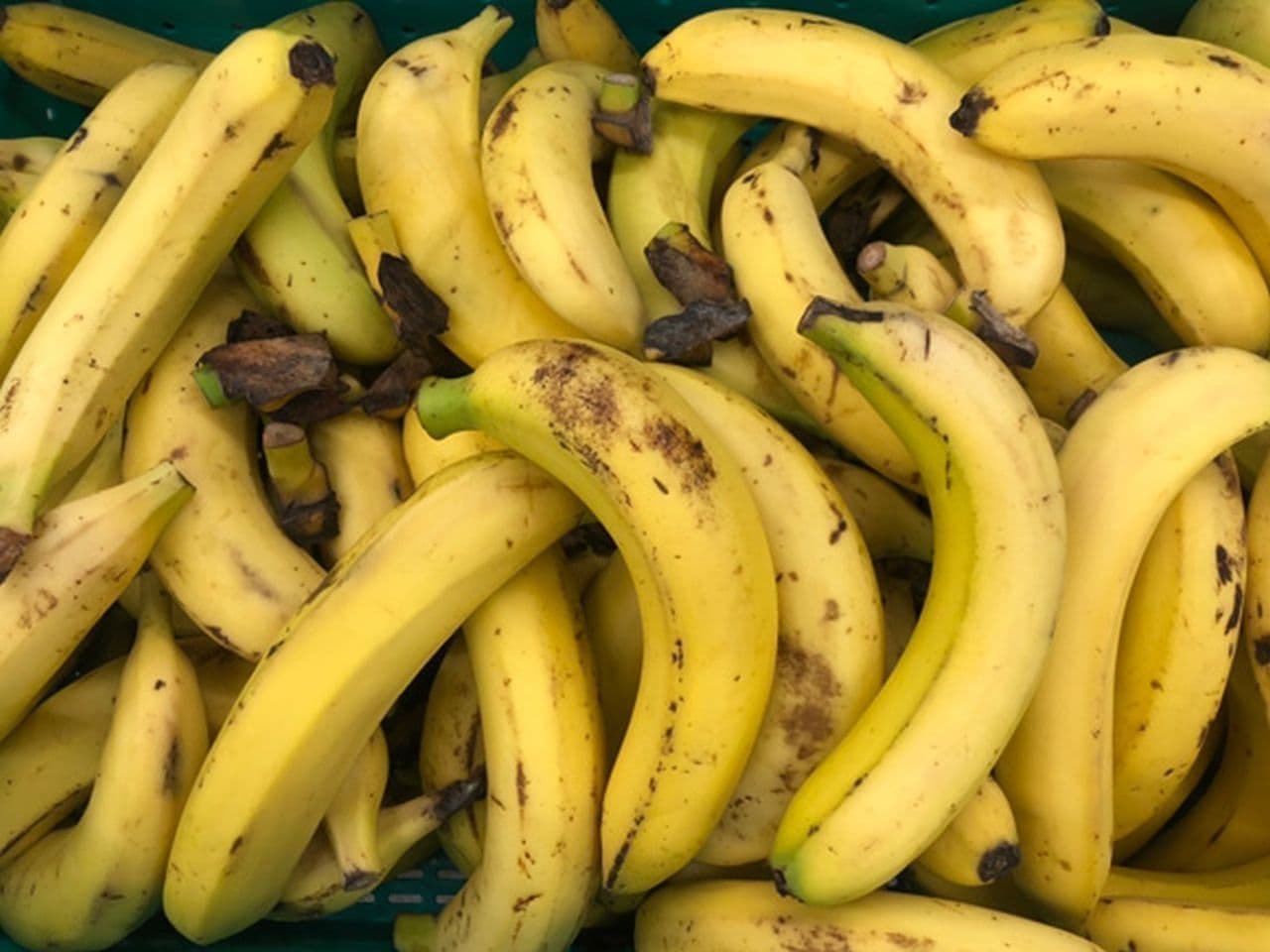
Regulatory wins open doors for commercial sales, imports, and local cultivation
In a development poised to reshape the future of global fruit commerce and agricultural sustainability, Tropic has secured landmark regulatory approvals in Japan and Brazil for cultivation, importation, sale, and consumption of what the company heralds as the world’s first commercially available non-browning banana — a scientific breakthrough designed to dramatically reduce food waste while preserving the beloved fruit’s familiar taste, texture, and visual appeal.
The achievement marks a moment of rare consequence within the banana industry, where commercial varieties have remained remarkably unchanged for generations. Tropic’s pioneering innovation emerges as the first significant new banana variety introduced to global markets in more than three-quarters of a century — a bold convergence of biotechnology, consumer convenience, and sustainability-driven agriculture.
At the heart of the innovation lies a deceptively simple yet transformative attribute: once peeled or sliced, the banana remains bright, golden, and visually fresh for extended periods, resisting the rapid browning that has long contributed to spoilage across retail shelves, food-service operations, households, and international supply chains.
By preserving freshness far beyond conventional limitations, the fruit opens new commercial possibilities across supermarkets, hospitality sectors, packaged fresh-cut produce markets, and long-distance distribution networks — while simultaneously reducing the environmental burden associated with discarded food.
For Japan, a nation internationally renowned for its exacting standards surrounding freshness, quality, and presentation, the approval represents a strategic alignment between technological innovation and consumer expectations. Tropic’s non-browning banana is expected to resonate strongly within a market where aesthetic perfection and sustainability increasingly coexist as complementary priorities.
Brazil, meanwhile, occupies an even more profound strategic position within the global banana ecosystem. As one of the world’s largest producers and consumers of bananas — responsible for approximately ten percent of global production — the nation’s endorsement signals substantial confidence in the commercial and agricultural viability of genetically enhanced fruit varieties.
Tropic emphasized that the approvals not only broaden consumer access but also provide growers with a premium-value crop capable of reducing post-harvest losses, enhancing distribution efficiency, and diversifying domestic banana offerings in an increasingly competitive agricultural landscape.
“These approvals represent a major step forward in bringing innovative, waste-reducing produce to consumers worldwide,” declared Chief Executive Officer Gilad Gershon, describing Japan and Brazil as pivotal pillars within the architecture of the international fruit economy.
The regulatory victories arrive amid mounting global concern surrounding food waste, agricultural resilience, and supply chain sustainability. Bananas — revered as the world’s most consumed fruit and the planet’s fourth most important crop — occupy a uniquely critical role within global food security systems, feeding hundreds of millions while supporting vast agricultural economies across tropical regions.
Tropic’s ambitions extend well beyond cosmetic preservation alone.
The company has additionally launched an extended shelf-life banana capable of maintaining its green ripening phase for an additional twelve days, a breakthrough expected to increase export flexibility, unlock new maritime shipping routes, and reduce transportation waste by as much as fifty percent.
Even more consequentially, Tropic revealed plans to introduce a Panama Disease (TR4) resistant banana variety next year — an innovation carrying profound implications for the future stability of the global banana trade. The rapidly spreading fungal disease has already affected more than twenty countries and threatens an industry valued at approximately $25 billion.
Against the backdrop of climate volatility, evolving consumer expectations, and escalating food security concerns, Tropic’s expanding biotechnology portfolio reflects a broader transformation underway within modern agriculture — one where scientific precision and sustainability increasingly define the future of global food production.
As these luminous yellow fruits journey from laboratory innovation to supermarket shelves across continents, Tropic’s approvals in Japan and Brazil stand not merely as regulatory milestones, but as symbols of a changing agricultural epoch — one in which the fruits of science seek to nourish both humanity and the planet with greater efficiency, resilience, and elegance than ever before.
