
Plan aims to connect national databases, streamline public services, and enhance administrative efficiency through 2035
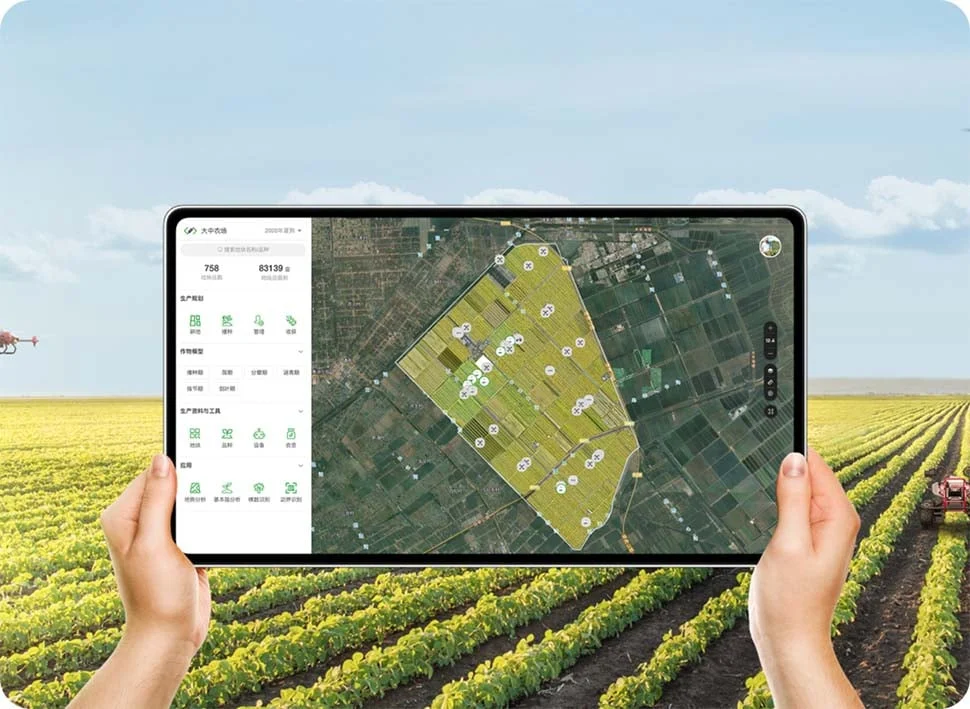
The Ministry of Agriculture and Environment (MAE) has unveiled a comprehensive plan to develop a holistic, integrated digital data model for the agriculture and environment sector, marking a significant step forward in Viet Nam’s broader national digital transformation agenda for the 2026–2035 period.
The initiative is formalized under Decision No. 1902/QD-BNNMT, which implements the Prime Minister’s Decision No. 826/QD-TTg on the national program for developing population data applications, electronic identification, and authentication to support digital transformation through 2030, with a vision toward 2035.
At the core of the plan is the creation of a synchronized and interoperable digital ecosystem that connects sectoral databases with the National Population Database, the National Data Center, and other specialized systems. The framework aims to enhance data connectivity, sharing, and application across agencies, supporting more efficient state management, administrative reform, and the expansion of online public services.
The MAE emphasized that the program is designed to strengthen transparency, improve governance efficiency, and modernize public administration while ensuring greater convenience and accessibility for citizens and businesses engaging with government services.
Under the roadmap, by 2030 the ministry targets the completion of key national and sectoral databases, fully integrated with centralized digital infrastructure. Specific milestones include expanding the use of standardized data fields, reducing administrative documentation requirements, and enabling real-time status tracking and synchronized processing results through the VNeID platform.
The plan also sets ambitious digital service targets, including up to 90 per cent of public service applications submitted online, 80% online payment adoption, and 95 per cent user satisfaction in public service delivery. In parallel, all public administrative procedures will be designed to operate across administrative boundaries, while ensuring universal digital skills training for government personnel.
In the shorter term, by 2028 the sector aims to complete the standardization and integration of specialized databases, gradually forming a unified digital data platform for agriculture and the environment. This effort will be supported by the deployment of advanced technologies such as artificial intelligence, Big Data analytics, cloud computing, Internet of Things (IoT), and blockchain solutions.
The ministry further underscored that future systems will adhere to principles of being “accurate, sufficient, clean, live, unified, and shared,” ensuring data integrity while enabling real-time operational decision-making and policy execution.
A central feature of the reform is its people-centric approach, positioning citizens and enterprises as the primary beneficiaries of digital transformation. Administrative processes will be restructured toward fully digital, end-to-end workflows, minimizing repetitive documentation and leveraging existing data within national databases.
The upgraded administrative system will be integrated with the National Public Service Portal, sectoral databases, and the VNeID application, creating a seamless digital interface between the government and the public.
To safeguard the system, the ministry will implement continuous cybersecurity monitoring and strengthen data protection mechanisms, including safeguards for personal data and state secrets.
Looking ahead to 2035, the MAE envisions a fully modernized digital agriculture and environment sector in which governance, public services, and stakeholder interactions are conducted primarily in a secure, intelligent, and interconnected digital environment, reflecting a long-term shift toward data-driven national development.
